Introduction
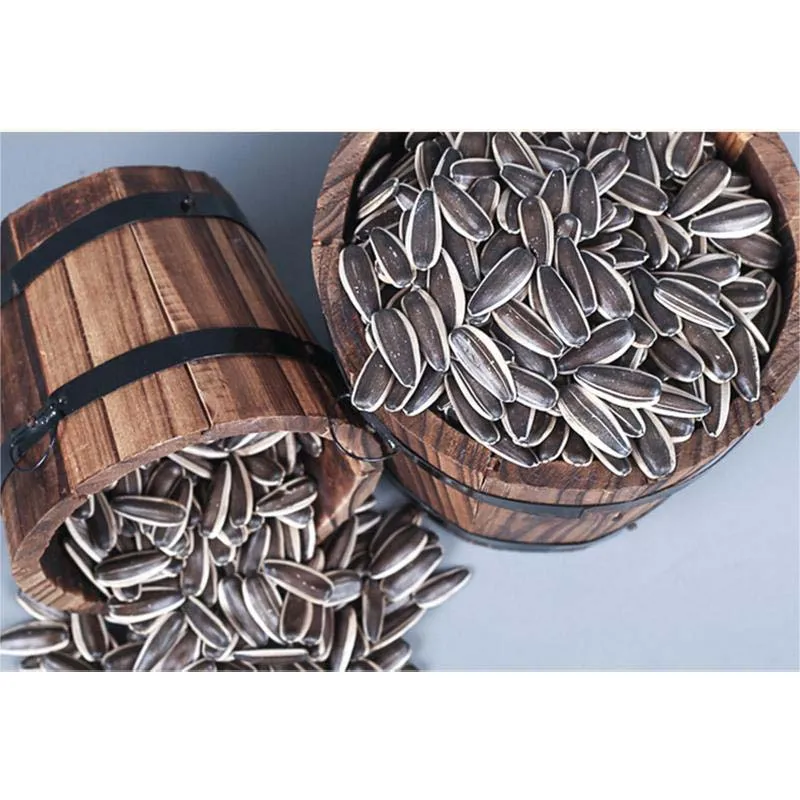
Sunflower oil, a vegetable oil extracted from sunflower seeds, occupies a significant position in the global edible oil market. For exporters, understanding its technical properties and quality parameters is paramount. This guide details the nuances of sunflower oil production, quality control, potential degradation pathways, and relevant industry standards, specifically tailored to the needs of B2B suppliers serving international markets. Sunflower oil’s appeal stems from its relatively neutral flavor profile, high smoke point, and perceived health benefits, particularly its linoleic acid content. This makes it suitable for a broad range of applications, including culinary uses, margarine production, and increasingly, as a feedstock for biodiesel. The export market is particularly sensitive to oil quality parameters relating to acidity, peroxide value, and the presence of contaminants. Maintaining consistent quality adhering to international regulations is the key to successful, long-term exporting.
Material Science & Manufacturing
Sunflower oil is primarily composed of triglycerides – esters of glycerol and fatty acids. The fatty acid profile dictates the oil’s characteristics. High-oleic sunflower oil, containing over 80% oleic acid, offers superior oxidative stability compared to linoleic sunflower oil (around 60% linoleic acid). Raw sunflower seeds contain approximately 40-55% oil. The primary extraction method is mechanical pressing, often followed by solvent extraction (typically using hexane) to maximize oil yield. Pre-treatment of seeds – cleaning, dehulling, and conditioning – significantly impacts oil quality and yield. Seed quality, particularly moisture content (optimally 9-12%), is critical. During extraction, temperature control is vital to prevent thermal degradation of the oil and the formation of undesirable compounds. Degumming removes phospholipids, gums, and proteins. Neutralization utilizes alkali to remove free fatty acids, reducing acidity. Bleaching, commonly employing activated clay, removes pigments and impurities. Deodorization, performed under vacuum and high temperature, removes volatile compounds responsible for undesirable odors and flavors. Each step requires precise parameter control – temperature, pressure, residence time, and reagent concentration – to achieve the desired oil characteristics. The final filtration stage removes any remaining particulate matter ensuring clarity and stability.
Performance & Engineering
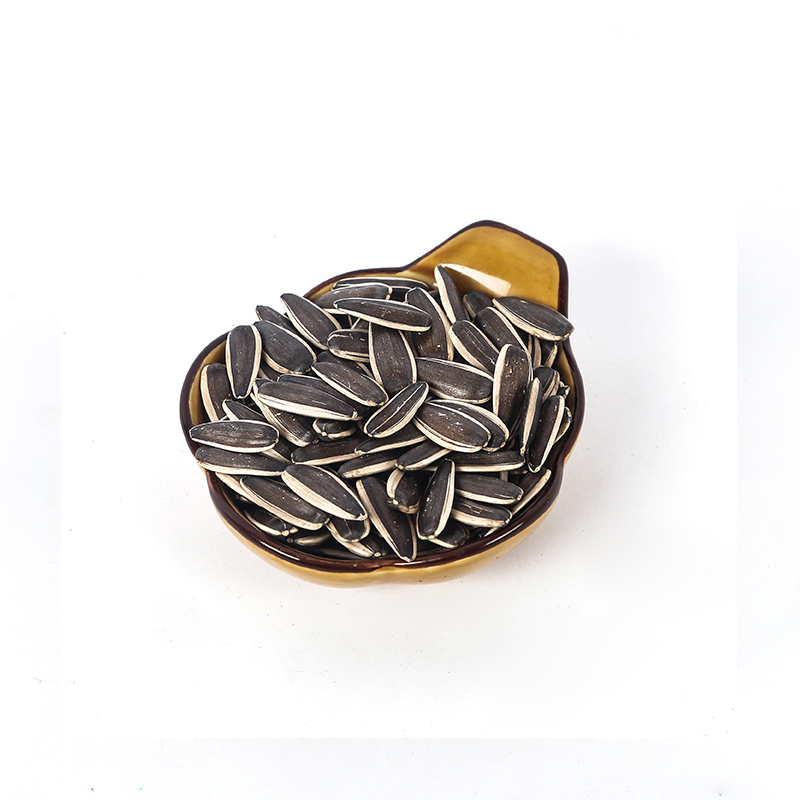
The performance of sunflower oil hinges on its stability against oxidation, its viscosity profile at varying temperatures, and its color and clarity. Oxidative stability, a key concern for exporters, is influenced by the fatty acid composition and the presence of natural antioxidants like vitamin E. The rate of oxidation is quantified by the peroxide value (PV) and the Anisidine value (AV), both critical quality control parameters. The oil’s viscosity impacts its flow characteristics during processing and packaging. A higher viscosity at low temperatures can create challenges in pumping and filling operations. Color is assessed using Lovibond tintometers, with lighter-colored oils generally preferred. Clarity is evaluated visually and by measuring the turbidity. Engineering considerations during storage and transportation include selecting appropriate tank materials (typically stainless steel to prevent contamination) and ensuring inert gas blanketing (nitrogen) to minimize oxygen exposure. Temperature control during storage is also crucial; elevated temperatures accelerate oxidation. Packaging materials must provide a robust barrier against light, oxygen, and moisture to maintain oil quality throughout the supply chain. Material compatibility of seals and gaskets with sunflower oil must also be validated to prevent leaching of undesirable compounds.
Technical Specifications
| Parameter | Unit | High-Oleic Sunflower Oil | Linoleic Sunflower Oil |
|---|---|---|---|
| Oleic Acid Content | % | ≥80 | ≤30 |
| Linoleic Acid Content | % | ≤10 | ≥50 |
| Acid Value | mg KOH/g | ≤0.3 | ≤0.5 |
| Peroxide Value | meq O2/kg | ≤1.0 | ≤3.0 |
| Anisidine Value | - | ≤20 | ≤30 |
| Moisture Content | ppm | ≤50 | ≤50 |
| Color (Lovibond) | Red/Yellow | ≤1.5/≤30 | ≤2.5/≤40 |
Failure Mode & Maintenance
Sunflower oil is susceptible to several degradation pathways. Rancidity, resulting from lipid oxidation, is the most common failure mode, producing off-flavors and reducing oil quality. This is exacerbated by exposure to oxygen, light, heat, and metal ions. Hydrolytic rancidity, caused by enzymatic or chemical hydrolysis of triglycerides, leads to the release of free fatty acids, increasing acidity and negatively impacting flavor. Polymerization, occurring at high temperatures, increases viscosity and darkens the oil. Sediment formation, resulting from insoluble compounds, can occur during storage. Proper maintenance of storage tanks and processing equipment is crucial. Regular cleaning prevents the buildup of residue and microbial contamination. Nitrogen blanketing minimizes oxygen exposure. Monitoring peroxide value, acid value, and color provides early indication of degradation. Implementing a First-In, First-Out (FIFO) inventory management system minimizes storage time. Quality control testing at each stage of the production and export process is paramount. Packaging should include UV protection and materials with low oxygen permeability. Traceability systems should be implemented to track oil batches throughout the supply chain, enabling rapid identification and recall of potentially compromised products.
Industry FAQ
Q: What are the key differences between high-oleic and linoleic sunflower oil in terms of shelf life and application suitability?
A: High-oleic sunflower oil boasts significantly superior oxidative stability due to its higher oleic acid content. This translates to a longer shelf life and makes it ideal for high-heat cooking applications like frying where oxidation is accelerated. Linoleic sunflower oil, with its higher linoleic acid content, is more prone to oxidation and is better suited for applications where oxidative stability is less critical, such as salad dressings or low-temperature baking.
Q: How do storage conditions affect the quality of sunflower oil during export?
A: Storage conditions are critically important. Sunflower oil should be stored in stainless steel tanks under a nitrogen blanket to minimize oxygen exposure. The storage temperature should be maintained below 25°C (77°F) to slow down oxidation rates. Direct sunlight and exposure to other sources of heat should be avoided. Regular monitoring of peroxide value, acid value, and color is essential to detect any signs of degradation.
Q: What is the significance of the peroxide value (PV) and how is it measured?
A: The peroxide value (PV) is a primary indicator of oxidative rancidity. It measures the concentration of peroxides, which are primary oxidation products. A higher PV indicates a greater degree of oxidation and lower oil quality. PV is typically measured by iodometric titration, involving a reaction between peroxides and iodide ions, followed by titration with sodium thiosulfate.
Q: What packaging materials are recommended for exporting sunflower oil to maintain its quality?
A: Packaging should provide a robust barrier against light, oxygen, and moisture. High-density polyethylene (HDPE) containers or steel drums with internal coatings are commonly used. The packaging material should be food-grade and certified for contact with edible oils. Inert gas flushing before sealing further reduces oxygen exposure. Multi-layer packaging incorporating UV protection is also beneficial.
Q: What regulatory standards must sunflower oil exporters comply with to ensure market access in key international regions?
A: Exporters must comply with the regulations of the importing country. Key standards include those set by the Codex Alimentarius Commission, as well as regional regulations like those of the European Union (Regulation (EC) No 1881/2006 for contaminants), the FDA in the United States, and national standards in countries like Japan and China. Certifications like ISO 9001 (Quality Management) and FSSC 22000 (Food Safety System Certification) can demonstrate a commitment to quality and food safety.
Conclusion
Sunflower oil export necessitates a deep understanding of its chemical composition, manufacturing processes, and potential degradation mechanisms. Maintaining consistent quality, adhering to stringent international standards, and implementing robust quality control measures are critical for success. The choice between high-oleic and linoleic varieties dictates optimal applications and requires careful consideration of market demands.
Proactive management of storage conditions, appropriate packaging selection, and meticulous monitoring of key quality parameters – acid value, peroxide value, and color – are essential to preserve oil quality throughout the supply chain. Investing in advanced analytical capabilities and staying abreast of evolving regulatory requirements will position exporters for long-term viability in the competitive global market.
