Introduction
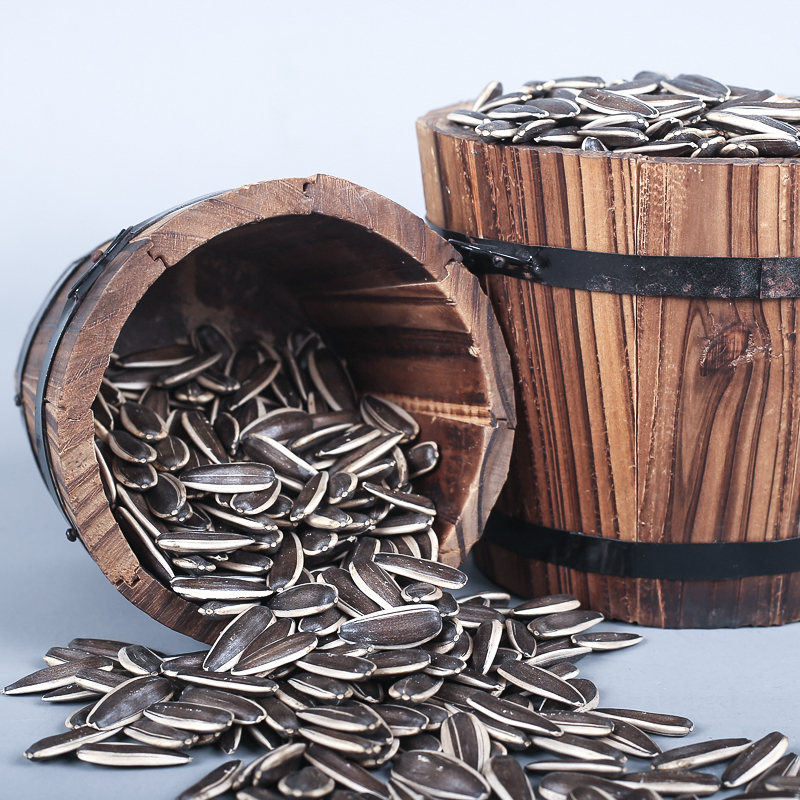
Sunflower kernels, the edible seeds of the Helianthus annuus plant, represent a significant commodity within the global food and oilseed market. This technical guide details the science and engineering aspects of sunflower kernel production, focusing on factors influencing quality, stability, and suitability for various industrial applications. As a foundational component in confectionary products, edible oils, and animal feed, understanding the inherent properties and potential degradation pathways of sunflower kernels is critical for procurement professionals and processing engineers. The kernels are categorized by size, oil content, and hulling percentage, influencing their market value and processing requirements. Current industry demand stems from a growing consumer preference for healthy fats and plant-based protein sources, driving a need for consistent, high-quality kernel supply. The ‘good for you’ designation emphasizes the rising emphasis on nutritional profiles – specifically linoleic acid content, vitamin E, and fiber – demanding careful control throughout the supply chain.
Material Science & Manufacturing
Sunflower kernel composition is fundamentally governed by its biological origin. The primary constituents are lipids (35-55%), proteins (18-25%), carbohydrates (15-20%), and fiber (5-10%), with trace amounts of vitamins and minerals. The lipid fraction consists predominantly of triglycerides, with linoleic acid (a polyunsaturated omega-6 fatty acid) typically constituting 60-70% of the total fatty acid profile. Protein composition involves globulins, albumins, and glutelins, impacting the kernel’s nutritional value and susceptibility to enzymatic degradation. The carbohydrate component is primarily starch.
Manufacturing begins with harvesting, followed by drying to a moisture content of 8-10% to prevent fungal growth and auto-oxidation. De-heading and shelling are critical stages, utilizing mechanical impact and friction. Hulling efficiency, the percentage of kernels separated from hulls, directly impacts yield and processing costs. Modern shelling machines employ adjustable impact forces and air separation systems. Following hulling, kernels undergo cleaning to remove foreign materials and broken pieces. Sorting by size and density is performed using screens and gravity separators. For oil production, kernels are typically heated and crushed to rupture the oil bodies, followed by solvent extraction (usually hexane) to maximize oil yield. Confectionary kernels are often treated with a light coating of salt or flavoring. Quality control at each stage, including moisture analysis, oil content determination (using Soxhlet extraction or NIR spectroscopy), and visual inspection, are essential to meeting industry standards. Control of temperature during drying and heating stages is crucial to mitigate lipid oxidation and preserve vitamin E content.
Performance & Engineering
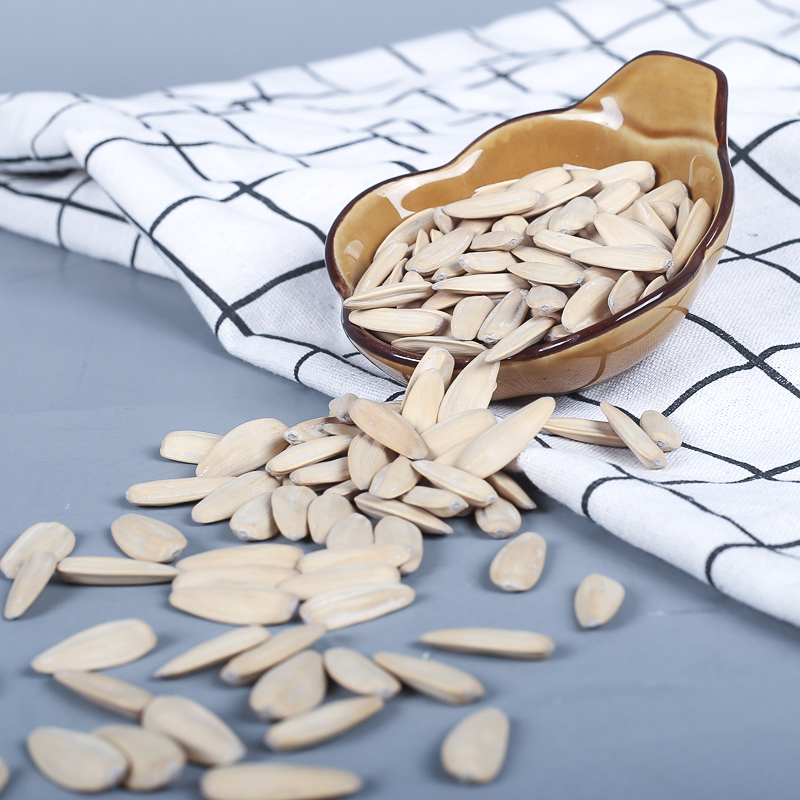
The performance of sunflower kernels in various applications is fundamentally tied to their physical and chemical properties. In confectionary applications, kernel hardness, measured by force required for fracture, influences mouthfeel and processing characteristics. Oil absorption capacity, relevant for snack food production, dictates the potential for flavor carryover and textural changes. The shear strength of the kernel directly correlates to its ability to withstand handling during processing and packaging.
Environmental resistance is primarily related to lipid stability. Exposure to oxygen, light, and elevated temperatures accelerates lipid oxidation, leading to rancidity and the formation of undesirable volatile compounds. Packaging materials with low oxygen permeability and UV protection are critical for preserving kernel quality during storage and transport. Moisture ingress promotes fungal growth and aflatoxin contamination. The water activity (aw) of the kernels should be maintained below 0.6 to inhibit microbial proliferation. Compliance requirements vary by region, with regulations governing permissible levels of aflatoxins, pesticide residues, and heavy metals. Specifically, the European Food Safety Authority (EFSA) sets strict limits for acrylamide formation during roasting. Maintaining consistent kernel quality necessitates adherence to Good Manufacturing Practices (GMP) and Hazard Analysis and Critical Control Points (HACCP) principles. Force analysis during shelling operations focuses on optimizing impact energy to minimize kernel damage while maximizing hull removal efficiency.
Technical Specifications
| Parameter | Unit | Typical Value (Confectionary Grade) | Typical Value (Oil Production Grade) |
|---|---|---|---|
| Oil Content (Dry Basis) | % | 48-52 | 42-48 |
| Protein Content (Dry Basis) | % | 20-24 | 18-22 |
| Moisture Content | % | 7-9 | 8-10 |
| Kernel Hardness (Fracture Force) | N | 80-120 | 60-90 |
| Linoleic Acid Content (of Total Fat) | % | 65-75 | 60-70 |
| Aflatoxin B1 (Maximum Permissible Level) | ppb | <2 | <5 |
Failure Mode & Maintenance
Sunflower kernels are susceptible to several failure modes impacting their quality and usability. Lipid oxidation, induced by exposure to oxygen, light, and heat, leads to rancidity, off-flavors, and the degradation of vitamin E. This is often identified by an increase in peroxide value and a decrease in vitamin E concentration. Moisture absorption promotes the growth of fungi, particularly Aspergillus species, resulting in aflatoxin contamination – a severe health hazard. Mechanical damage during harvesting, shelling, or handling causes kernel breakage and increases surface area for oxidation. Fatigue cracking can occur during prolonged storage due to repeated temperature fluctuations. Delamination, or separation of the kernel’s internal structures, reduces its structural integrity.
Maintenance strategies focus on preventing these failures. Proper drying to reduce moisture content is paramount. Storage in airtight containers under cool, dark conditions minimizes oxidation and fungal growth. Implementing a robust pest control program prevents insect damage. Regular monitoring for aflatoxin contamination is essential. Gentle handling during processing minimizes mechanical damage. Packaging with oxygen barriers and UV protection extends shelf life. For oil production facilities, regular cleaning and maintenance of crushing and extraction equipment prevent contamination and ensure optimal performance. Implementing a first-in, first-out (FIFO) inventory management system minimizes storage duration and reduces the risk of degradation.
Industry FAQ
Q: What is the primary factor affecting the shelf life of sunflower kernels?
A: The primary factor is lipid oxidation. Exposure to oxygen, light, and elevated temperatures accelerates rancidity. Proper packaging with oxygen barriers and UV protection, combined with storage in cool, dark conditions, are crucial for maximizing shelf life.
Q: How are aflatoxin levels controlled during sunflower kernel production?
A: Control starts with proper pre-harvest management to minimize fungal infection in the field. Thorough drying of kernels post-harvest reduces moisture content, inhibiting fungal growth. Regular sampling and testing for aflatoxin B1 throughout the production process, utilizing techniques like ELISA, are essential. Strict adherence to GMP and HACCP principles ensures that contaminated batches are identified and removed.
Q: What is the significance of the hulling percentage?
A: Hulling percentage directly impacts yield and processing efficiency. A higher hulling percentage means less waste and more kernels available for sale or oil extraction. It also affects the cost of processing, as incomplete hulling requires additional cleaning and sorting.
Q: How does kernel hardness affect its suitability for different applications?
A: Higher kernel hardness is generally preferred for confectionary applications as it provides a more satisfying crunch and withstands handling better. Lower hardness is acceptable for oil production, where the primary goal is efficient oil extraction.
Q: What role does packaging play in maintaining sunflower kernel quality?
A: Packaging is critical for protecting kernels from environmental factors. Oxygen barriers prevent lipid oxidation, UV protection minimizes vitamin E degradation, and moisture barriers inhibit fungal growth. The packaging material must also be food-grade and prevent contamination.
Conclusion
Sunflower kernel quality is a multifaceted characteristic determined by genetics, agronomic practices, and post-harvest processing techniques. Understanding the underlying material science – specifically the composition and stability of lipids, proteins, and carbohydrates – is essential for optimizing production processes and ensuring product integrity. The increasing demand for ‘good for you’ kernels necessitates a rigorous focus on nutritional parameters and stringent quality control measures to mitigate risks associated with aflatoxin contamination and lipid oxidation.
Future trends will likely focus on developing sunflower varieties with enhanced oil profiles (e.g., high oleic acid content) and improved resistance to fungal diseases. Advancements in packaging technology, such as active packaging incorporating oxygen scavengers and antimicrobial agents, will further extend shelf life and preserve kernel quality. Continued research into non-destructive quality assessment methods, utilizing spectroscopic techniques, will enable real-time monitoring and optimization of processing parameters.
