Introduction
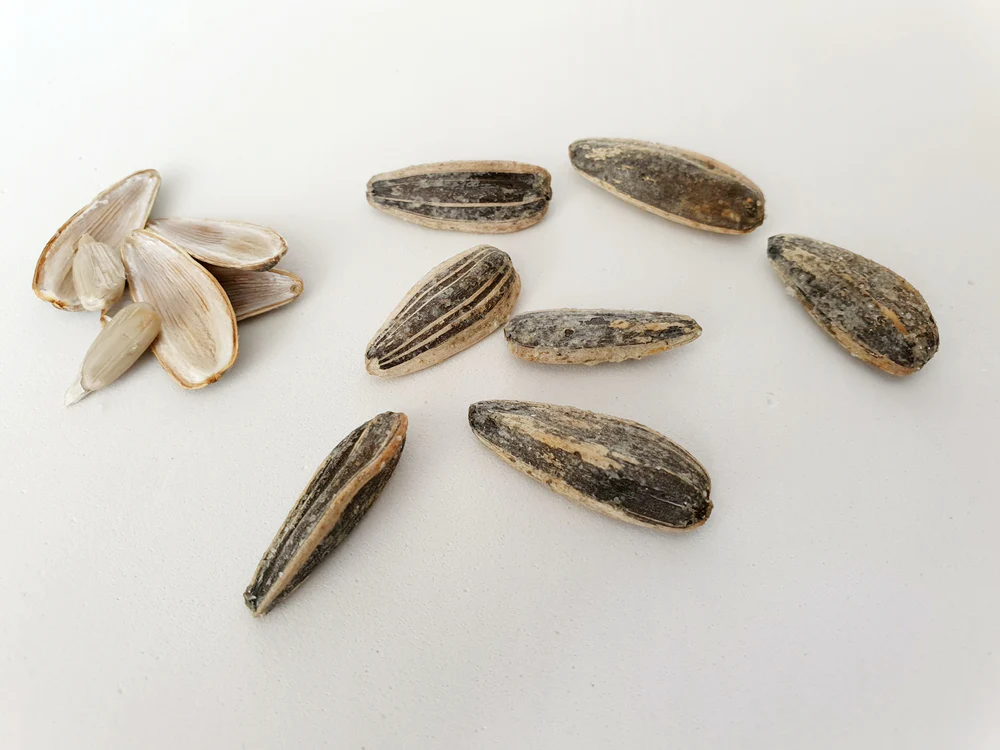
Sunflower kernels, specifically those processed for direct consumption (“good for you products”), represent a significant segment within the broader oilseed industry. These kernels are the de-hulled seeds of the sunflower ( Helianthus annuus), valued for their nutritional profile and versatile applications. Technically, they occupy a mid-tier position in the human food chain, positioned between raw agricultural commodities and finalized snack foods or ingredient components. Their core performance metrics center around oil content, protein levels, fatty acid composition (oleic vs. linoleic acid ratios), and the absence of deleterious compounds. The industry is driven by consumer demand for healthy snacks, plant-based protein sources, and functional food ingredients. Current challenges revolve around maintaining consistent kernel quality, mitigating acrylamide formation during roasting, and addressing potential allergen concerns. This guide provides a detailed technical overview of sunflower kernel production, properties, performance characteristics, and potential failure modes.
Material Science & Manufacturing
Sunflower kernels consist primarily of lipids (35-50% by weight), protein (20-25%), carbohydrates (10-15%), and fiber (5-10%). The lipid fraction is dominated by triglycerides, with varying proportions of saturated, monounsaturated (primarily oleic acid), and polyunsaturated (primarily linoleic acid) fatty acids. Protein composition includes globulins, albumins, and glutelins. Raw material selection is critical; hybrid sunflower varieties are bred for specific kernel traits (oil content, fatty acid profile, hullability). Manufacturing begins with harvesting mature sunflower heads. Initial processing involves de-heading and drying to reduce moisture content to approximately 9-10% to prevent mold growth and facilitate hull removal. Hulling is typically achieved mechanically using impact or friction methods; minimizing kernel damage during hulling is crucial. Subsequent processing involves kernel sorting (removing foreign matter and broken kernels), sizing, and often surface treatment (e.g., coating with salt or seasonings). Roasting, a common final step, enhances flavor and texture but also presents challenges related to acrylamide formation. Roasting parameters (temperature, time, airflow) are carefully controlled to optimize flavor development while minimizing undesirable byproduct formation. Moisture content monitoring throughout the process is paramount, impacting hulling efficiency, kernel quality, and storage stability.
Performance & Engineering
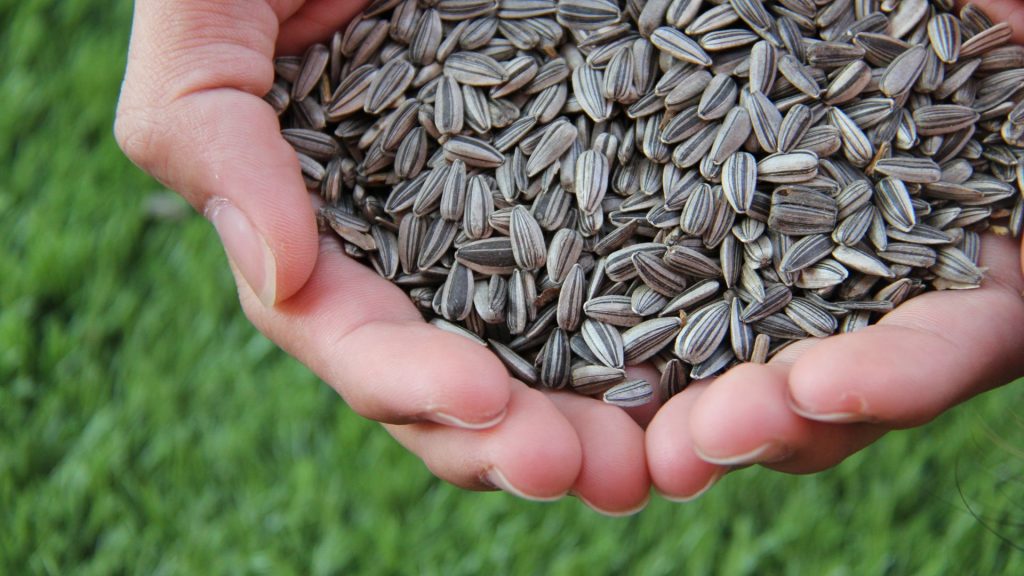
The performance of sunflower kernels in application is dictated by their physical and chemical properties. Shear force analysis is used to determine the texture profile (hardness, crunchiness) – critical for snack food applications. Oil extraction efficiency is a key metric for kernels destined for oil production. Moisture content is a critical engineering parameter, impacting flowability during processing and storage stability. Kernels are susceptible to oxidative degradation, leading to rancidity. Antioxidants (Vitamin E, phenolic compounds) naturally present in sunflower kernels provide some protection, but packaging and storage conditions (temperature, light exposure, oxygen levels) significantly influence shelf life. Compliance requirements vary by region but generally include limits on aflatoxin contamination (regulated by organizations like the FDA and EFSA), heavy metal content, and pesticide residues. The kernels’ fragility requires careful handling during processing to minimize breakage, which impacts yield and product appearance. Force analysis during hulling operations is used to optimize machine parameters and minimize kernel damage. Furthermore, packaging material selection must consider barrier properties to oxygen and moisture to maintain product quality and prevent oxidative degradation.
Technical Specifications
| Parameter | Unit | Typical Value (Range) | Test Method |
|---|---|---|---|
| Oil Content (Dry Basis) | % | 42-58 | Soxhlet Extraction (AOCS Official Method) |
| Protein Content (Dry Basis) | % | 18-26 | Kjeldahl Method (AOCS Official Method) |
| Moisture Content | % | 5-8 | Oven Drying Method (AACC Method) |
| Oleic Acid Content | % of Total Fatty Acids | 15-80 (High Oleic Varieties) | Gas Chromatography (AOCS Official Method) |
| Linoleic Acid Content | % of Total Fatty Acids | 30-65 | Gas Chromatography (AOCS Official Method) |
| Kernel Size (Average Diameter) | mm | 8-12 | Sieve Analysis |
Failure Mode & Maintenance
Sunflower kernels are susceptible to several failure modes. Rancidity: Caused by lipid oxidation, resulting in off-flavors and odors. Prevention involves proper storage (cool, dark, dry conditions, inert gas packaging) and antioxidant addition. Acrylamide Formation: Occurs during high-temperature roasting. Mitigation strategies include controlling roasting parameters (temperature, time) and reducing reducing sugar content. Kernel Fracture: Mechanical damage during processing (hulling, sorting, handling) leads to yield loss and aesthetic defects. Improved equipment design and gentle handling procedures are essential. Aflatoxin Contamination: A serious food safety concern caused by fungal growth. Proper drying, storage, and sourcing from reputable suppliers are crucial. Insect Infestation: Can lead to product spoilage and contamination. Effective pest control measures are necessary. Hulling Damage: Incomplete hull removal or kernel damage during hulling compromises product quality and processing efficiency. Maintaining huller settings and optimizing drying conditions are critical. Regular inspection of processing equipment, adherence to strict hygiene protocols, and implementation of robust quality control procedures are essential for maintaining product integrity and preventing failures. Storage facilities should be monitored for temperature, humidity, and pest activity.
Industry FAQ
Q: What are the key differences between conventional and high-oleic sunflower kernels, and how do these differences impact their applications?
A: Conventional sunflower kernels contain a mixture of linoleic and oleic acids, typically with a linoleic acid content of around 60-70%. High-oleic varieties are bred to have significantly higher oleic acid content (often exceeding 70-80%), resulting in improved oxidative stability and a longer shelf life. High-oleic kernels are preferred for applications requiring heat stability, such as frying oils, and for snack foods where rancidity is a concern. Conventional kernels are still used in applications where a specific fatty acid profile is desired, or where cost is a primary consideration.
Q: How is aflatoxin contamination controlled in sunflower kernel production?
A: Aflatoxin contamination is a major food safety concern. Control measures begin with sourcing kernels from regions with low aflatoxin risk. Proper drying of sunflower heads in the field is crucial to prevent fungal growth. During processing, rigorous cleaning and sorting remove any visibly moldy kernels. Regular testing for aflatoxin levels using ELISA or HPLC methods is performed throughout the production process. Kernels exceeding regulatory limits are rejected.
Q: What impact does the roasting process have on the nutritional profile of sunflower kernels, specifically regarding acrylamide formation?
A: Roasting enhances the flavor and texture of sunflower kernels, but it can also lead to the formation of acrylamide, a potentially harmful compound. Acrylamide formation is influenced by roasting temperature, time, and moisture content. Lower roasting temperatures and shorter roasting times minimize acrylamide formation. Optimizing the moisture content of kernels before roasting can also help to reduce acrylamide levels.
Q: What are the critical considerations for packaging sunflower kernels to maintain their quality and extend shelf life?
A: Packaging plays a vital role in preserving sunflower kernel quality. The packaging material should provide a barrier to oxygen, moisture, and light. Flexible packaging materials with a metalized layer or foil are often used. Flushing the package with an inert gas (nitrogen or argon) can further reduce oxygen levels. Appropriate sealing techniques are essential to maintain the integrity of the barrier. The packaging material should also be food-grade and compliant with relevant regulations.
Q: How does kernel size and uniformity impact the efficiency of downstream processing operations, such as coating and packaging?
A: Kernel size and uniformity significantly impact processing efficiency. Consistent kernel size promotes uniform coating adhesion and reduces dusting during seasoning application. It also facilitates accurate weight filling during packaging operations. Sizing and sorting are critical steps in the process to remove broken kernels and ensure a consistent size distribution. Larger variations in kernel size can lead to uneven coating, inaccurate weighing, and increased waste.
Conclusion
Sunflower kernels, as “good for you products,” represent a complex interplay of agricultural science, food processing engineering, and quality control. Maintaining consistent kernel quality—from raw material selection to final packaging—requires meticulous attention to detail and a thorough understanding of the underlying physical and chemical properties. Addressing challenges related to oxidative stability, acrylamide formation, and aflatoxin contamination necessitates the implementation of robust preventative measures and adherence to stringent industry standards.
Future trends in sunflower kernel processing will likely focus on optimizing roasting techniques to minimize acrylamide, developing new packaging materials with improved barrier properties, and employing advanced sorting technologies to enhance kernel purity and uniformity. Continued research into sunflower breeding programs to develop varieties with enhanced nutritional profiles and improved processing characteristics will further contribute to the growth and sustainability of this important food commodity.
