Introduction
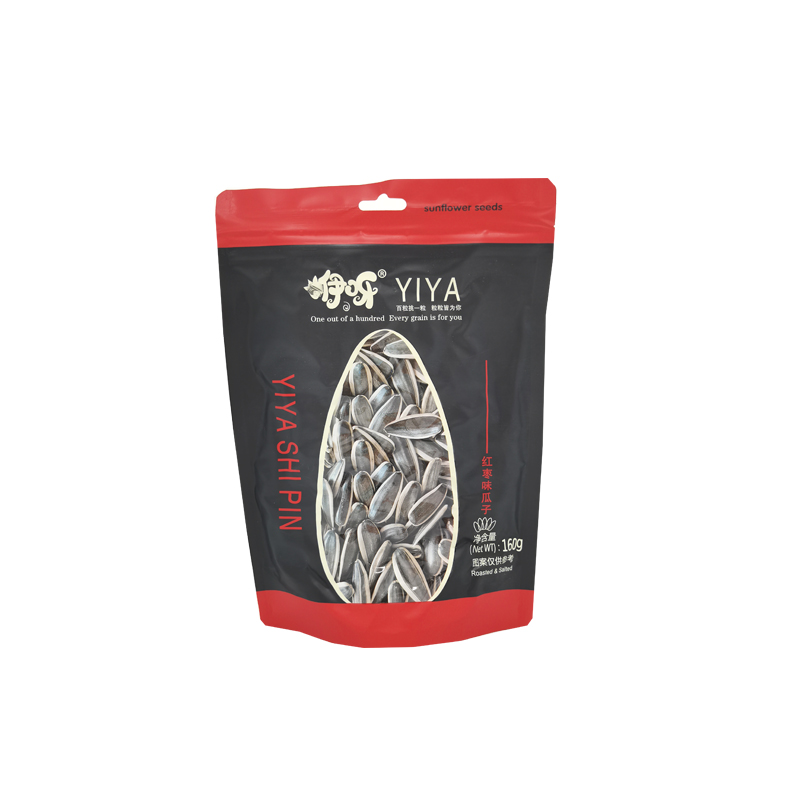
Sunflower kernels, the edible seeds of the Helianthus annuus plant, represent a significant commodity within the global food and oilseed industries. Positioned between primary agricultural production and downstream processing (oil extraction, confectionary applications, and animal feed), their value chain relies heavily on consistent quality, efficient processing, and optimized storage. These kernels are characterized by a high oil content (typically 40-58%), significant protein levels (20-25%), and a desirable fatty acid profile, making them valuable for both nutritional and industrial applications. Core performance metrics revolve around oil yield, kernel size/weight ratio, protein content, moisture content, and the absence of aflatoxins and other contaminants. This guide details the material science, manufacturing processes, performance characteristics, potential failure modes, and relevant industry standards associated with sunflower kernels intended for human consumption.
Material Science & Manufacturing
The primary constituent of sunflower kernels is the seed coat (pericarp), embryo, and endosperm, each with distinct biochemical compositions. The pericarp, approximately 8-12% of the kernel weight, provides structural integrity and is composed primarily of cellulose, hemicellulose, and lignin. The embryo (5-7%) contains essential proteins and lipids vital for germination. The endosperm (75-85%) is the main storage organ for oil and protein. Sunflower oil is rich in linoleic acid (an omega-6 fatty acid) and oleic acid (an omega-9 fatty acid), influencing its stability and nutritional value.
Manufacturing begins with harvesting when kernel moisture content reaches approximately 9-12%. Mechanical harvesting utilizes combine harvesters equipped with specialized heads to separate the seed heads from the stalks. Post-harvest processing is critical and involves cleaning (removal of chaff, stems, and leaves), drying (reducing moisture content to 7-8% for safe storage – typically using forced-air dryers), dehulling (removing the outer husk), and sizing/grading. Dehulling is often accomplished using impact dehullers or centrifugal dehullers. Precise control of drying temperature (below 60°C to prevent protein denaturation and oil oxidation) and dehulling pressure are paramount to minimize kernel damage and maximize oil yield. Further processing may include optical sorting to remove discolored or damaged kernels and treatment with food-grade coatings for enhanced shelf life. Kernel size is typically graded using sieves, categorized by diameter (e.g., jumbo, standard, small). Improper drying can lead to mold growth and aflatoxin contamination, a critical food safety concern.
Performance & Engineering
The performance of sunflower kernels is assessed based on several key engineering properties. Compressive strength is vital for bulk storage and transportation; kernels must withstand the pressure without fracturing, preventing fines generation (dust). The angle of repose (typically between 20-30 degrees) determines the stability of kernel piles. Moisture content dictates both storability and oil yield. Optimal moisture content (7-8%) minimizes microbial growth and enzymatic activity that degrade oil quality. Thermal conductivity influences drying rates and storage temperature control. The fatty acid profile directly impacts oxidative stability; kernels with higher oleic acid content exhibit greater resistance to rancidity.
Environmental resistance is primarily linked to moisture control. Exposure to high humidity or temperature fluctuations promotes mold growth and lipid oxidation. Packaging plays a crucial role in mitigating these effects; moisture-barrier packaging materials (e.g., multilayer films with aluminum foil or ethylene vinyl alcohol (EVOH)) are frequently employed. Compliance requirements include adherence to maximum permissible limits for aflatoxins (as defined by regulatory bodies like the FDA and EFSA), pesticide residues, and heavy metal concentrations. Functional implementation centers around maximizing oil extraction efficiency during processing, which is influenced by kernel size, dehulling completeness, and pre-pressing treatment. The use of mechanical presses or solvent extraction (hexane) are common.
Technical Specifications
| Parameter | Unit | Typical Range (High-oleic Variety) | Testing Method |
|---|---|---|---|
| Oil Content | % (dry basis) | 50-58 | NMR (Nuclear Magnetic Resonance) |
| Protein Content | % (dry basis) | 20-25 | Kjeldahl Method |
| Moisture Content | % | 7-8 | Oven Drying Method (e.g., AOAC 925.10) |
| Kernel Size (Diameter) | mm | 16-20 (Standard) | Sieve Analysis |
| Aflatoxin Levels (Total) | ppb | <20 | HPLC (High-Performance Liquid Chromatography) |
| Free Fatty Acids (FFA) | % oleic acid | <0.5 | Titration (e.g., AOAC 923.03) |
Failure Mode & Maintenance
Sunflower kernels are susceptible to several failure modes during storage and processing. The primary failure mode is lipid oxidation, leading to rancidity and off-flavors. This is accelerated by exposure to oxygen, light, heat, and residual metal ions. Aflatoxin contamination, caused by Aspergillus flavus and Aspergillus parasiticus molds, is a severe safety concern, especially in warm, humid environments. Physical damage (cracking, chipping) during harvesting, dehulling, or transportation can increase susceptibility to oxidation and mold growth. Insect infestation (e.g., storage beetles) can lead to kernel loss and contamination. Delamination of the kernel can occur during processing if moisture content is not adequately controlled.
Maintenance strategies include strict adherence to proper drying protocols, implementation of effective pest control programs, storage in cool, dry, and well-ventilated facilities, and the use of antioxidant packaging materials. Regular monitoring of moisture content and aflatoxin levels is crucial. Preventative maintenance on harvesting and processing equipment minimizes physical damage. For long-term storage, controlled atmosphere storage (reducing oxygen levels) can significantly extend shelf life. First-in, first-out (FIFO) inventory management is essential to minimize storage time. Cleaning and sanitation of storage facilities are paramount to prevent mold growth and insect infestations.
Industry FAQ
Q: What is the acceptable level of foreign material in a shipment of sunflower kernels, and how is it determined?
A: Industry standards typically allow for a maximum of 1-2% foreign material (e.g., stems, leaves, stones, weed seeds) in a shipment of sunflower kernels. This is determined through visual inspection and sieve analysis, often adhering to standards set by organizations like the National Sunflower Association (NSA) or customer-specific specifications. The percentage is calculated by weight.
Q: How does the oil content influence the pricing of sunflower kernels?
A: Oil content is a primary driver of price. Kernels with higher oil content (e.g., above 55%) command a premium price due to their greater yield during oil extraction. Buyers typically pay a price per unit weight adjusted based on the measured oil content.
Q: What are the key differences between conventional and high-oleic sunflower kernels, and what are the implications for processing?
A: Conventional sunflower kernels contain a mix of linoleic and oleic acids, while high-oleic varieties have been bred to contain over 80% oleic acid. High-oleic kernels exhibit greater oxidative stability, leading to a longer shelf life and reduced need for hydrogenation in oil processing. Processing high-oleic kernels generally results in a higher quality oil with improved frying performance.
Q: What is the significance of the kernel’s moisture content, and what are the recommended storage conditions?
A: Kernel moisture content is critical for preventing mold growth and maintaining oil quality. Ideal moisture content for storage is 7-8%. Recommended storage conditions include a cool (below 25°C), dry (below 65% relative humidity), and well-ventilated environment, protected from direct sunlight and pests.
Q: How are aflatoxins monitored and controlled throughout the sunflower kernel supply chain?
A: Aflatoxin monitoring is conducted at multiple stages: pre-harvest field scouting, post-harvest testing during cleaning and drying, and final product testing before shipment. Control measures include using resistant sunflower varieties, implementing proper drying practices, utilizing effective storage techniques, and adhering to strict quality control procedures. Rapid testing kits (e.g., ELISA) and laboratory methods (HPLC) are employed for aflatoxin detection.
Conclusion
Sunflower kernels represent a valuable agricultural commodity with diverse applications. Optimizing their quality and performance requires a thorough understanding of their material science, manufacturing processes, and potential failure modes. Maintaining stringent quality control throughout the supply chain, from harvest to storage and processing, is critical to ensuring food safety, maximizing oil yield, and meeting the demands of the global food and oilseed industries.
Future advancements will likely focus on developing sunflower varieties with even higher oil content, improved fatty acid profiles, and enhanced resistance to pests and diseases. Furthermore, innovative storage and processing technologies will play an increasingly important role in minimizing losses and maximizing the economic value of this versatile seed. Continuous adherence to international standards and best practices will remain paramount to maintain market access and consumer confidence.
