
Introduction
Sunflower kernels, a product of Helianthus annuus, are a significant commodity within the global food and oilseed processing industries. This technical guide provides an in-depth analysis of sunflower kernel production, focusing on aspects critical to manufacturers supplying “good for you” products. The industry chain begins with agricultural cultivation, progresses through harvesting, drying, dehulling, kernel sorting, and culminates in distribution to food processors, snack food producers, and oil extraction facilities. Sunflower kernels are valued for their high oil content, protein, and various micronutrients. Core performance metrics revolve around oil yield, kernel soundness (absence of damage and defects), aflatoxin levels, and fatty acid profile. Manufacturers face challenges in maintaining consistent quality, mitigating contamination risks, and meeting increasingly stringent regulatory standards related to food safety and nutritional labeling. This guide addresses these concerns through a detailed examination of material science, manufacturing processes, performance characteristics, and potential failure modes.
Material Science & Manufacturing
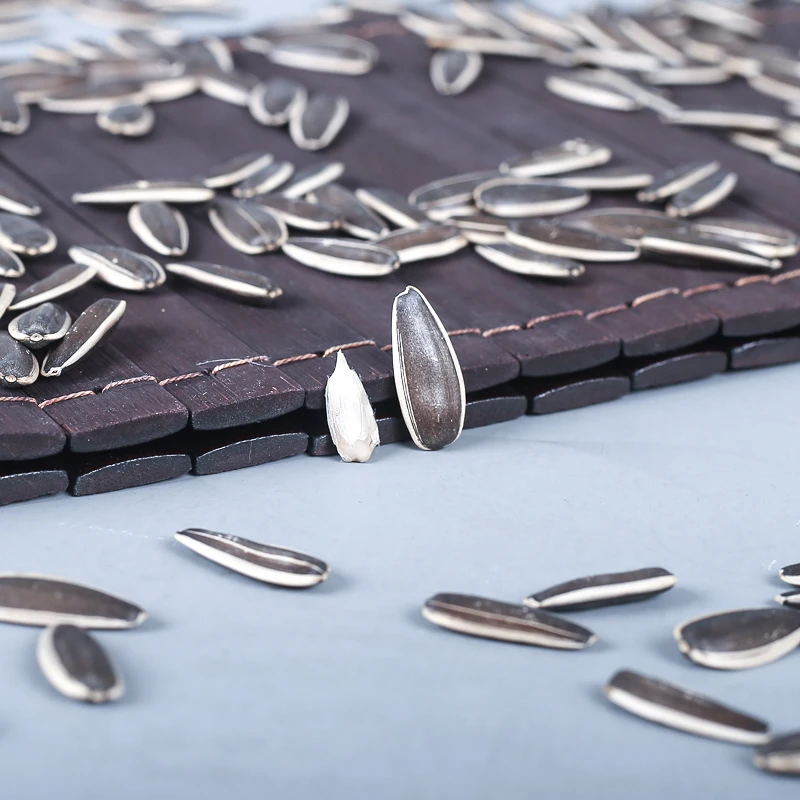
Sunflower kernels are biologically complex, comprising approximately 30-50% oil, 20-30% protein, 10-20% carbohydrate (primarily starch), and 5-10% fiber. The oil is primarily composed of triglycerides, with linoleic acid (omega-6) typically constituting 50-70% and oleic acid (omega-9) ranging from 10-40% depending on the sunflower variety. Kernel shell composition is primarily cellulose, hemicellulose, and lignin, providing structural rigidity.
The manufacturing process begins with harvesting, ideally when kernel moisture content reaches 10-14%. Subsequent drying is crucial, typically employing forced-air systems to reduce moisture to 8-9% for optimal storage stability. Dehulling is performed mechanically, often using impact or friction methods. Parameter control is vital; excessive force results in kernel damage and increased oil liberation, while insufficient force leaves hulls attached, reducing product quality. Kernel sorting utilizes a combination of mechanical separation (sizing screens) and optical sorting (color and shape detection) to remove foreign material and defective kernels. Critical parameters during sorting include screen size, air velocity, and optical sensor sensitivity. Oil extraction, typically achieved through solvent extraction (hexane) or mechanical pressing, further refines the raw kernels. Moisture content and temperature during drying are directly correlated to oil quality and preservation of vitamin E content. Maintaining a low processing temperature minimizes the formation of trans fats and preserves the natural fatty acid profile. The mechanical properties of the kernel shell (tensile strength, fracture toughness) dictate the efficiency of the dehulling process and minimize kernel breakage.
Performance & Engineering
Performance analysis of sunflower kernels centers on ensuring the final product meets specific quality and safety criteria. Aflatoxin contamination is a primary concern, demanding adherence to strict quality control protocols throughout the entire production chain. Aflatoxins, produced by Aspergillus fungi, are potent carcinogens. Regular testing utilizing ELISA or HPLC methods is essential to confirm levels remain below regulatory limits.
Kernel hardness, measured by compression testing, influences the efficiency of the cracking and dehulling processes. Higher hardness generally indicates greater resistance to breakage. The oil content, typically determined via Soxhlet extraction, directly impacts the yield and economic value of the product. Fatty acid composition, analyzed by gas chromatography, defines the nutritional profile and influences the shelf life of the oil. Environmental resistance factors include storage temperature and humidity. Kernels are susceptible to rancidity due to lipid oxidation; maintaining low temperature and minimizing oxygen exposure extends shelf life. Packaging materials play a crucial role in minimizing oxygen ingress and moisture absorption. Compliance requirements include adherence to regulations set by the FDA (Food and Drug Administration) in the United States, EFSA (European Food Safety Authority) in Europe, and equivalent bodies in other regions. These regulations dictate permissible aflatoxin levels, labeling requirements, and Good Manufacturing Practices (GMP).
Technical Specifications
| Parameter | Unit | Typical Value | Acceptable Range |
|---|---|---|---|
| Oil Content (Dry Basis) | % | 48-58 | 40-65 |
| Moisture Content | % | 8-9 | 6-10 |
| Kernel Size (Diameter) | mm | 15-20 | 12-25 |
| Aflatoxin B1 | ppb | <2 | <20 (Regulatory Limit) |
| Free Fatty Acids (FFA) | % Oleic Acid | <0.5 | <1.0 |
| Kernel Hardness (Compression) | N | 50-80 | 30-100 |
Failure Mode & Maintenance
Sunflower kernels are susceptible to several failure modes impacting product quality and safety. Aflatoxin contamination, as previously mentioned, is a critical failure mode requiring preventative measures such as proper drying, storage, and fungal control. Mechanical damage during dehulling and sorting results in kernel breakage and increased oil liberation, leading to rancidity and reduced product value. Lipid oxidation, triggered by exposure to oxygen, light, and heat, causes rancidity and off-flavors. Insect infestation leads to kernel damage and contamination. Maintenance protocols should include regular cleaning and sanitation of processing equipment to prevent microbial growth and insect harborage. Proper storage conditions—cool, dry, and dark—are essential to minimize oxidation and infestation. Calibration of sorting equipment ensures accurate removal of defective kernels. Periodic inspection of dehulling machinery identifies and addresses mechanical wear, preventing excessive kernel damage. Implementing a robust HACCP (Hazard Analysis and Critical Control Points) plan is crucial for identifying and controlling potential hazards throughout the production process.
Industry FAQ
Q: What are the critical control points for minimizing aflatoxin contamination in sunflower kernels?
A: The critical control points include ensuring rapid and thorough drying of the harvested seeds to a moisture content of 8-9%, preventing mold growth during storage through temperature and humidity control, utilizing proper cleaning and sanitation procedures, and implementing regular aflatoxin testing at various stages of the process – incoming raw material, post-dehulling, and before final packaging.
Q: How does kernel size and shape affect the efficiency of the dehulling process?
A: Uniform kernel size and shape are essential for optimal dehulling efficiency. Variations in size can lead to inconsistent cracking and increased kernel damage. Sorting processes should be optimized to remove kernels outside the acceptable size range before dehulling.
Q: What are the key considerations when selecting packaging materials for sunflower kernels?
A: Packaging materials should provide a barrier against oxygen, moisture, and light to prevent rancidity and maintain product quality. Materials such as metallized films or multilayer structures with high barrier properties are commonly used. The packaging should also be food-grade and compliant with relevant regulations.
Q: What analytical methods are used to determine the oil content and fatty acid profile of sunflower kernels?
A: Oil content is typically determined using the Soxhlet extraction method. Fatty acid profile is analyzed using gas chromatography (GC) with flame ionization detection (FID). These methods provide accurate and reliable data for quality control and nutritional labeling.
Q: How do different sunflower varieties impact the fatty acid composition of the extracted oil?
A: Different sunflower varieties are bred to have varying levels of oleic and linoleic acids. High-oleic varieties contain a significantly higher percentage of oleic acid (typically >70%), offering improved oxidative stability and shelf life. Linoleic varieties are the traditional type, with lower oleic acid content.
Conclusion
The production of high-quality sunflower kernels for “good for you” applications necessitates a comprehensive understanding of material science, meticulous process control, and adherence to stringent quality standards. Maintaining low moisture content, preventing aflatoxin contamination, and minimizing mechanical damage are paramount to ensuring product safety and preserving nutritional value. Continuous monitoring of key parameters—oil content, fatty acid profile, and kernel soundness—is essential for maintaining consistent quality and meeting customer expectations.
Future trends in sunflower kernel manufacturing will likely focus on optimizing drying technologies to minimize energy consumption and reduce kernel damage, developing more effective aflatoxin control strategies, and exploring innovative packaging materials to extend shelf life and reduce food waste. Investment in advanced sorting and grading technologies will further improve product quality and efficiency. Sustainable agricultural practices, aimed at minimizing environmental impact and promoting biodiversity, will also become increasingly important.
