Introduction
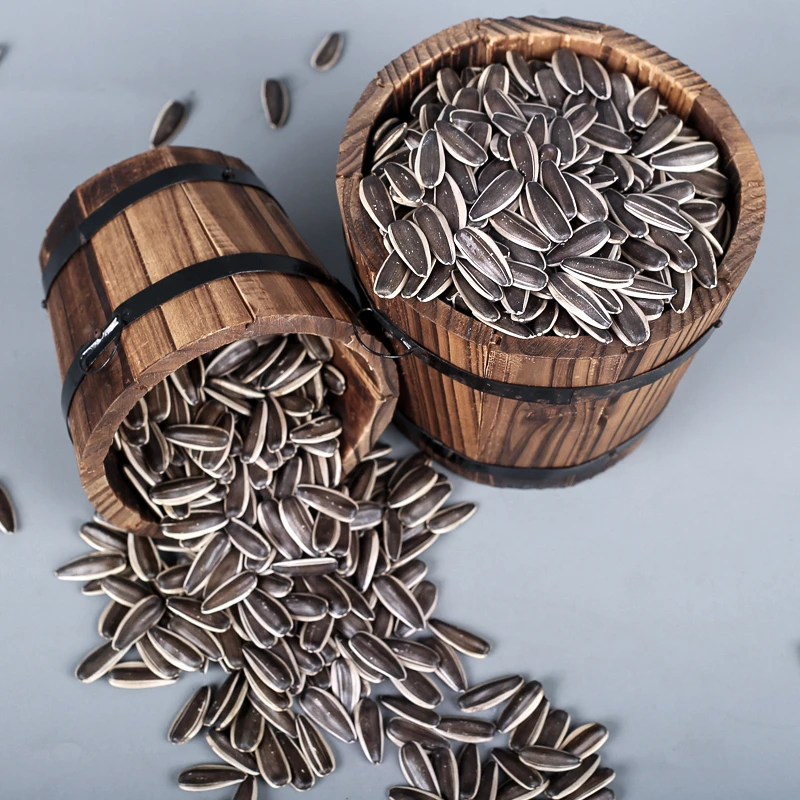
Sunflower kernels, originating from the Helianthus annuus plant, represent a significant commodity within the global food and oilseed industry. This technical guide focuses on the production and quality control aspects relevant to manufacturers supplying sunflower kernels, particularly those emphasizing nutritional value ("good for you"). Sunflower kernels occupy a pivotal position in the agricultural supply chain, bridging primary agriculture with the food processing sectors – confectionery, snack foods, oil extraction, and animal feed. Their economic importance stems from the high oil content (40-58%), significant protein levels (20-25%), and essential fatty acid profile. This document provides an in-depth examination of the material science, manufacturing processes, performance characteristics, potential failure modes, and industry standards associated with consistently delivering high-quality sunflower kernels for diverse applications. Key performance indicators include kernel size uniformity, oil content, moisture content, free fatty acid (FFA) levels, peroxide value, and absence of foreign material. The inherent challenges lie in maintaining these parameters through varying climatic conditions during growth, harvesting, and post-harvest handling.
Material Science & Manufacturing
Sunflower kernels are primarily composed of lipid molecules (triglycerides), proteins, carbohydrates, and a minor proportion of minerals and vitamins. The lipid composition is dominated by linoleic acid (omega-6) and oleic acid (omega-9), with varying proportions depending on the sunflower variety. Protein content consists of globulins, albumins, and glutelins, contributing to the nutritional value. The kernel shell, or hull, is comprised largely of cellulose and lignin, providing structural integrity. Manufacturing begins with field cultivation and harvesting. Optimal moisture content at harvest is critical (8-12%) to minimize fungal growth and maintain kernel integrity. Post-harvest processing includes cleaning (removal of stems, leaves, and other debris), drying (to reduce moisture to below 7% for safe storage), dehulling (mechanical removal of the shell), sizing (separation by kernel size), and grading (based on quality parameters). Dehulling is a critical process, often utilizing impact or friction-based machines. Parameter control during drying is paramount; excessive heat can denature proteins and induce lipid oxidation. The use of controlled atmosphere drying, with regulated temperature and humidity, is preferred. Kernel size is frequently controlled using screens or optical sorting technology. Chemical compatibility is important; kernels must be stored in materials that do not leach harmful substances or contribute to rancidity (e.g., food-grade polyethylene or polypropylene). Significant research focuses on breeding programs to enhance oil content, alter fatty acid profiles (increasing oleic acid for improved stability), and improve resistance to common sunflower diseases.
Performance & Engineering
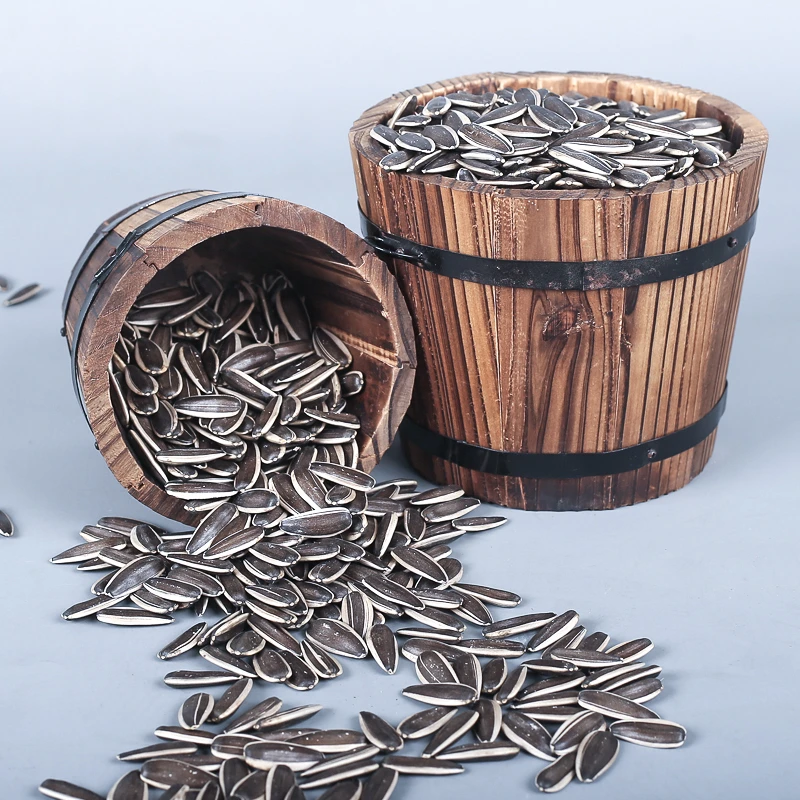
The performance of sunflower kernels is dictated by their mechanical strength, stability under storage conditions, and nutritional integrity. Force analysis during processing (dehulling, conveying) reveals that kernels exhibit brittle fracture behavior, with the shell offering significantly greater resistance than the kernel itself. Therefore, dehulling systems must balance sufficient force to remove the shell without causing excessive kernel damage. Environmental resistance is a major concern. Exposure to moisture leads to hydrolysis of triglycerides, increasing FFA levels and promoting microbial growth. Exposure to oxygen causes lipid oxidation, resulting in rancidity and a decrease in nutritional value. Packaging plays a critical role in mitigating these effects, utilizing barrier materials to limit oxygen and moisture ingress. Compliance requirements vary by region. In the US, the FDA regulates sunflower kernels as food products, requiring adherence to Good Manufacturing Practices (GMPs) and labeling regulations. The EU has similar requirements under the Food Safety Authority. Functional implementation—specifically, intended use (confectionery vs. oil extraction)—impacts quality specifications. Confectionery kernels require larger size, minimal shell fragments, and a light color. Oil extraction kernels prioritize oil yield and may tolerate higher levels of broken kernels and smaller size. Furthermore, traceability is increasingly important, requiring robust tracking systems to identify the origin and processing history of each batch.
Technical Specifications
| Parameter | Unit | Standard Grade A | Standard Grade B |
|---|---|---|---|
| Moisture Content | % | ≤ 6.5 | ≤ 8.0 |
| Oil Content (Dry Basis) | % | ≥ 50 | ≥ 45 |
| Free Fatty Acids (FFA) | % Oleic Acid | ≤ 0.5 | ≤ 1.0 |
| Peroxide Value | meq O2/kg | ≤ 5.0 | ≤ 10.0 |
| Broken Kernels & Shell Fragments | % | ≤ 2.0 | ≤ 5.0 |
| Foreign Material | % | ≤ 0.5 | ≤ 1.0 |
Failure Mode & Maintenance
Sunflower kernels are susceptible to several failure modes throughout their lifecycle. Fatigue cracking can occur during processing due to repeated mechanical stress. Delamination (separation of the kernel from the shell) is common during dehulling if parameters are not optimized. Degradation of lipids occurs via oxidation and hydrolysis, leading to rancidity and off-flavors. Oxidation is accelerated by exposure to light, oxygen, and elevated temperatures. Microbial contamination (e.g., Aspergillus species) can lead to the production of mycotoxins, rendering the kernels unsafe for consumption. Maintenance focuses on preventative measures. Regular cleaning and sanitation of processing equipment are critical to minimize microbial contamination. Proper storage conditions – low temperature (≤15°C), low humidity (≤65%), and inert atmosphere packaging – are essential to prevent oxidation and hydrolysis. Monitoring moisture content and FFA levels during storage is crucial. Implementing a First-In, First-Out (FIFO) inventory management system ensures that older batches are utilized before newer ones, minimizing the risk of spoilage. Regular inspection for insect infestation is also necessary. Furthermore, proactive maintenance of dehulling and drying equipment—including bearing lubrication, screen replacement, and temperature sensor calibration—is vital for maintaining optimal performance and minimizing kernel damage.
Industry FAQ
Q: What is the impact of sunflower variety on oil content and fatty acid profile?
A: Sunflower varieties exhibit significant variability in oil content and fatty acid composition. High-oleic varieties, bred to contain >80% oleic acid, offer superior oxidative stability and are preferred for applications requiring long shelf life. Linoleic varieties, containing high levels of linoleic acid, are traditionally used for oil production but are more prone to rancidity. Oil content generally ranges from 40-58%, depending on the variety and growing conditions.
Q: How does moisture content affect the storage life of sunflower kernels?
A: Moisture content is a critical factor influencing storage life. Elevated moisture levels promote microbial growth and accelerate hydrolysis of triglycerides, leading to FFA formation and rancidity. Maintaining a moisture content below 7% is essential for long-term storage. Controlled atmosphere storage, utilizing desiccants or modified air compositions, can further extend shelf life.
Q: What are the key indicators of lipid oxidation in sunflower kernels?
A: The primary indicators of lipid oxidation are peroxide value (PV) and anisidine value (AV). PV measures the initial products of oxidation, while AV indicates the accumulation of secondary oxidation products. An increasing PV and AV signify declining oil quality and the development of rancidity. Sensory evaluation (taste and odor) also provides valuable information.
Q: What are the best practices for preventing aflatoxin contamination in sunflower kernels?
A: Aflatoxins are mycotoxins produced by Aspergillus fungi. Prevention requires controlling moisture content during harvesting, drying, and storage. Proper cleaning and sanitation of processing equipment are essential. Implementing a Hazard Analysis and Critical Control Points (HACCP) plan, including regular testing for aflatoxins, is highly recommended.
Q: What is the role of packaging in maintaining sunflower kernel quality?
A: Packaging provides a barrier against oxygen, moisture, and light, all of which contribute to quality degradation. Materials with low oxygen permeability and moisture vapor transmission rates (MVTR) are preferred. Vacuum packaging or modified atmosphere packaging (MAP) using inert gases (nitrogen or carbon dioxide) can further extend shelf life. Food-grade plastics, such as polyethylene or polypropylene, are commonly used.
Conclusion
The production of high-quality sunflower kernels requires a holistic approach encompassing careful cultivar selection, optimized harvesting and post-harvest processing, stringent quality control, and appropriate storage conditions. Understanding the material science principles governing kernel composition and degradation mechanisms is crucial for maintaining nutritional value and preventing spoilage. Adherence to international standards and implementation of robust monitoring programs are essential for ensuring product safety and consistency.
Future advancements in sunflower kernel manufacturing will likely focus on improved dehulling technologies to minimize kernel damage, advanced drying techniques to preserve nutritional content, and the development of novel packaging materials with enhanced barrier properties. Furthermore, the increasing demand for sustainable agricultural practices will drive innovation in environmentally friendly processing methods and waste reduction strategies.
