Introduction
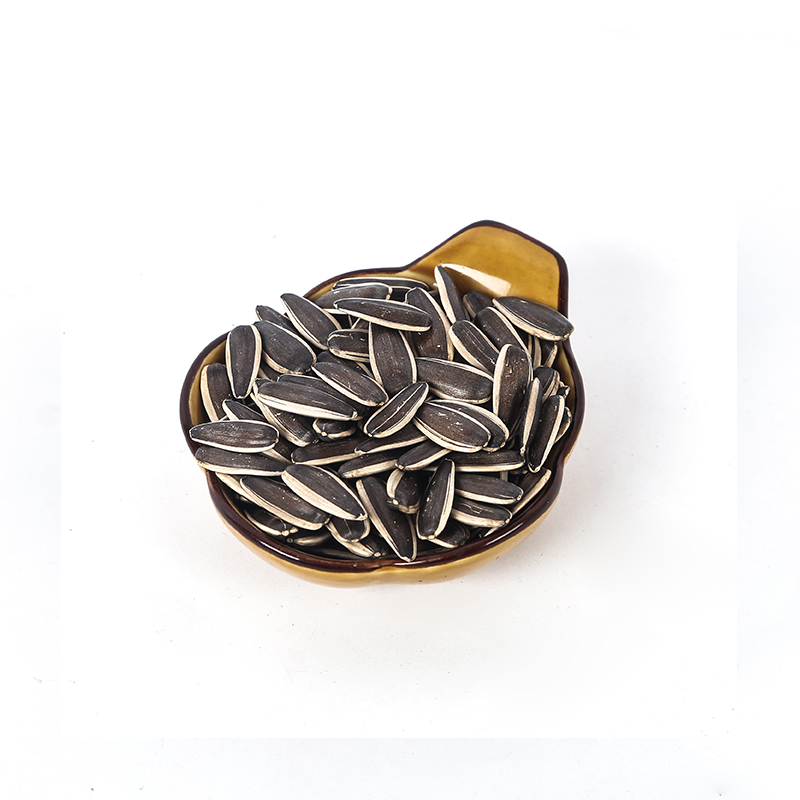
Sunflower kernels, the edible seeds of the Helianthus annuus plant, are a significant agricultural commodity experiencing increasing demand globally. This technical guide focuses on the industrial processing and quality control parameters pertinent to “sunflower kernels good for you factory” production. Positioned within the broader oilseed processing industry, these kernels serve as a primary source of vegetable oil, protein meal for animal feed, and increasingly, a direct-consumption snack food. Core performance indicators for industrial-scale sunflower kernel processing revolve around oil yield, kernel soundness, minimizing free fatty acid (FFA) content, and adherence to stringent food safety regulations. This guide will detail the material science, manufacturing processes, performance characteristics, potential failure modes, and relevant industry standards governing the production of high-quality sunflower kernels.
Material Science & Manufacturing
Sunflower kernels comprise approximately 40-50% oil, 20-30% protein, 10-15% hull (or husk), and 5-10% moisture. The oil primarily consists of linoleic acid (a polyunsaturated omega-6 fatty acid), oleic acid (a monounsaturated fatty acid), and palmitic acid (a saturated fatty acid). Kernel quality is directly influenced by the genetic variety of sunflower, growing conditions, and harvesting practices. Manufacturing begins with dehulling – the mechanical separation of the kernel from the hull. This is typically achieved using rubber rolls or impact dehullers, requiring precise control of roll pressure and speed to minimize kernel damage and maximize hull removal efficiency. Subsequently, kernels undergo cleaning to remove foreign matter (stems, leaves, dirt). The cleaned kernels are then flaked to rupture cell walls, facilitating efficient oil extraction. Flaking is achieved using chilled rollers with tightly controlled gap settings to prevent oil smearing. Oil extraction is primarily performed using mechanical pressing (expelling) and/or solvent extraction (typically with hexane). Mechanical pressing yields a lower oil yield but produces a higher-quality oil. Solvent extraction provides a higher yield but necessitates rigorous solvent removal to meet food safety standards. Post-extraction, the oil undergoes refining (degumming, neutralization, bleaching, deodorization) and the resulting meal is further processed for animal feed. Parameter control during flaking (flake thickness, moisture content), solvent extraction (temperature, solvent-to-kernel ratio), and refining (temperature, vacuum) are crucial for optimizing oil yield and quality. Moisture content is particularly critical, influencing both oil extraction efficiency and kernel storage stability.
Performance & Engineering
The engineering performance of sunflower kernel processing centers on efficient mass transfer during oil extraction and the minimization of energy consumption. Force analysis during dehulling focuses on shear forces and compressive forces. Optimizing these forces is crucial to minimize kernel breakage and maximize hull separation. Environmental resistance is a key consideration, particularly regarding storage. Sunflower kernels are susceptible to oxidation and rancidity due to the unsaturated fatty acids in their oil content. Therefore, storage conditions must maintain low temperatures (below 15°C) and low oxygen levels (nitrogen flushing of storage silos is common). Compliance requirements are dictated by food safety regulations (see section 7). Specifically, limits are placed on residual solvent levels (hexane), aflatoxin contamination, and microbial loads. Functional implementation of quality control involves continuous monitoring of moisture content, oil content, FFA levels, and peroxide value throughout the processing chain. The coefficient of friction between kernels and processing equipment surfaces also impacts efficiency and must be carefully considered in equipment design. Kernel hardness, measured using impact resistance testing, influences dehulling efficiency and flake quality. Furthermore, the thermal stability of the oil during refining must be monitored to prevent degradation and color formation.
Technical Specifications
| Parameter | Unit | Specification (Industrial Grade) | Test Method |
|---|---|---|---|
| Oil Content (Dry Basis) | % | 48-58 | Soxhlet Extraction (AOCS Official Method) |
| Moisture Content | % | < 9.0 | Oven Drying (AOCS Official Method) |
| Free Fatty Acid (FFA) | % | < 1.0 | Titration (AOCS Official Method) |
| Hull Content | % | < 5.0 | Visual Inspection & Weight Separation |
| Broken Kernel & Foreign Matter | % | < 2.0 | Visual Inspection & Sieve Analysis |
| Peroxide Value | meq O2/kg | < 10.0 | Titration (AOCS Official Method) |
Failure Mode & Maintenance
Sunflower kernel processing equipment is subject to several potential failure modes. Dehulling equipment experiences wear and tear on rubber rolls and impact plates, leading to reduced dehulling efficiency and increased kernel damage. Regular inspection and replacement of these components are essential. Solvent extraction equipment is prone to leaks, posing environmental and safety hazards. Regular pressure testing and seal replacement are critical maintenance procedures. Flaking rolls can develop scoring or pitting, leading to uneven flake thickness and reduced oil yield. Maintaining proper roll temperature and lubrication is vital. A common failure mode for the kernels themselves is rancidity, caused by lipid oxidation. This is exacerbated by high temperatures, exposure to oxygen, and the presence of metal contaminants. Proper storage (low temperature, inert atmosphere) and regular monitoring of peroxide value are essential for prevention. Another potential failure is aflatoxin contamination, which can occur during pre-harvest or storage. Implementing robust quality control measures at sourcing and regular aflatoxin testing are crucial. Finally, equipment fouling (build-up of oil and debris) can reduce processing efficiency and increase cleaning requirements. Regular cleaning schedules and optimized process parameters can mitigate this issue.
Industry FAQ
Q: What is the acceptable limit for residual hexane in the finished sunflower kernels, and how is it typically measured?
A: The acceptable limit for residual hexane is typically regulated by food safety authorities and commonly falls below 2 ppm (parts per million). It is commonly measured using Gas Chromatography with Flame Ionization Detection (GC-FID), following standardized methods like those outlined in AOCS Official Methods or ISO standards.
Q: How does the variety of sunflower seed affect the oil yield and quality?
A: High oleic sunflower varieties generally yield oil with improved oxidative stability due to their higher oleic acid content. Linoleic sunflower varieties typically have higher overall oil yields but are more susceptible to rancidity. The seed size and hull thickness also influence dehulling efficiency and overall processing parameters.
Q: What are the critical control points for preventing aflatoxin contamination in sunflower kernels?
A: Critical control points include sourcing seeds from reputable suppliers with proven aflatoxin control programs, proper drying of seeds before storage, maintaining sanitary storage conditions (low moisture, temperature, and insect control), and regular aflatoxin testing throughout the supply chain.
Q: What measures can be taken to minimize the formation of free fatty acids (FFAs) during processing?
A: Minimizing FFAs involves controlling temperature during all processing stages, particularly during drying and oil extraction. Using gentle extraction methods and avoiding prolonged contact with water can also help to reduce FFA formation. Maintaining clean equipment to prevent enzymatic hydrolysis is also crucial.
Q: What is the role of anti-oxidants in extending the shelf life of sunflower kernels and oil?
A: Anti-oxidants, such as tocopherols (vitamin E) and ascorbyl palmitate, inhibit lipid oxidation by scavenging free radicals. They are added to sunflower oil and sometimes directly to kernels to extend shelf life and prevent rancidity. The effectiveness depends on the concentration of the antioxidant and storage conditions.
Conclusion
The industrial production of sunflower kernels requires a comprehensive understanding of the interplay between material science, engineering principles, and stringent quality control measures. Optimizing dehulling, flaking, and oil extraction processes, coupled with meticulous monitoring of key parameters like moisture content, FFA levels, and aflatoxin contamination, is fundamental to achieving high oil yields and producing safe, high-quality kernels. Successful “sunflower kernels good for you factory” operations depend on proactive maintenance strategies to prevent equipment failures and implementing robust storage protocols to minimize oxidative degradation and ensure product stability.
Future advancements in sunflower kernel processing will likely focus on improving energy efficiency, minimizing solvent usage, and developing novel extraction techniques. Furthermore, genetic engineering efforts aimed at increasing oil content and enhancing resistance to oxidation will play a significant role in optimizing the entire production chain. Continuous adherence to evolving international standards and a commitment to sustainable practices are essential for long-term success in this dynamic industry.
