Introduction
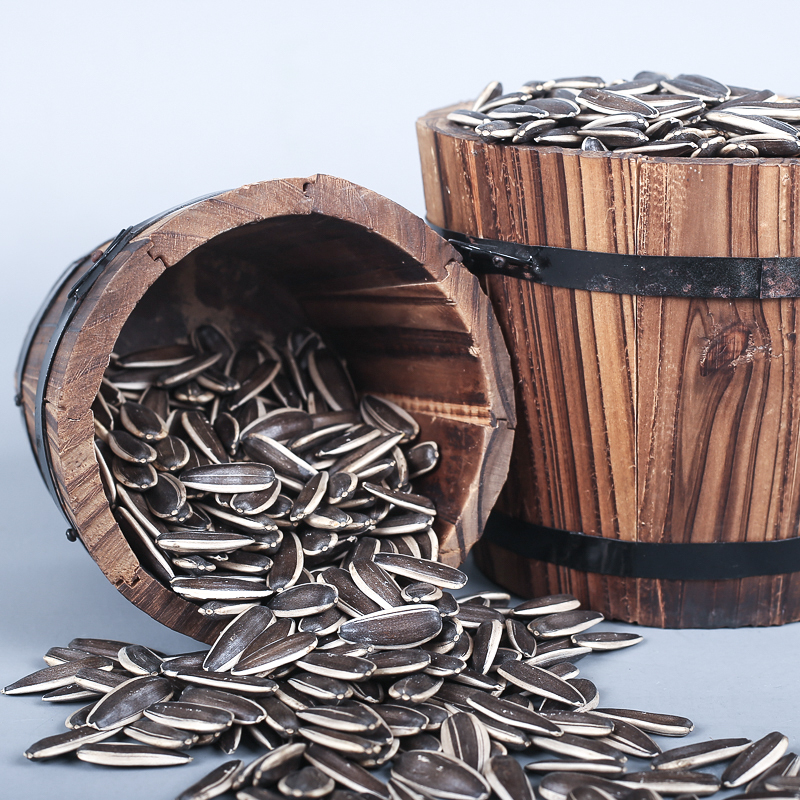
Sunflower kernels, a globally significant oilseed crop, are processed in specialized “good for you” factories focused on maximizing nutritional value and minimizing processing-induced degradation. These facilities represent a crucial link in the food supply chain, bridging agricultural production with consumer demand for healthy snacks and edible oils. This technical guide details the material science, manufacturing processes, performance criteria, failure modes, and maintenance protocols critical to the successful operation of these factories. The primary objective of these facilities is the production of high-quality kernels suitable for direct consumption, roasting, confectionary applications, or further processing into oil and meal. Key performance indicators revolve around kernel integrity (minimizing cracked or damaged kernels), oil content, protein content, and the absence of harmful contaminants. The industry faces challenges in maintaining consistent quality across varying sunflower varieties, optimizing dehulling efficiency, controlling aflatoxin levels, and meeting stringent food safety regulations.
Material Science & Manufacturing
Sunflower kernels derive their properties from a complex interplay of lipid, protein, and carbohydrate compositions. The lipid fraction, primarily consisting of linoleic, oleic, and palmitic acids, dictates oil yield and oxidative stability. Protein content, typically ranging from 20-25%, influences nutritional value and textural characteristics. Carbohydrates, largely represented by cellulose and hemicellulose in the hull, require effective separation during dehulling. Raw sunflower seeds undergo several stages of processing: cleaning (removal of stems, leaves, and other foreign material), dehulling (separating the kernel from the hull – critical for reducing oil darkening and improving flavor), kernel grading (classification based on size and density), drying (reducing moisture content to 8-10% for optimal storage), and conveying/packaging. Dehulling is typically achieved through impact and friction methods using rubber rollers or abrasive surfaces. Control of roller pressure, feed rate, and moisture content are paramount. Improper dehulling leads to increased hull fragments in the final product, reducing its commercial value. Drying is crucial; too little moisture encourages mold growth, while excessive heat causes protein denaturation and oil degradation. Modern facilities employ continuous-flow dryers with precise temperature and airflow control. Material compatibility is key, with food-grade stainless steel and polymers being preferred for contact surfaces to prevent leaching and contamination.
Performance & Engineering
The engineering design of sunflower kernel processing facilities centers around maximizing throughput, minimizing breakage, and ensuring hygienic operation. Force analysis is critical in designing dehulling systems; impact forces must be sufficient to crack the hull without damaging the kernel. Finite Element Analysis (FEA) is employed to optimize roller geometry and material selection. Environmental resistance is a significant concern, specifically temperature and humidity control. High humidity promotes microbial growth, while fluctuating temperatures can affect oil stability. Temperature mapping within storage silos is essential to identify and address hot spots. Compliance requirements are dictated by food safety regulations like HACCP (Hazard Analysis and Critical Control Points) and GMP (Good Manufacturing Practices). These necessitate robust cleaning protocols, pest control measures, and traceability systems. Dust control is also critical – sunflower hull dust is combustible and poses an explosion hazard. Proper ventilation, grounding of equipment, and the use of dust collection systems are essential safety measures. Furthermore, the efficient transfer of kernels through pneumatic conveying systems requires precise control of air velocity and pressure to prevent kernel damage. The design of conveying systems must also consider the abrasive nature of the kernels to minimize wear and tear on system components.
Technical Specifications
| Parameter | Specification | Test Method | Acceptance Criteria |
|---|---|---|---|
| Moisture Content | 8.0 - 10.0% | Oven Drying (AACC Method 14-06) | Within specified range |
| Oil Content (Dry Basis) | 42.0 – 52.0% | Soxhlet Extraction (AOCS Official Method Ak 3-93) | Consistent with variety and grade |
| Protein Content (Dry Basis) | 18.0 – 26.0% | Kjeldahl Method (AACC Method 46-17) | Within specified range |
| Kernel Damage (Cracked/Broken) | < 5.0% | Visual Inspection | Minimal damage impacting quality |
| Hull Content | < 2.0% | Screening Analysis | Low hull content for optimal flavor |
| Aflatoxin Levels (ppb) | < 20 ppb | HPLC-Fluorescence (AOAC Official Method 2000.07) | Meets regulatory standards (e.g., FDA, EU) |
Failure Mode & Maintenance
Sunflower kernel processing equipment is susceptible to various failure modes. Roller bearings in dehulling systems are prone to fatigue cracking due to high loads and abrasive environments. Regular lubrication and vibration analysis are crucial preventative measures. Conveyor belts can experience wear and tear, leading to breakage and contamination. Scheduled inspections and replacement of worn sections are essential. Dryers can suffer from overheating due to clogged air filters or malfunctioning temperature sensors, resulting in kernel scorching and oil degradation. Regular filter cleaning and calibration of sensors are necessary. Aflatoxin contamination is a recurring challenge. Poor sanitation practices, inadequate drying, and storage in humid environments create favorable conditions for mold growth. Rigorous cleaning protocols, moisture control, and the use of antifungal treatments are vital. Foreign material contamination (stones, metal fragments) can occur during cleaning or processing. Metal detectors and magnets should be strategically placed throughout the facility. Predictive maintenance, utilizing sensor data and machine learning algorithms, is increasingly employed to anticipate failures and optimize maintenance schedules. Regular inspection of welds in structural components for fatigue cracks is also critical.
Industry FAQ
Q: What are the critical parameters affecting oil quality during sunflower kernel processing?
A: Temperature control during drying and dehulling are paramount. Excessive heat leads to oxidation and the formation of undesirable compounds. Minimizing kernel damage during processing is also crucial, as damaged kernels release enzymes that accelerate oil degradation. Proper storage conditions – cool, dry, and dark – are essential to preserve oil quality.
Q: How can we effectively control aflatoxin contamination in sunflower kernels?
A: Implementing a robust HACCP plan is essential, focusing on sourcing high-quality seeds, meticulous cleaning, rapid and thorough drying, proper storage, and regular testing for aflatoxin levels. The use of antifungal treatments may be considered, but must comply with regulatory guidelines.
Q: What is the optimal moisture content for long-term sunflower kernel storage?
A: The optimal moisture content for long-term storage is between 8.0% and 9.0%. Maintaining this level inhibits mold growth and preserves oil quality. Regular monitoring of moisture content during storage is crucial, and aeration may be necessary to prevent localized humidity buildup.
Q: What are the key considerations when selecting materials for equipment used in sunflower kernel processing?
A: Food-grade stainless steel is the preferred material for all surfaces in contact with the kernels due to its corrosion resistance, hygienic properties, and lack of reactivity. Polymers used should be FDA-approved and resistant to abrasion and cleaning chemicals. Materials should not leach any harmful substances into the kernels.
Q: How does dehulling efficiency impact the final product quality and oil yield?
A: Efficient dehulling is critical. Incomplete dehulling leaves hull fragments attached to the kernel, which darkens the oil during extraction and imparts an undesirable flavor. Gentle dehulling minimizes kernel damage, preserving oil quality and maximizing yield. Optimizing roller pressure, feed rate, and moisture content are key to achieving high dehulling efficiency and minimal damage.
Conclusion
Sunflower kernel processing demands a comprehensive understanding of material science, engineering principles, and food safety regulations. Achieving consistent quality requires meticulous control over every stage of the process, from seed selection to packaging. Optimizing dehulling efficiency, controlling moisture content, and preventing contamination are paramount concerns.
Future trends in the industry will likely focus on implementing advanced process control systems utilizing real-time sensor data and machine learning algorithms to optimize performance, reduce waste, and enhance product quality. Sustainable practices, such as minimizing water usage and reducing energy consumption, will also become increasingly important. Continued research into sunflower breeding programs to develop varieties with improved oil content, disease resistance, and processing characteristics will further drive innovation in the “good for you” sunflower kernel factory of the future.
