Introduction
Sunflower kernels, the edible seeds of the Helianthus annuus plant, represent a significant commodity in the global agricultural market, particularly for exporters focused on the health food sector. These kernels are not simply a snack food; they constitute a crucial source of vegetable oil, protein, and essential fatty acids. This guide details the technical aspects of sunflower kernel quality, processing, and preservation, crucial for exporters supplying both the direct-consumption and industrial (oil extraction) markets. Understanding the nuanced characteristics of kernel composition, storage requirements, and international standards is paramount to mitigating risk and ensuring consistent product quality. The industry faces increasing pressure regarding aflatoxin control, oil yield optimization, and maintaining consistent nutritional profiles, making a thorough understanding of the underlying science essential for competitive advantage. This document serves as a comprehensive resource for exporters, bridging the gap between agricultural production and global market demands.
Material Science & Manufacturing
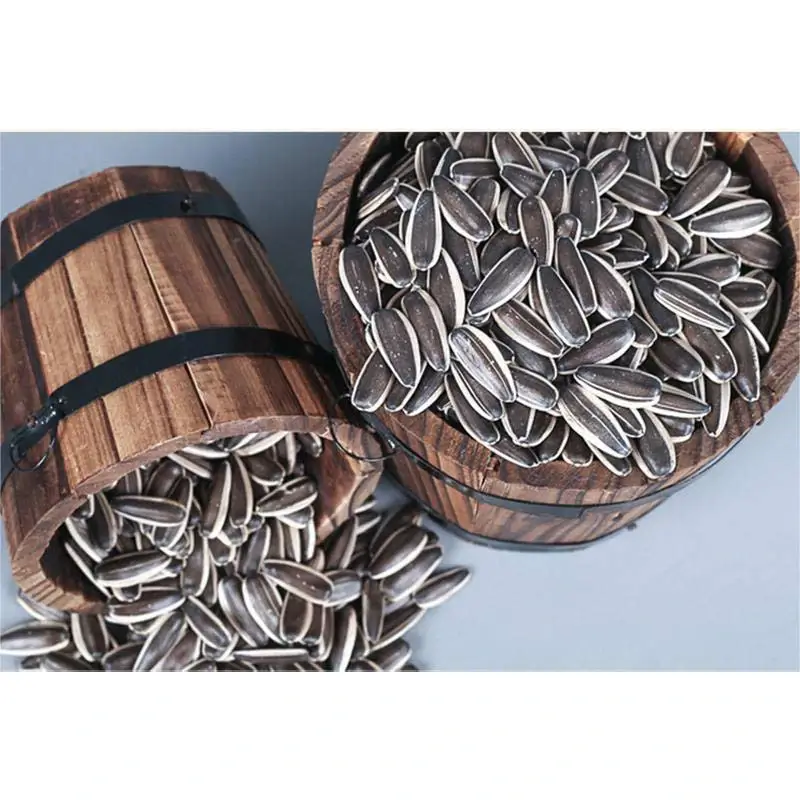
Sunflower kernels are primarily composed of three key components: the kernel (or meat), the shell (hull), and the oil within the kernel. The kernel itself consists of approximately 20-50% oil, 20-30% protein, 15-20% carbohydrates (primarily fiber), and a significant proportion of polyunsaturated fatty acids (PUFAs) – linoleic acid (omega-6) being the predominant one. Shell composition is largely cellulose and lignin, providing structural integrity.
Manufacturing begins with harvesting, typically employing combine harvesters equipped with shelling and cleaning mechanisms. The initial processing involves drying the harvested heads to a moisture content of approximately 9-12% to prevent fungal growth and ensure safe storage. This drying process is critical; rapid, controlled drying minimizes enzymatic activity and preserves oil quality. Subsequent dehulling separates the kernel from the shell, traditionally achieved through mechanical means involving impact and friction. Modern dehulling systems utilize rubber or polymer rollers to minimize kernel damage. Kernel grading follows, based on size, density, and visual defects (e.g., chipped kernels, damaged shells, foreign matter). Oil extraction, if the kernels are destined for oil production, typically employs mechanical pressing (expelling) or solvent extraction (using hexane). For kernels intended for direct consumption, further processing may include seasoning, roasting, or coating. Parameter control during drying (temperature, airflow, duration) is crucial to prevent protein denaturation and lipid oxidation. The dehulling process must be optimized to minimize kernel breakage, which reduces oil yield and impacts product quality. Precise control of moisture content throughout processing is essential for maintaining kernel integrity and preventing microbial proliferation.
Performance & Engineering
The performance of sunflower kernels, from a logistical and end-user perspective, is dictated by several engineering properties. Bulk density, typically ranging from 450-650 kg/m³, influences storage and transportation efficiency. Angle of repose (around 60-70 degrees) impacts the flowability of kernels during processing and packaging. Tensile strength of the kernel is relevant during dehulling and handling, with lower strength kernels being more susceptible to breakage. The kernels' susceptibility to oxidation is a key performance factor. PUFAs are prone to rancidity when exposed to oxygen, light, and heat. Packaging materials and storage conditions must mitigate these factors. Aflatoxin contamination is a critical safety concern, requiring stringent quality control measures. Environmental resistance is primarily focused on moisture control; excessive moisture promotes fungal growth and aflatoxin production. Compliance requirements are governed by international food safety standards (see footer). Functional implementation, concerning oil yield, is determined by kernel oil content and the efficiency of the extraction process. Force analysis during dehulling dictates the optimal roller pressure and speed to maximize kernel recovery and minimize damage.
Technical Specifications
| Parameter | Unit | Typical Value (Oilseed Variety) | Typical Value (Confectionery Variety) |
|---|---|---|---|
| Oil Content | % (dry weight) | 42-58 | 38-45 |
| Protein Content | % (dry weight) | 18-26 | 20-28 |
| Moisture Content (Maximum) | % | 9 | 9 |
| Foreign Matter (Maximum) | % | 1 | 0.5 |
| Damaged Kernels (Maximum) | % | 3 | 2 |
| Aflatoxin B1 (Maximum) | ppb | 20 (regulatory limit varies) | 20 (regulatory limit varies) |
Failure Mode & Maintenance
Sunflower kernels are susceptible to several failure modes during storage and transport. Lipid oxidation is a primary concern, leading to rancidity and off-flavors, especially in kernels with high PUFA content. This is accelerated by exposure to oxygen, light, and elevated temperatures. Aflatoxin contamination, caused by Aspergillus fungi, is a significant safety hazard. This occurs primarily when kernels are stored with high moisture content and inadequate ventilation. Mechanical damage (cracking, chipping) during dehulling and handling reduces kernel quality and increases susceptibility to oxidation and fungal attack. Insect infestation can also lead to spoilage and contamination. Maintenance involves strict control of storage conditions: maintaining low temperature (below 25°C), low humidity (below 65%), and adequate ventilation. Regular monitoring for aflatoxin levels is essential. Packaging should provide a barrier to oxygen and light. Preventative measures include thorough cleaning of storage facilities, pest control, and proper drying of kernels before storage. For oilseed varieties, the decline in oil quality (increase in free fatty acids) during prolonged storage is a significant failure mode. Regular oil quality analysis is recommended.
Industry FAQ
Q: What are the key differences in quality control between sunflower kernels destined for oil extraction versus direct consumption?
A: Kernels for oil extraction prioritize oil yield and are more tolerant of minor shell fragments. Quality control focuses on moisture content and free fatty acid levels. For direct consumption, visual appearance, kernel integrity (minimizing broken kernels), and aflatoxin levels are paramount. Stricter tolerances for foreign matter and damaged kernels are applied.
Q: How does the variety of sunflower impact the oil quality and composition?
A: High-oleic varieties produce oils with greater oxidative stability due to the increased proportion of oleic acid. Linoleic varieties have a higher proportion of linoleic acid (omega-6) and are more susceptible to rancidity. Oil color and flavor can also vary depending on the variety.
Q: What are the best practices for mitigating aflatoxin contamination during storage?
A: Maintaining a moisture content below 9%, ensuring adequate ventilation, controlling storage temperature (below 25°C), and implementing regular cleaning and pest control programs are crucial. Routine aflatoxin testing is also essential.
Q: What packaging materials are recommended for preserving sunflower kernel quality during long-distance transport?
A: Multi-layer bags with a barrier to oxygen, moisture, and light are recommended. Materials like polyethylene (PE) combined with aluminum foil or EVOH (ethylene vinyl alcohol) provide excellent protection. Vacuum packaging or modified atmosphere packaging (MAP) can further enhance preservation.
Q: How does the dehulling process affect the quality and oil yield of sunflower kernels?
A: Improper dehulling can cause excessive kernel breakage, reducing oil yield and increasing the risk of oxidation. Optimizing roller pressure, speed, and clearance is critical. Minimizing the residence time in the dehuller also reduces the risk of kernel damage.
Conclusion
Sunflower kernel export requires a comprehensive understanding of the interplay between agricultural practices, material science, and stringent quality control. The key to successful trade lies in consistent product quality, adherence to international food safety standards, and proactive mitigation of failure modes like lipid oxidation and aflatoxin contamination. Optimizing the entire process, from harvesting and drying to dehulling, packaging, and storage, is paramount.
Looking forward, advancements in precision agriculture, improved storage technologies, and rapid aflatoxin detection methods will further enhance the competitiveness of sunflower kernel exporters. The increasing consumer demand for healthy oils and snacks presents a significant opportunity, but only for those who can consistently deliver a safe, high-quality product. Continued investment in research and development, coupled with a commitment to sustainable practices, will be essential for long-term success in this dynamic market.
