
Introduction
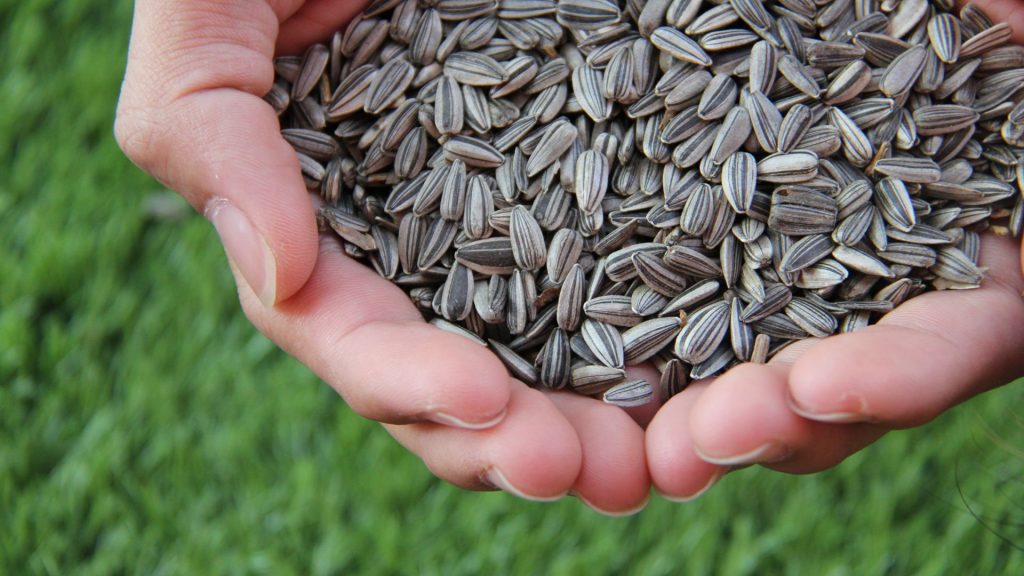
Sunflower kernels, the edible seeds of the Helianthus annuus plant, represent a significant commodity in the global agricultural market. This technical guide focuses on the nuances of sunflower kernels intended for export, specifically addressing quality control, storage considerations, and adherence to international food safety standards. Sunflower kernels occupy a unique position in the food industry, serving as a direct consumption snack, a crucial ingredient in confectionery, and a valuable source of oil. The core performance metrics defining quality include oil content, kernel size, moisture content, and the absence of foreign material. Industry pain points center on maintaining consistent kernel quality across varying harvest conditions, preventing aflatoxin contamination, and optimizing storage to minimize lipid oxidation and rancidity, impacting both nutritional value and marketability. Exporters must navigate a complex landscape of international regulations and buyer specifications to ensure successful market penetration.
Material Science & Manufacturing
Sunflower kernel composition is primarily defined by its lipid (40-50%), protein (20-25%), carbohydrate (15-20%), and fiber (5-10%) content. The lipid fraction consists largely of linoleic acid (a polyunsaturated omega-6 fatty acid) and oleic acid (a monounsaturated fatty acid). Kernel shell composition, a byproduct of processing, is largely cellulose and lignin. Manufacturing begins with harvesting, typically mechanically done with combine harvesters. Post-harvest processing involves drying to reduce moisture content to a safe storage level (typically 8-10%). De-heading and shelling are critical steps, often utilizing mechanical dehullers. The efficiency of the dehulling process directly impacts the percentage of kernel breakage. Key parameter control during processing includes maintaining optimal drying temperatures (below 60°C to prevent protein denaturation and oil oxidation), minimizing mechanical damage during shelling, and effective cleaning to remove foreign materials like stems, leaves, and weed seeds. Selection of sunflower varieties impacts kernel size, oil content, and hullability. Hybrid varieties are commonly employed to maximize yield and desirable kernel characteristics. Post-dehulling, kernels undergo grading, sizing (based on diameter), and optical sorting to remove discolored or damaged kernels. Careful control of these processes is paramount for maintaining export-grade quality.
Performance & Engineering
Sunflower kernel performance is largely dictated by its resistance to oxidative degradation and its structural integrity during handling and transportation. Force analysis during processing (dehulling, conveying, packaging) reveals critical stress points leading to kernel breakage. Minimizing impact forces and optimizing conveyor speeds are essential. Environmental resistance is primarily focused on moisture control. High moisture content promotes microbial growth (especially Aspergillus spp., leading to aflatoxin production) and accelerates lipid oxidation. Packaging materials must provide a barrier against moisture and oxygen. Compliance requirements are extensive, encompassing regulations set by the Food and Drug Administration (FDA) in the United States, the European Food Safety Authority (EFSA) in Europe, and equivalent bodies in other importing nations. Aflatoxin levels are of paramount concern, with maximum permissible limits varying by country. Functional implementation involves understanding kernel oil release characteristics during processing for oil extraction or evaluating kernel texture and flavor profile for direct consumption applications. The water activity (Aw) of sunflower kernels must be maintained below 0.7 to inhibit microbial growth. Proper packaging, utilizing materials with low oxygen and water vapor permeability, is crucial for maintaining Aw and preventing oxidative rancidity.
Technical Specifications
| Parameter | Unit | Grade A Specification | Grade B Specification |
|---|---|---|---|
| Oil Content (Dry Basis) | % | ≥ 50 | 45-49.9 |
| Moisture Content | % | ≤ 8.0 | 8.1-9.0 |
| Foreign Matter | % | ≤ 1.0 | 1.1-2.0 |
| Broken Kernels/Hulls | % | ≤ 5.0 | 5.1-8.0 |
| Aflatoxin (B1, B2, G1, G2) | ppb | ≤ 4 ppb (Total) | 4.1-8 ppb (Total) |
| Kernel Size (Diameter) | mm | 16-20 | 14-15.9 / 20.1-22 |
Failure Mode & Maintenance
Sunflower kernels are susceptible to several failure modes. Lipid Oxidation & Rancidity: Exposure to oxygen and elevated temperatures leads to the formation of hydroperoxides, aldehydes, and ketones, resulting in off-flavors and reduced nutritional value. Mitigation involves using airtight packaging, incorporating antioxidants (e.g., Vitamin E), and maintaining low storage temperatures. Aflatoxin Contamination: Aspergillus flavus and Aspergillus parasiticus fungi produce aflatoxins, potent carcinogens. Prevention requires proper pre-harvest management, rapid drying after harvest, and effective storage conditions. Regular aflatoxin testing is crucial. Mechanical Damage (Cracking & Breakage): Occurs during harvesting, dehulling, and handling. Results in increased surface area for oxidation and potential for fungal ingress. Optimizing processing parameters and employing gentle handling techniques are essential. Insect Infestation: Stored product insects can damage kernels and introduce contaminants. Maintaining low moisture content, proper sanitation, and the use of insecticidal treatments (where permitted and compliant with regulations) are necessary. Moisture Absorption & Microbial Growth: High humidity can lead to increased moisture content, promoting fungal and bacterial growth. Maintaining dry storage conditions and employing moisture-barrier packaging are critical. Maintenance practices include regular cleaning of storage facilities, monitoring temperature and humidity, and implementing a robust pest control program. Regular quality control testing for moisture content, oil content, and aflatoxin levels is paramount.
Industry FAQ
Q: What is the acceptable level of genetically modified (GM) sunflower kernels for export to the European Union?
A: The European Union has strict regulations regarding GM foods. Currently, any sunflower kernels intended for human or animal consumption must be non-GM or be authorized under EU Regulation (EC) No 1829/2003. Traceability and documentation proving non-GM status are typically required.
Q: How does kernel size affect market value and processing efficiency?
A: Larger kernel size generally correlates with higher oil content and is often preferred by confectionery manufacturers. It also tends to improve dehulling efficiency, reducing breakage and waste. Smaller kernels may be suitable for oil extraction but may command a lower price.
Q: What are the critical storage conditions for maintaining sunflower kernel quality during long-term storage (e.g., >6 months)?
A: Optimal storage conditions include a temperature below 15°C (59°F), a relative humidity below 65%, and airtight packaging to minimize oxygen exposure. Regular monitoring of temperature and humidity is crucial, and implementing a FIFO (First In, First Out) inventory management system is recommended.
Q: What analytical methods are used to determine oil content in sunflower kernels?
A: The most common method is Soxhlet extraction using hexane as a solvent. Near-infrared (NIR) spectroscopy is also frequently used for rapid, non-destructive analysis, though it requires calibration against a reference method like Soxhlet. Acid value and peroxide value are also used to assess oil quality and the degree of oxidation.
Q: What documentation is typically required for exporting sunflower kernels to the United States?
A: Required documentation typically includes a phytosanitary certificate, a certificate of origin, a packing list, a commercial invoice, and a bill of lading. Depending on the destination state, additional documentation may be required, such as a food safety plan and evidence of aflatoxin testing.
Conclusion
Sunflower kernel export requires meticulous attention to detail throughout the entire value chain, from agricultural practices to post-harvest handling and storage. Maintaining optimal kernel quality – characterized by high oil content, low moisture content, minimal damage, and the absence of contaminants like aflatoxins – is paramount for achieving market acceptance and maximizing profitability. Understanding the nuances of international regulations, including those pertaining to GM content and food safety standards, is critical for successful export operations.
Future trends in the sunflower kernel industry will likely focus on developing improved storage technologies to extend shelf life and minimize oxidation, and on breeding for varieties with enhanced oil profiles and improved resistance to fungal diseases. Implementing robust traceability systems and adopting sustainable agricultural practices will also become increasingly important to meet evolving consumer demands and regulatory requirements.
