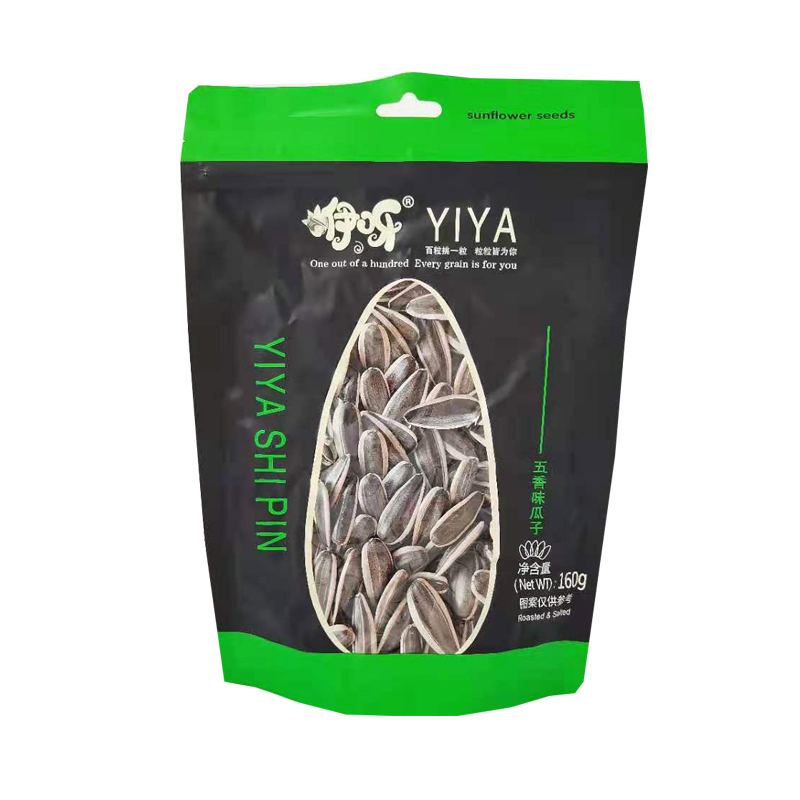
Introduction
Sunflower image manufacturing represents a specialized sector within the broader digital print and decorative materials industry. This process encompasses the creation of visual representations of sunflowers – ranging from photorealistic depictions to stylized artistic interpretations – applied to a diverse range of substrates. These images are utilized in applications including wall art, textile printing (home décor, apparel), promotional materials, packaging design, and increasingly, in digitally fabricated environments like interior design visualizations. The technical challenge lies in achieving accurate color reproduction, image durability, and scalability to meet varying production volumes and client specifications. Core performance metrics revolve around color fastness, resolution fidelity, substrate adhesion, and resistance to environmental degradation (UV exposure, humidity). The industry chain extends from digital image capture/creation (photography, graphic design) through pre-press processing (color separation, file format conversion), printing/application, and finally, finishing/quality control. This guide will detail the material science, manufacturing processes, performance characteristics, potential failure modes, and maintenance protocols crucial to the successful production of high-quality sunflower images.
Material Science & Manufacturing
The core material science revolves around the interplay between the imaging technology employed, the ink/toner chemistry, and the substrate material. Common substrates include canvas (cotton, polyester blends), paper (various weights and coatings), vinyl (PVC, polypropylene), and textiles (cotton, silk, polyester). Ink/toner formulations are typically categorized as dye-based, pigment-based, or UV-curable. Dye-based inks offer vibrant colors but suffer from lower lightfastness. Pigment-based inks provide superior UV resistance but may exhibit a narrower color gamut. UV-curable inks are highly durable and versatile, but require specialized equipment and handling procedures. Manufacturing processes vary significantly based on scale and substrate. For large-format printing (canvas, vinyl), inkjet printing dominates, utilizing piezoelectric or thermal inkjet heads to deposit droplets of ink onto the substrate. Resolution (DPI – dots per inch) is a critical parameter, directly impacting image sharpness and detail. Textile printing employs methods like direct-to-garment (DTG) printing, dye sublimation (requiring polyester substrates), or screen printing (for higher volume runs). Image transfer processes, such as heat transfer, also fall under this category. Critical parameter control includes precise temperature regulation during sublimation, consistent ink viscosity, accurate substrate feeding mechanisms, and optimized print head calibration. The surface energy of the substrate and the surface tension of the ink are crucial for achieving proper adhesion; pre-treatment (priming) may be necessary for low-energy surfaces.

Performance & Engineering
Performance engineering of sunflower images focuses on several key areas: color accuracy (Delta E values – quantifying color difference), image durability (resistance to abrasion, fading, and chemical attack), and structural integrity (particularly for substrates like canvas). Color accuracy relies on accurate color profiling (ICC profiles) and calibration of the printing system. Delta E values below 2 are typically considered acceptable for commercial applications. Image durability is assessed through accelerated weathering tests (UV exposure, humidity cycles) and abrasion resistance tests (Taber abrasion). For canvas prints, the tensile strength of the canvas fabric and the adhesion of the ink to the fabric are critical. Force analysis is employed to determine the optimal tensioning of canvas during stretching and framing to prevent sagging or distortion. Environmental resistance necessitates consideration of specific application environments. Outdoor applications require UV-resistant inks and substrates. Applications in humid environments demand moisture-resistant substrates and inks. Compliance requirements vary depending on the end-use application. For example, textile printing may be subject to regulations concerning harmful chemicals (REACH, Oeko-Tex Standard 100). Packaging applications must comply with food contact regulations. Functional implementation considerations include the integration of variable data printing (personalized images) and the use of augmented reality (AR) technologies to enhance the visual experience.
Technical Specifications
| Parameter | Unit | Typical Range (Pigment Ink on Canvas) | Typical Range (Dye Sublimation on Polyester) |
|---|---|---|---|
| Color Gamut (sRGB Coverage) | % | 90-95 | 98-100 |
| Lightfastness (Blue Wool Scale) | Scale | 6-7 | 4-5 |
| Resolution (DPI) | Dots per Inch | 300-600 | 600-1200 |
| Abrasion Resistance (Taber Abrasion) | Cycles to Failure | 500-1000 | 200-500 |
| Water Resistance (Contact Angle) | Degrees | 80-90 | 60-70 |
| Substrate Weight | gsm | 320-400 (Canvas) | 120-200 (Polyester) |
Failure Mode & Maintenance
Common failure modes in sunflower image manufacturing include color fading (due to UV exposure), cracking or peeling of the image (due to poor adhesion), substrate degradation (due to moisture or mechanical stress), and image distortion (due to improper substrate tensioning). Fatigue cracking can occur in canvas prints subjected to repeated stretching or flexing. Delamination can occur when the ink does not properly adhere to the substrate. Degradation of the ink binder can lead to loss of color vibrancy and image clarity. Oxidation of pigments can also contribute to color shift. Preventative maintenance includes regular cleaning of print heads, calibration of the color management system, and proper storage of inks and substrates. For canvas prints, maintaining appropriate humidity levels is crucial to prevent substrate warping or mildew growth. For textile prints, proper washing and drying procedures are essential to preserve image quality. In case of minor damage (e.g., scratches), localized touch-up repairs can be performed using compatible inks and techniques. Regular inspection of printed products is recommended to identify and address potential issues before they escalate. Implement a robust quality control process, tracking Delta E values, abrasion resistance, and substrate adhesion regularly.
Industry FAQ
Q: What is the impact of substrate texture on the final image quality, and how can it be mitigated?
A: Substrate texture, particularly in canvas and textured paper, can introduce subtle variations in color saturation and sharpness. The texture can scatter light, reducing the perceived vibrancy of colors and softening image edges. Mitigation strategies include using higher resolution images, employing pre-press image sharpening techniques, and selecting inks with optimal viscosity to fill the substrate’s valleys. Utilizing a substrate coating to smooth the surface is also an effective, albeit potentially costly, solution.
Q: How do different ink types compare in terms of long-term color stability for outdoor applications?
A: Pigment-based inks, especially those with UV-stabilizing additives, offer the best long-term color stability for outdoor applications. Dye-based inks are significantly less resistant to fading from UV exposure. UV-curable inks provide excellent durability but can sometimes become brittle over time, leading to cracking. A clear UV protective coating applied over the printed image can further enhance color stability, regardless of the ink type.
Q: What are the key considerations when selecting a substrate for dye sublimation printing?
A: The substrate must be polyester or a polyester-coated material for dye sublimation to work effectively. The polyester content should be at least 65% for optimal color transfer. The substrate’s surface smoothness and porosity also influence the print quality. Pre-treatment with a coating can improve ink adhesion and color vibrancy on some polyester fabrics.
Q: What are the common causes of banding in inkjet prints, and how can they be resolved?
A: Banding occurs when the inkjet print head does not deposit ink consistently across the substrate, resulting in visible horizontal lines. Common causes include clogged print heads, incorrect print head alignment, insufficient ink flow, or incorrect substrate feed. Resolutions involve cleaning or replacing print heads, performing print head alignment procedures, adjusting ink viscosity, and ensuring proper substrate feeding.
Q: What quality control tests are critical to ensure consistent image reproduction across large production runs?
A: Critical quality control tests include color density measurements using a spectrophotometer, Delta E measurements to assess color accuracy, abrasion resistance testing (Taber abrasion), and visual inspection for defects (e.g., banding, misregistration, blemishes). Implementing a statistical process control (SPC) system can help monitor key parameters and identify potential issues early in the production process.
Conclusion
The successful manufacture of high-quality sunflower images necessitates a comprehensive understanding of material science, printing technologies, and performance engineering principles. Optimal color reproduction, durability, and adherence to relevant industry standards are paramount. Careful substrate selection, ink formulation, and process control are crucial for achieving consistent results. Addressing potential failure modes through preventative maintenance and robust quality control procedures is essential for minimizing defects and maximizing product lifespan.
Future advancements in this field will likely focus on the development of more sustainable ink formulations, the integration of advanced color management systems utilizing artificial intelligence, and the exploration of novel substrates with enhanced performance characteristics. The demand for personalized and high-resolution imagery will continue to drive innovation in sunflower image manufacturing, requiring a commitment to continuous improvement and technological adaptation.
