Introduction
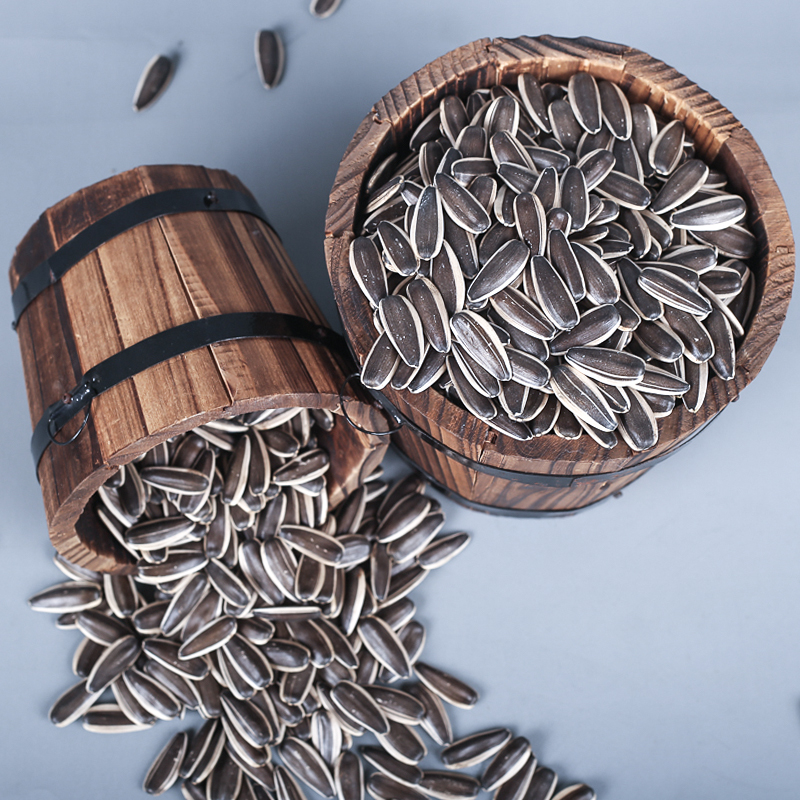
Sugar cube melon seeds, specifically those supplied for industrial agricultural production, represent a critical input for the cucurbit family. These seeds, differing significantly from consumer-grade varieties, are selected for traits optimized for high-yield, uniform maturity, and disease resistance within large-scale farming operations. The industry chain positions suppliers as essential intermediaries between breeding companies and commercial growers. Core performance characteristics center around germination rate, seed vigor (measured by seedling growth rate and strength), genetic purity, and resistance to seed-borne pathogens. A key industry pain point revolves around maintaining consistent seed quality across batches, impacting yield predictability for farmers and necessitating rigorous quality control protocols throughout the supply chain. The increasing demand for consistent fruit size and sugar content further elevates the importance of seed genetic stability and the supplier’s ability to provide detailed phenotyping data.
Material Science & Manufacturing
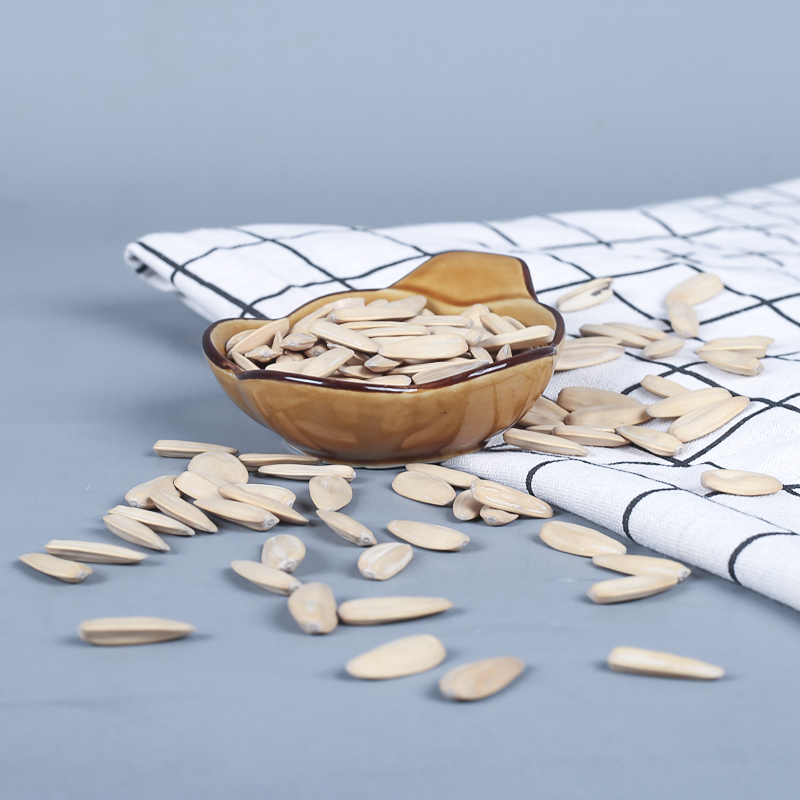
The raw material, Cucumis melo seeds, undergoes a complex maturation process affecting their chemical and physical properties. Seeds are composed of approximately 40-50% oil (primarily linoleic and oleic acids), 20-30% protein, 15-20% carbohydrates (primarily starch), and 5-10% moisture. The seed coat, composed of cellulose, lignin, and suberin, provides physical protection and regulates gas exchange. Manufacturing begins with seed harvesting, typically mechanical, followed by cleaning to remove debris and damaged seeds. Drying is crucial, reducing moisture content to 7-8% to ensure long-term viability; this is often achieved using controlled-temperature air drying. Subsequent grading separates seeds by size and weight, reflecting maturity and vigor. Seed treatment is a critical step, often involving fungicide and insecticide coatings (e.g., thiram, captan, imidacloprid) to protect against soil-borne pathogens and early insect pests. Polymer coating, utilizing polymers like polyethylene glycol (PEG) or polyvinyl alcohol (PVA), improves seed flowability, protects treatment chemicals, and can even incorporate micronutrients. Parameter control during drying (temperature, humidity, airflow) is paramount, as overheating can denature proteins and reduce germination rates. Seed coating uniformity, monitored by image analysis, is also vital for consistent chemical application.
Performance & Engineering
Seed performance is governed by several key engineering principles. Germination rate, typically expressed as a percentage, is a function of seed viability and environmental conditions (temperature, moisture, oxygen). Seed vigor, more nuanced than germination rate, assesses the seedling's ability to establish rapidly and withstand stress. This is often evaluated using accelerated aging tests (exposing seeds to high temperature and humidity) or cold germination tests. Force analysis, particularly relating to seed coat strength, influences seedling emergence. A too-weak seed coat can lead to premature radicle protrusion and susceptibility to mechanical damage. Environmental resistance focuses on the seed’s ability to withstand temperature fluctuations, drought stress, and salinity. Compliance requirements are increasingly stringent, encompassing regulations regarding pesticide residues (e.g., Maximum Residue Limits - MRLs established by the Codex Alimentarius Commission) and genetically modified organisms (GMO labeling requirements in various countries). Functional implementation involves precise seed metering during planting (critical for automated planting systems) and ensuring the compatibility of seed coatings with different soil types and planting equipment.
Technical Specifications
| Parameter | Unit | Specification | Test Method |
|---|---|---|---|
| Germination Rate | % | ≥ 90 | ISTA Method 200 |
| Purity | % | ≥ 98 | ISTA Method 201 |
| Moisture Content | % | 7.0 – 8.5 | ISTA Method 203 |
| Seed Vigor (Cold Germination) | % | ≥ 75 | ISTA Method 208 |
| Seed Size (1000-seed weight) | g | 10 – 15 | ISTA Method 204 |
| Seed-Borne Pathogen Incidence (Fusarium oxysporum f. sp. melonis) | % | ≤ 1 | Agar Plate Method |
Failure Mode & Maintenance
Failure modes for sugar cube melon seeds can be categorized as pre-planting, during-planting, and post-planting. Pre-planting failures include inadequate storage conditions (high temperature/humidity leading to reduced viability), damage during transport, and improper seed coating application (uneven coverage, chemical leaching). During-planting failures relate to seed damage by planting equipment (cracking, chipping), poor seed-soil contact, and insufficient moisture. Post-planting failures involve susceptibility to damping-off (caused by Pythium or Rhizoctonia fungi), insect attack, and physiological stress (drought, salinity). Failure analysis involves evaluating germination rates, seedling vigor, and pathological examinations. Maintenance involves stringent quality control at each stage of the supply chain, proper seed storage (cool, dry, dark conditions – ideally 5-10°C and <50% relative humidity), and adherence to recommended planting densities and irrigation schedules. Regular monitoring for seed-borne pathogens and proactive implementation of fungicide treatments are also crucial preventative measures. Seed lot traceability, using batch numbers, is essential for identifying and addressing quality issues.
Industry FAQ
Q: What are the key differences between hybrid and open-pollinated sugar cube melon seeds, and how does that affect seed pricing and performance?
A: Hybrid seeds are produced by crossing two distinct inbred lines, resulting in first-generation (F1) hybrids exhibiting superior vigor, yield, and uniformity due to heterosis (hybrid vigor). However, seeds saved from F1 hybrids will not breed true; they will segregate in the next generation. Open-pollinated seeds, conversely, are produced by natural pollination and will breed true, meaning seeds saved from these plants will produce offspring with similar characteristics. Hybrid seeds command a higher price due to the investment in breeding and inbred line maintenance, but their superior performance often justifies the cost, especially in commercial operations prioritizing consistent high yields.
Q: How do seed suppliers ensure consistent genetic purity and minimize off-types within a seed lot?
A: Genetic purity is maintained through rigorous inbreeding and selection processes during breeding program development. Field inspections are conducted throughout the seed production process to identify and remove off-types (plants not conforming to the desired traits). Molecular markers are increasingly used to verify genetic identity and purity. Seed lots are also subjected to grow-out tests – planting a sample of seeds and evaluating the performance of the resulting plants – to confirm genetic consistency.
Q: What is the role of seed treatment in mitigating risks associated with seed-borne diseases?
A: Seed treatment provides a prophylactic layer of protection against seed-borne and soil-borne pathogens. Fungicides are applied to the seed coat to control diseases like Fusarium wilt, powdery mildew, and damping-off. Insecticides protect against early-season insect pests. Seed treatment reduces the need for foliar applications of pesticides, minimizing environmental impact and reducing production costs. However, proper seed treatment requires careful selection of chemicals, appropriate application rates, and compatibility with other seed coatings.
Q: What are the industry best practices for seed storage to maximize longevity and maintain germination rates?
A: Optimal seed storage involves maintaining low temperature (5-10°C), low humidity (<50% relative humidity), and darkness. Seeds should be stored in airtight containers to prevent moisture absorption. Avoid fluctuations in temperature and humidity. Regular monitoring of seed moisture content is recommended. Long-term storage may benefit from the use of desiccant materials. Avoid storing seeds near sources of heat, light, or chemicals.
Q: How are seed suppliers adapting to increasing regulatory scrutiny regarding pesticide use and GMO labeling?
A: Suppliers are actively investing in developing seed treatments with reduced pesticide loads and exploring alternative disease control strategies, such as biological control agents. They are implementing robust traceability systems to ensure compliance with GMO labeling requirements in different markets. Many suppliers are also focusing on developing non-GMO varieties to meet the growing demand for organic and sustainably produced crops. Continuous monitoring of evolving regulations is essential.
Conclusion
The supply of high-quality sugar cube melon seeds is fundamental to the success of commercial melon production. Maintaining consistent genetic purity, ensuring optimal seed vigor, and adhering to stringent quality control protocols are critical for maximizing yields and minimizing risks for growers. The integration of advanced technologies, such as molecular markers and precision seed coating techniques, is driving continuous improvements in seed performance and resilience.
Looking ahead, the industry will likely see increased emphasis on developing seeds adapted to climate change, with enhanced tolerance to drought, heat, and salinity. Sustainable seed production practices, minimizing pesticide use and promoting biodiversity, will also become increasingly important. Collaboration between breeders, seed suppliers, and growers will be essential for addressing these challenges and ensuring a stable supply of high-quality seeds for the future.
