Introduction
Sugar cube melon seeds, formally designated Cucumis melo var. reticulatus saccharinus, represent a specialized horticultural product gaining prominence within the global agricultural market. This product differs significantly from traditional melon seed production, focusing on cultivars specifically bred for enhanced sugar content post-germination and subsequent fruit development. The technical position within the agricultural supply chain places sugar cube melon seeds firmly within the pre-production phase, necessitating rigorous quality control of genetic purity, seed viability, and disease resistance. Core performance characteristics are defined by germination rate, seedling vigor, fruit sugar accumulation (measured in Brix), and susceptibility to common melon diseases. Addressing industry pain points concerning inconsistent seed quality, low germination in varied climates, and vulnerability to fungal pathogens is paramount for producers aiming to establish market leadership.
Material Science & Manufacturing
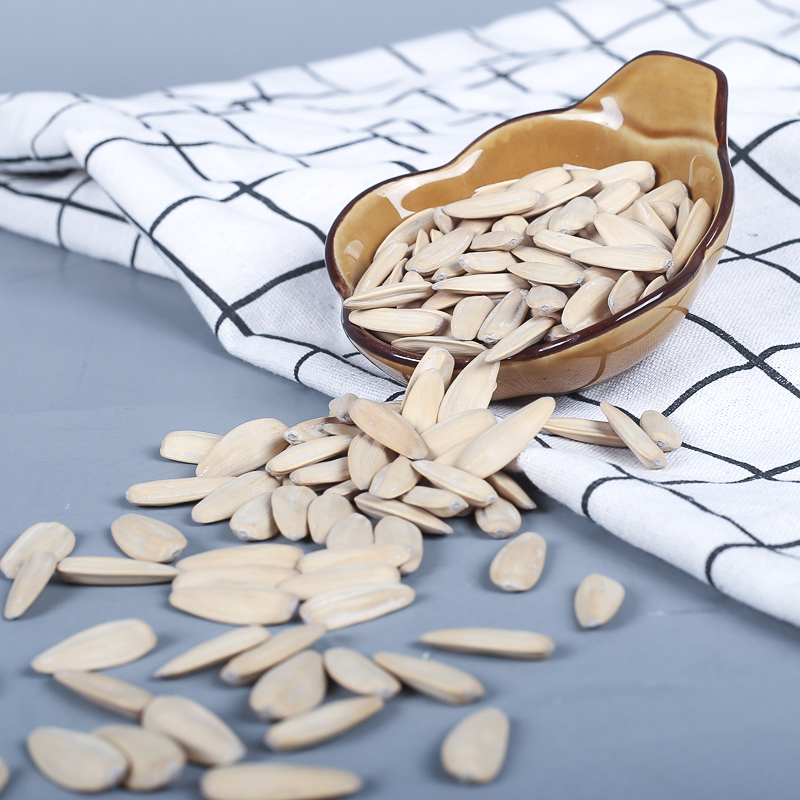
The foundation of sugar cube melon seed production lies in the careful selection and preservation of genetic material. Seeds consist of three primary components: the embryo (the plant itself), the endosperm (nutritive tissue), and the seed coat (protective outer layer). The seed coat’s composition is predominantly cellulose and lignin, providing structural integrity and resistance to environmental stressors. Manufacturing initiates with hybridization, selecting parent lines exhibiting desired traits – high sugar content, disease resistance, and adaptability. Controlled pollination techniques are utilized to ensure genetic purity. Post-harvest, seeds undergo a multi-stage processing sequence. Initial cleaning removes debris and non-viable seeds using a combination of sieving, air separation, and magnetic separation (to remove metallic contaminants). Subsequent drying is critical, typically employing controlled-temperature drying chambers to reduce moisture content to approximately 7-8%, inhibiting fungal growth and preserving viability. Seed coating often incorporates fungicides and insecticides, utilizing polymer matrices for controlled release. Parameter control during drying is paramount; excessive temperatures degrade protein structures, reducing germination rates. Seed coatings must demonstrate compatibility with the seed’s physiological processes, avoiding inhibition of respiration or water uptake. Storage conditions – low temperature (4-10°C) and low humidity – are vital for long-term viability.
Performance & Engineering
Performance evaluation of sugar cube melon seeds centers on germination rate, seedling vigor, and fruit quality characteristics. Germination rate is typically assessed under controlled laboratory conditions (25-30°C, high humidity) using standardized germination tests (ISTA rules). Seedling vigor, assessed through radicle and plumule length measurements, indicates the seed’s ability to establish rapidly. Engineering considerations encompass optimal seeding density, irrigation strategies, and fertilization regimes. Fruit sugar accumulation (Brix) is heavily influenced by environmental factors – sunlight exposure, temperature, and water availability – requiring careful monitoring and management. Disease resistance is evaluated through inoculation trials with common melon pathogens such as Fusarium oxysporum and Colletotrichum orbiculare. Compliance requirements include adherence to phytosanitary regulations to prevent the spread of plant diseases and pests. Soil composition and pH levels play a crucial role, with optimal ranges varying depending on the specific cultivar. Force analysis isn’t directly applicable to the seeds themselves, but impacts harvesting and post-harvest handling of mature fruit; structural integrity of the fruit needs to withstand mechanical stresses. Environmental resistance considerations include tolerance to temperature fluctuations, drought stress, and salinity.
Technical Specifications
| Parameter | Unit | Specification | Test Method |
|---|---|---|---|
| Germination Rate | % | ≥ 90 | ISTA Standard |
| Seed Moisture Content | % | 7-8 | Oven Drying Method |
| Purity | % | ≥ 98 | Seed Blow Test |
| Seed Weight (1000 seeds) | g | 150-180 | Weight Scale Measurement |
| Inert Substance | % | ≤ 2 | Visual Inspection |
| Disease Incidence (Fusarium) | % | ≤ 1 | Agar Plate Assay |
Failure Mode & Maintenance
Failure modes in sugar cube melon seed production can be categorized into pre-germination, germination, and post-germination failures. Pre-germination failures stem from poor seed quality – low genetic viability, mechanical damage during processing, or inadequate storage conditions. Germination failures arise from insufficient moisture, unfavorable temperatures, or the presence of seed-borne pathogens. Post-germination failures include seedling damping-off (caused by Pythium and Rhizoctonia species), poor seedling vigor leading to stunted growth, and susceptibility to viral diseases. Failure analysis reveals that fungal contamination is a primary cause of seed deterioration, leading to reduced germination rates and seedling mortality. Seed coating degradation can also contribute to failure, exposing the seed to pathogens. Maintenance practices should focus on rigorous quality control throughout the entire production process. This includes regular monitoring of seed storage conditions, implementing effective sanitation protocols to prevent fungal contamination, and employing seed treatments to protect against common pathogens. Proper ventilation within storage facilities is critical to prevent moisture buildup. Seed lots should be tested periodically for viability and disease incidence, and any compromised lots should be discarded.
Industry FAQ
Q: What is the impact of seed coating composition on germination rates, and what polymers are commonly used?
A: Seed coating composition significantly influences germination. The polymer matrix must be permeable to water and oxygen, allowing for imbibition and respiration. Commonly used polymers include polyethylene glycol (PEG), polyvinyl alcohol (PVA), and various polysaccharide-based materials. Incorrect polymer selection or excessive coating thickness can inhibit germination. The inclusion of incompatible fungicides or insecticides can also negatively affect seed viability.
Q: How do you ensure genetic purity in hybrid seed production, and what methods are used for quality control?
A: Genetic purity is ensured through controlled pollination techniques – emasculation (removal of male parts) followed by manual pollination with pollen from the desired parent line. Quality control involves field inspections to verify cross-pollination success, molecular marker analysis (PCR) to confirm hybridity, and grow-out tests to assess the uniformity of subsequent generations.
Q: What are the optimal storage conditions for maintaining seed viability over extended periods (e.g., 1-2 years)?
A: Optimal storage conditions are low temperature (4-10°C) and low relative humidity (50-60%). Seeds should be stored in airtight containers to prevent moisture absorption. Periodic monitoring of seed moisture content and viability is recommended. Avoid exposure to direct sunlight and fluctuating temperatures.
Q: How are seed-borne diseases detected and managed, and what preventative measures are typically employed?
A: Seed-borne diseases are detected through laboratory testing – agar plate assays, ELISA tests, and PCR-based detection methods. Management strategies include seed treatments with fungicides, use of disease-resistant cultivars, and strict sanitation protocols throughout the production process. Preventative measures include sourcing seeds from certified disease-free sources and implementing robust quality control programs.
Q: What is the significance of Brix levels in sugar cube melon seeds, and how is this trait genetically controlled?
A: Brix levels indicate the sugar content of the fruit, a critical quality attribute. This trait is polygenic, meaning it’s controlled by multiple genes, making it complex to breed for. Genetic markers associated with sugar accumulation are being actively researched. Selection during breeding programs focuses on parent lines with naturally high Brix values and favorable inheritance patterns.
Conclusion
The production of high-quality sugar cube melon seeds requires a comprehensive understanding of material science, meticulous manufacturing processes, and rigorous quality control procedures. Addressing industry pain points related to seed viability, disease resistance, and consistent fruit sugar content is crucial for maintaining a competitive edge. The long-term success of sugar cube melon seed manufacturers depends on continuous improvement in breeding techniques, optimized storage conditions, and adherence to stringent phytosanitary regulations.
Future trends in the industry will likely focus on developing cultivars with enhanced tolerance to abiotic stresses (drought, salinity), utilizing precision agriculture technologies for optimized seed production, and leveraging genomic selection to accelerate breeding programs. Maintaining a commitment to sustainable agricultural practices and responsible seed stewardship will also be paramount.
