Introduction
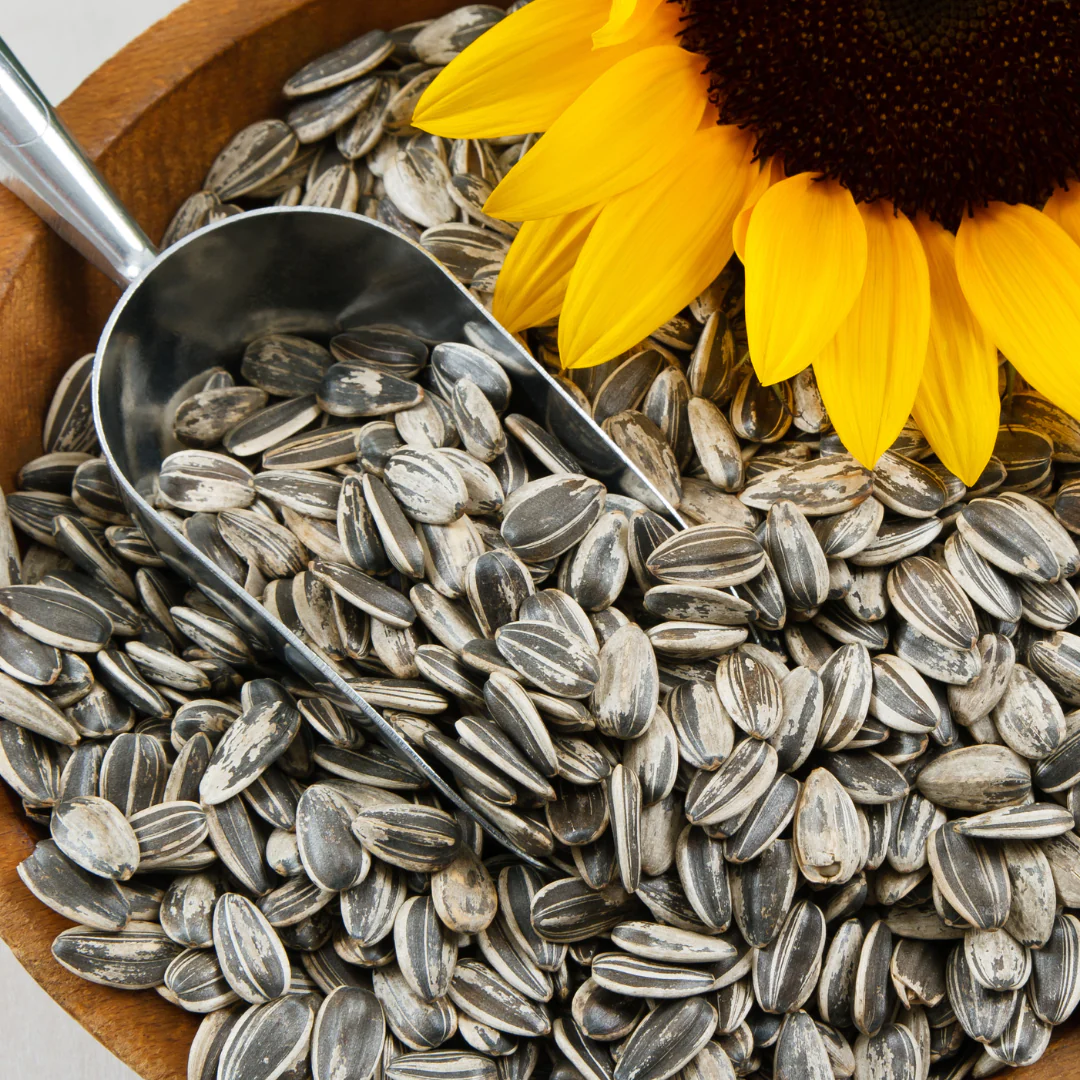
Sugar cube melon seeds, specifically those destined for export, represent a specialized niche within the agricultural commodity market. These seeds, typically from varieties yielding small, intensely sweet melons, are selected for high germination rates, uniform size, and exceptional genetic purity. Their position in the industry chain is as a primary agricultural input, serving both commercial farming operations and home gardeners globally. Core performance characteristics center around seed viability, disease resistance, and the resulting fruit yield and quality. The primary pain point for exporters lies in maintaining seed integrity during long-distance transport, complying with stringent phytosanitary regulations across various importing countries, and ensuring consistent seed quality to meet diverse customer expectations. Post-harvest handling and storage protocols are critical to prevent seed deterioration and maintain market competitiveness. Successful exporters must navigate complex logistical challenges while upholding high standards of seed quality and traceability.
Material Science & Manufacturing
The material science of sugar cube melon seeds centers around the composition of the seed coat (testa) and the endosperm, which provide nutrients for germination. The testa primarily consists of cellulose, hemicellulose, and lignin, providing a protective barrier against physical damage and microbial attack. Its permeability dictates water uptake for imbibition, a critical step in germination. The endosperm is rich in starches, proteins, and oils – essential energy reserves. Manufacturing, in this context, encompasses seed selection, processing, and packaging. Selection relies on rigorous quality control measures, including physical grading (size and weight) and germination testing. Processing involves drying the seeds to a specific moisture content (typically 7-8%) to maximize longevity. Drying methods range from sun-drying (less controlled) to controlled-environment drying (more precise). Precise temperature and humidity control are paramount to prevent cracking or denaturation of seed proteins. Seed treatment with fungicides or insecticides is common, requiring careful adherence to regulatory standards. Packaging materials must provide a moisture barrier and protect seeds from physical damage during transit. Seed viability is acutely sensitive to temperature fluctuations. Maintaining a temperature below 15°C is crucial for long-term storage. Chemical compatibility between the seed coat and any applied treatments or packaging materials is a vital consideration to avoid germination inhibition. Furthermore, seed morphology, including length, width, and thickness, impacts planting precision and seedling emergence.
Performance & Engineering
Performance evaluation of sugar cube melon seeds focuses on several key engineering parameters. Germination rate, expressed as a percentage, is the primary indicator of seed viability and is subjected to standardized testing protocols (ISTA rules). Seed vigor, a measure of seedling growth potential, is assessed through accelerated aging tests and seedling growth evaluations. Environmental resistance is crucial; seeds must withstand temperature extremes, humidity fluctuations, and potential exposure to pathogens. This necessitates rigorous testing under controlled stress conditions. Force analysis relates to the impact resistance of the seed coat during handling and transportation. The seed coat's tensile strength and elasticity determine its ability to withstand mechanical stress. Compliance requirements are substantial. International Plant Protection Convention (IPPC) standards dictate phytosanitary treatments to prevent the spread of plant diseases. Specific importing countries have additional regulations regarding seed quality, labeling, and documentation. Functional implementation involves optimizing seed sowing depth and spacing based on the variety and growing conditions. Seed coating technology is employed to enhance germination, provide pest/disease protection, and improve handling characteristics. The coating material's permeability to water and oxygen is a critical design parameter. Furthermore, the genetic uniformity of the seed lot significantly impacts the consistency of fruit yield and quality, affecting overall farm profitability.
Technical Specifications
| Parameter | Unit | Standard Value | Test Method |
|---|---|---|---|
| Germination Rate | % | ≥ 85 | ISTA Procedure |
| Moisture Content | % | 7 - 8 | Oven Drying Method |
| Purity | % | ≥ 98 | Visual Inspection & Seed Counting |
| Seed Vigor Index | - | ≥ 70 | Accelerated Aging Test |
| Inert Substance | % | ≤ 2 | Visual Inspection & Weight Analysis |
| Seed Size (Length) | mm | 5-7 | Calipers Measurement |
Failure Mode & Maintenance
Failure modes in sugar cube melon seeds can be categorized as pre-sowing and post-sowing. Pre-sowing failures include low germination rates due to improper storage (high temperature, humidity), mechanical damage during handling, or contamination with pathogens. Seed dormancy, induced by physiological factors, can also lead to delayed or failed germination. Post-sowing failures stem from unfavorable environmental conditions (soil temperature, moisture), pest or disease attack, or genetic defects. Fatigue cracking of the seed coat can occur during shipping, reducing water uptake and hindering germination. Delamination of the seed coat can also compromise seed integrity. Degradation of the endosperm’s nutrient reserves reduces seedling vigor. Oxidation of seed oils can lead to rancidity and reduced germination. Maintenance focuses on optimal storage conditions: cool (below 15°C), dry (relative humidity below 60%), and dark environments. Regular monitoring of seed moisture content is crucial. Implementing a First-In, First-Out (FIFO) inventory management system minimizes storage duration. Preventative measures include seed treatment with appropriate fungicides and insecticides, adhering to strict hygiene protocols during processing and packaging, and utilizing robust packaging materials to protect against physical damage and moisture ingress. Periodic germination testing should be conducted to assess seed viability over time. Properly labeled and dated storage containers are essential for traceability and effective inventory control.
Industry FAQ
Q: What is the acceptable tolerance for seed moisture content variation during long-term storage?
A: The acceptable tolerance for moisture content variation is ±1% from the target range of 7-8%. Exceeding this tolerance can lead to significant reductions in germination rate and vigor. Regular monitoring and controlled storage environments are critical to maintaining moisture content within acceptable limits.
Q: How do different packaging materials (e.g., foil, paper, plastic) impact seed longevity?
A: Foil provides the best moisture barrier but can be expensive. Paper offers limited protection and is prone to moisture absorption. Plastic, particularly polyethylene, is a cost-effective option but requires careful selection of film thickness and barrier properties. The ideal packaging material balances cost, moisture protection, and gas permeability.
Q: What phytosanitary treatments are typically required for exporting sugar cube melon seeds to the European Union?
A: The European Union typically requires heat treatment or chemical treatment with approved fungicides/insecticides to eliminate potential pests and pathogens. Specific requirements vary depending on the origin country and the destination member state. A phytosanitary certificate issued by a recognized national plant protection organization is mandatory.
Q: How is seed vigor assessed, and what does a low vigor index indicate?
A: Seed vigor is assessed through accelerated aging tests, where seeds are exposed to controlled stress conditions (high temperature and humidity). A low vigor index indicates reduced seedling growth potential, even if germination rate is acceptable. This suggests that the seeds may be susceptible to stress in the field and result in uneven crop establishment.
Q: What are the implications of seed lot genetic purity for the final crop quality?
A: High genetic purity ensures uniformity in fruit characteristics (size, shape, sweetness, color). Low genetic purity can lead to variability in the crop, affecting marketability and potentially reducing yield. Reputable exporters prioritize sourcing seeds from breeders with robust quality control procedures.
Conclusion
The successful export of sugar cube melon seeds hinges on a comprehensive understanding of their material science, rigorous quality control throughout the manufacturing process, and adherence to stringent international standards. Maintaining optimal storage conditions is paramount for preserving seed viability and vigor. Addressing the industry's pain points—seed integrity during transport, phytosanitary compliance, and consistent quality—requires a proactive approach to risk management and investment in advanced seed technology.
Looking ahead, advancements in seed coating technology and precision agriculture will further enhance seed performance and optimize crop yields. Continuous monitoring of seed quality through periodic testing and data analysis is crucial for maintaining competitiveness in the global market. Collaboration between exporters, breeders, and regulatory bodies is essential for developing and implementing best practices that ensure the sustainable production and distribution of high-quality sugar cube melon seeds.
