Introduction
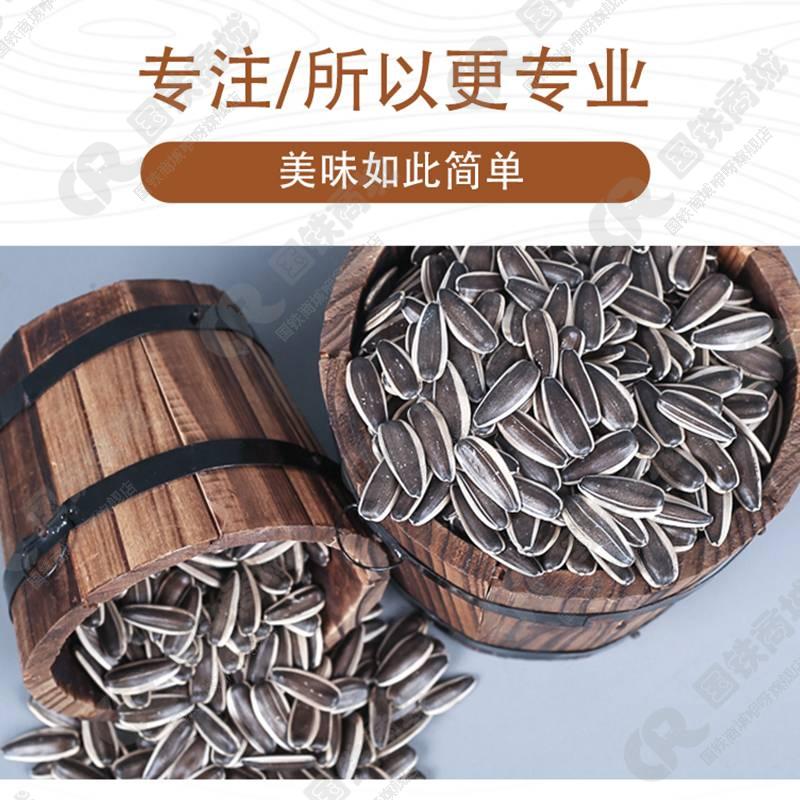
Sugar cube melon seeds, increasingly popular in international markets, represent a specialized segment within the agricultural export industry. These seeds, typically sourced from Cucumis melo varieties bred for concentrated sweetness and texture, are utilized primarily for confectionary purposes, direct consumption as a snack, and increasingly, in novel food applications. This technical guide provides an in-depth exploration of the science, engineering, and quality control considerations critical for exporters specializing in this product. The position of sugar cube melon seed exporters within the global supply chain involves careful management of seed genetics, optimized agricultural practices, sophisticated post-harvest processing, and adherence to stringent international phytosanitary and food safety regulations. Core performance characteristics center around seed viability, sugar content (measured in Brix), seed coat integrity, and freedom from contaminants, all of which significantly impact market value and consumer acceptance. A key industry pain point revolves around maintaining consistent seed quality across different growing seasons and geographical origins, alongside mitigating risks associated with fungal infections and pest infestations during storage and transit.
Material Science & Manufacturing
The fundamental material science of sugar cube melon seeds centers on the seed coat composition and endosperm characteristics. The seed coat, primarily composed of cellulose, hemicellulose, and lignin, provides physical protection and regulates gas exchange. Its tensile strength and permeability directly impact storability. The endosperm, rich in carbohydrates (primarily sucrose, fructose, and glucose), proteins, and lipids, determines the seed’s nutritional value and sweetness. Manufacturing begins with careful selection of parent plants exhibiting desirable traits (high sugar content, uniform seed size, disease resistance). Seed harvesting typically occurs at physiological maturity. Post-harvest processing involves cleaning, drying (critical to reduce moisture content to ≤8% to prevent fungal growth), grading (based on size and visual quality), and often, a polishing step to enhance appearance. Key parameter control during drying is paramount: excessively high temperatures can denature proteins and reduce viability, while insufficient drying promotes spoilage. Controlled atmosphere storage (low temperature and humidity) is frequently employed to extend shelf life. Furthermore, seed coating with antifungal agents (approved for food use, as per local regulations) can enhance protection during storage and transit. Understanding the Maillard reaction – the chemical reaction between amino acids and reducing sugars – is crucial, as it impacts seed color and flavor development during storage, potentially leading to undesirable browning or off-flavors.

Performance & Engineering
Performance engineering for sugar cube melon seeds focuses on maintaining viability during transportation and storage. Force analysis is relevant during handling and packaging; seeds must withstand impacts without cracking or damaging the seed coat. Environmental resistance is critical, specifically concerning temperature and humidity fluctuations. Exposure to high humidity can lead to moisture absorption, promoting fungal growth and reducing viability. Temperature extremes can induce dormancy breaking or, conversely, protein denaturation. Compliance requirements necessitate adherence to phytosanitary regulations (e.g., ISPM No. 33) to prevent the spread of pests and diseases. Furthermore, food safety standards (e.g., HACCP, GMP) must be implemented throughout the entire process, from seed selection to packaging. Functional implementation involves optimizing packaging materials to provide a barrier against moisture, oxygen, and light. Seed density, measured in grams per milliliter, is a key parameter affecting settling rates during processing and packaging. The impact resistance of the seed coat is quantified via drop tests, assessing the percentage of seeds that remain undamaged after being dropped from a specified height onto a hard surface. Long-term storage stability is evaluated using accelerated aging tests, exposing seeds to elevated temperatures and humidity to simulate prolonged storage periods.
Technical Specifications
| Parameter | Unit | Typical Value | Testing Method |
|---|---|---|---|
| Seed Moisture Content | % | ≤ 8.0 | Oven Drying Method (ISTA) |
| Seed Viability | % | ≥ 90 | Germination Test (ISTA) |
| Total Sugar Content (Brix) | °Bx | 12 - 18 | Refractometry |
| Seed Size (Length) | mm | 8 - 12 | Visual Sorting/Image Analysis |
| Seed Coat Thickness | µm | 50 - 100 | Microscopy |
| Seed Density | g/mL | 1.1 - 1.3 | Pycnometry |
Failure Mode & Maintenance
Failure modes for sugar cube melon seeds commonly include reduced viability due to improper drying or storage conditions, fungal infection (e.g., Botrytis cinerea, Fusarium species) leading to seed decay, insect infestation (e.g., storage beetles), and physical damage (cracking, chipping) during handling. Fatigue cracking of the seed coat can occur due to repeated compression or impact. Delamination – separation of the seed coat layers – can occur with rapid humidity fluctuations. Degradation of the endosperm’s sugar content can result in reduced sweetness and market value. Oxidation of lipids within the endosperm can lead to rancidity and off-flavors. Maintenance involves implementing a robust quality control program, including regular monitoring of seed moisture content, viability testing, and inspection for fungal or insect contamination. Proper storage facilities should maintain low temperature (≤15°C) and humidity (≤60%). Seed lots should be rotated based on a "first-in, first-out" (FIFO) principle. Preventative fungicide treatments (approved for food use) can be applied during post-harvest processing. Packaging materials should be regularly inspected for integrity, and damaged containers should be replaced immediately. Periodic sanitation of storage facilities is essential to prevent pest infestations. Implementing a traceability system allows for rapid identification and recall of affected seed lots in case of quality issues.
Industry FAQ
Q: What is the optimal moisture content for long-term storage of sugar cube melon seeds?
A: The optimal moisture content for long-term storage is consistently below 8.0%, ideally between 6.0% and 7.0%. Higher moisture levels promote fungal growth and reduce viability. Monitoring moisture content regularly throughout storage is crucial.
Q: How does seed size affect the market value of sugar cube melon seeds?
A: Uniform seed size is generally preferred by confectionary manufacturers as it ensures consistent processing and product appearance. Larger seeds, within a specified range, often command a higher price due to their greater sugar content. Grading seeds by size is a common practice.
Q: What are the common fungal contaminants that affect sugar cube melon seeds, and how can they be prevented?
A: Botrytis cinerea and Fusarium species are common fungal contaminants. Prevention involves proper drying, controlled atmosphere storage, preventative fungicide treatments (approved for food use), and sanitation of storage facilities. Regular inspection for signs of fungal growth is also essential.
Q: What phytosanitary certifications are typically required for exporting sugar cube melon seeds?
A: Typically, a phytosanitary certificate issued by the national plant protection organization of the exporting country is required. Compliance with ISPM No. 33 (International Standards for Phytosanitary Measures) regarding wood packaging is also essential to prevent the spread of pests.
Q: What packaging materials are recommended to maintain seed viability during long-distance transport?
A: Multi-layer packaging is recommended, incorporating a moisture barrier (e.g., aluminum foil laminate), an oxygen barrier, and a UV-protective layer. High-density polyethylene (HDPE) bags or flexible intermediate bulk containers (FIBCs) are commonly used for larger quantities.
Conclusion
The successful export of sugar cube melon seeds hinges on a meticulous understanding of the interplay between material science, agricultural practices, and post-harvest handling. Maintaining optimal seed quality – defined by high viability, consistent sugar content, and freedom from contaminants – requires stringent control throughout the entire supply chain. The industry’s key challenges center around mitigating risks associated with environmental factors, fungal infections, and insect infestations.
Future advancements in seed coating technologies, optimized storage solutions (e.g., modified atmosphere packaging), and improved genetic selection for disease resistance will likely further enhance the stability and marketability of this specialized agricultural product. Continuous monitoring of international standards and regulations is also crucial for ensuring compliance and maintaining access to key export markets.
