Introduction
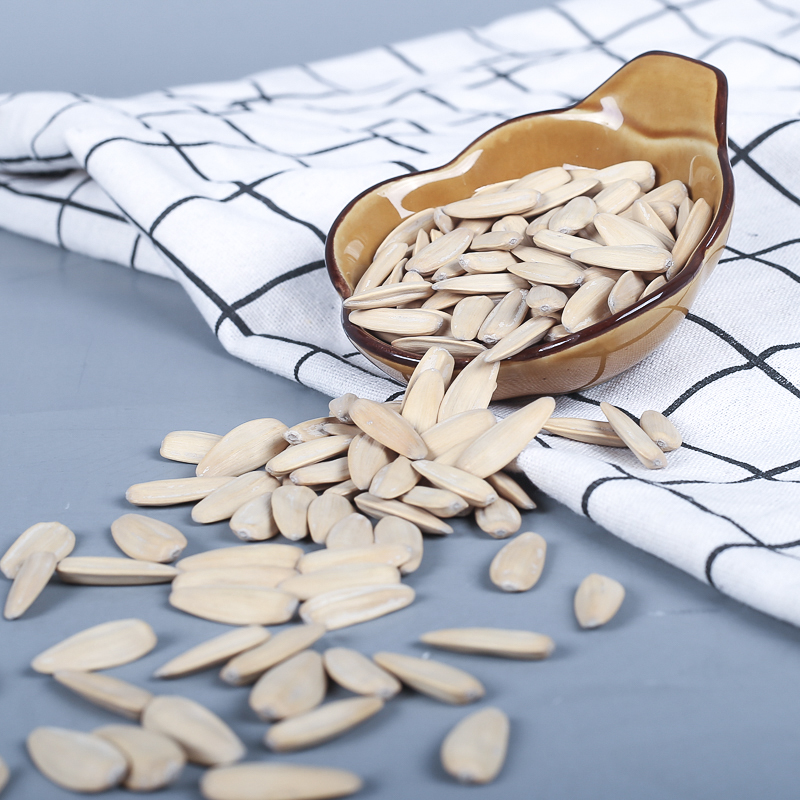
Snap melon seeds (Cucurbita pepo var. styriaca) represent a significant agricultural commodity with increasing global demand. Suppliers specializing in these seeds operate within a complex supply chain encompassing agricultural production, processing, quality control, and distribution. This guide provides a comprehensive technical overview of snap melon seeds, focusing on their botanical properties, processing standards, performance characteristics critical for food and agricultural applications, and potential failure modes impacting shelf life and germination rates. The current market exhibits a growing focus on seed quality, genetic purity, and sustainable sourcing, driven by consumer demands for healthy snacks and agricultural advancements in breeding programs. Understanding these factors is crucial for procurement managers and engineers involved in seed sourcing, processing equipment selection, and quality assurance protocols. The product's utility extends beyond direct consumption to include oil extraction, a factor impacting processing methodologies and quality specifications.
Material Science & Manufacturing
Snap melon seeds are primarily composed of lipids (40-50% by weight), proteins (20-25%), carbohydrates (10-15%), and moisture (5-10%). The lipid fraction consists largely of linoleic acid and oleic acid, contributing to the seed's nutritional value and oil-yielding potential. The seed coat, composed of cellulose and lignin, provides physical protection and impacts germination rates. Manufacturing begins with agricultural cultivation, heavily influenced by soil composition, climate, and irrigation practices. Harvesting is typically mechanical, followed by drying to reduce moisture content to approximately 8-10% for safe storage. Crucially, drying temperature must be carefully controlled (typically below 45°C) to prevent lipid oxidation and protein denaturation. Cleaning processes involve removing debris, damaged seeds, and foreign materials using sieving, air separation, and magnetic separation techniques. Grading is performed based on seed size, weight, and visual quality. The final stage often includes treatment with fungicides or insecticides, subject to regulatory compliance, to ensure seed health and prevent pest infestation during storage and transportation. Seed dormancy is controlled through post-harvest processing, with some varieties requiring stratification or scarification to promote germination.
Performance & Engineering
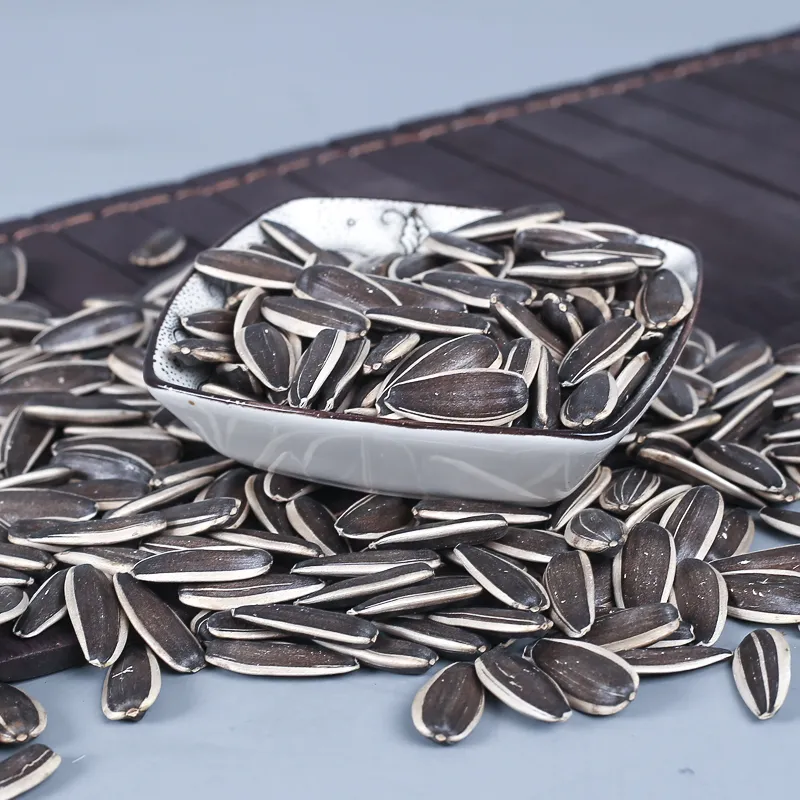
The performance of snap melon seeds is evaluated based on several key parameters: germination rate, seedling vigor, oil content, and nutritional composition. Germination rate, measured under controlled laboratory conditions, is typically >85% for high-quality seeds. Seedling vigor, assessed by root length and shoot height, indicates the seed’s capacity to establish healthy plants. Oil content, determined via Soxhlet extraction, directly impacts the economic value of the seeds. Engineering considerations focus on optimizing processing equipment to minimize seed damage during cleaning, drying, and grading. Force analysis during shelling (for seeds intended for consumption) is important to avoid kernel fracturing, affecting appearance and quality. Environmental resistance primarily concerns storage stability. High temperatures and humidity accelerate lipid oxidation and fungal growth, reducing shelf life. Packaging materials with low oxygen transmission rates (OTR) and moisture vapor transmission rates (WVTR) are crucial for maintaining seed quality. Compliance requirements include adherence to seed certification standards (e.g., OECD Seed Schemes), phytosanitary regulations, and food safety standards (e.g., HACCP).
Technical Specifications
| Parameter | Unit | Typical Value | Acceptable Range |
|---|---|---|---|
| Moisture Content | % | 8.5 | 7.0 - 10.0 |
| Germination Rate | % | 90 | >85 |
| Oil Content | % (Dry Weight Basis) | 45 | 40 - 50 |
| Protein Content | % (Dry Weight Basis) | 22 | 20 - 25 |
| Seed Size (Length) | mm | 12 | 10 - 15 |
| 1000-Seed Weight | g | 60 | 50 - 70 |
Failure Mode & Maintenance
Snap melon seeds are susceptible to several failure modes. Lipid oxidation, triggered by exposure to oxygen, light, and elevated temperatures, leads to rancidity and reduced oil quality. Fungal contamination, particularly during storage in humid environments, can result in mycotoxin production, rendering the seeds unfit for consumption. Physical damage during processing (e.g., cracking, chipping) reduces seed quality and germination rates. Insect infestation can cause significant losses during storage. Genetic degradation, resulting from repeated propagation without selective breeding, can lead to reduced germination rates and lower yields. Maintenance of seed quality requires optimal storage conditions: low temperature (<10°C), low humidity (<60% RH), and protection from light. Regular monitoring of moisture content and fungal growth is essential. Implementation of a robust pest control program and adherence to seed certification standards are critical for preventing failures. Periodic viability testing (germination tests) should be conducted to assess seed quality over time. Proper stock rotation (FIFO - First In, First Out) minimizes the risk of long-term storage degradation.
Industry FAQ
Q: What are the primary factors influencing the oil quality of snap melon seeds?
A: Oil quality is primarily influenced by the seed's genetic composition, growing conditions (specifically temperature and sunlight exposure), post-harvest handling (drying temperature, storage conditions), and the presence of antioxidants. Higher linoleic acid content is generally desirable, but susceptibility to oxidation must be mitigated through proper storage and potential antioxidant enrichment.
Q: How does seed moisture content impact long-term storage stability?
A: Moisture content is a critical factor. Higher moisture content accelerates enzymatic activity and fungal growth, leading to seed deterioration. Maintaining moisture content below 8-10% is essential for long-term viability. Regular monitoring and controlled-atmosphere storage are recommended.
Q: What are the common methods for assessing seed purity?
A: Seed purity is assessed through visual inspection for foreign matter, seed size uniformity, and germination tests. Genetic markers and PCR analysis can be employed for more precise determination of varietal purity and the absence of genetically modified organisms (GMOs), depending on regulatory requirements.
Q: What packaging materials are recommended for optimal seed preservation?
A: Packaging materials with low OTR and WVTR are crucial. Foil laminates, metallized polyester films, and multi-layer polyethylene films with barrier properties are commonly used. Vacuum sealing or nitrogen flushing can further reduce oxygen levels and extend shelf life.
Q: What regulatory standards are most relevant for snap melon seed suppliers?
A: Relevant standards include OECD Seed Schemes for seed certification, phytosanitary regulations established by importing countries (e.g., USDA APHIS in the United States, EFSA in Europe), food safety standards (e.g., HACCP, GMP), and regulations concerning pesticide residues and heavy metal content.
Conclusion
Snap melon seeds, as a valuable agricultural product, demand a rigorous understanding of their material science, manufacturing processes, and performance characteristics. Successful sourcing and utilization require careful consideration of seed quality parameters, optimal storage conditions, and adherence to relevant industry standards. The growing emphasis on sustainability and traceability within the agricultural sector necessitates increased transparency throughout the supply chain.
Future advancements in snap melon seed technology will likely focus on developing varieties with enhanced oil content, improved germination rates, and increased resistance to pests and diseases. Optimization of drying and storage techniques, coupled with advanced packaging solutions, will be critical for maintaining seed quality and extending shelf life. Continued research into the genetic composition of snap melon seeds will also enable breeders to develop superior cultivars tailored to specific environmental conditions and consumer preferences.
