Introduction
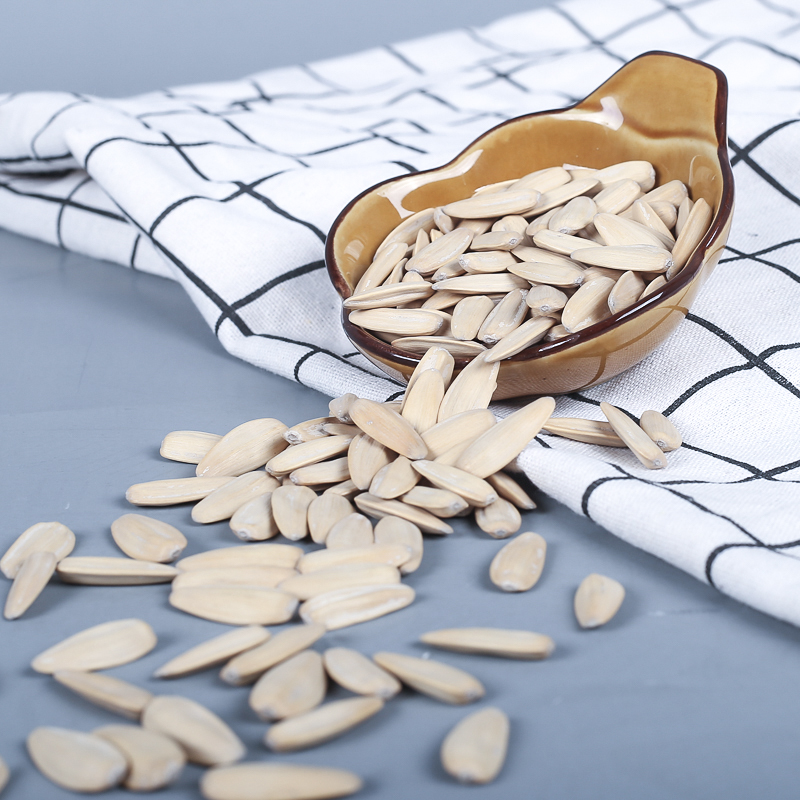
Snap melon seeds, Cucurbita pepo var. styriaca, represent a processed agricultural product gaining prominence in the snack food industry. Technically positioned between raw agricultural commodities and finished consumer goods, their production involves harvesting, drying, shelling, grading, and flavoring. Core performance characteristics revolve around seed integrity (absence of damage), oil content, flavor profile (saltiness, roasting degree), moisture content (influencing shelf life and texture), and freedom from contaminants. The market demand centers on a consistent product offering superior crunch, flavor, and nutritional value, specifically targeting health-conscious consumers seeking plant-based protein and healthy fats. A key industry pain point lies in maintaining consistent quality across batches due to variations in seed maturation, drying techniques, and roasting parameters. Another significant challenge is mitigating the development of rancidity due to lipid oxidation during storage.
Material Science & Manufacturing
The primary raw material, snap melon seeds, is composed of approximately 49-55% oil (primarily linoleic acid), 20-25% protein, 10-15% carbohydrates (mostly fiber), and 5-10% moisture. The seed hull is primarily cellulose and lignin, providing structural integrity. Manufacturing begins with harvesting mature fruits, typically exhibiting a hard rind and fully developed seeds. Seeds are extracted and undergo a washing stage to remove pulp residue. The crucial drying process – often employing hot air ovens or fluidized bed dryers – reduces moisture content from ~70% to 5-8%, inhibiting microbial growth and facilitating shell removal. Control of temperature (50-70°C) and air velocity is critical to prevent cracking and maintain oil quality. Shelling utilizes mechanical impact or abrasion, followed by grading based on size and visual appearance. Roasting, typically at 140-180°C, develops flavor and enhances crispness. The Maillard reaction between amino acids and reducing sugars contributes to the characteristic aroma. Flavoring involves applying salt, spices, or coatings. Packaging materials are selected for their barrier properties against moisture and oxygen, preserving freshness. Quality control at each stage, including near-infrared spectroscopy for oil content analysis and peroxide value determination for oxidation levels, is paramount.

Performance & Engineering
Performance is fundamentally linked to the seed's mechanical properties. Compressive strength dictates resistance to breakage during handling and consumption. Fracture toughness determines the crunchiness perceived by the consumer. Moisture content directly affects these parameters; lower moisture content generally leads to increased brittleness. Environmental resistance focuses on shelf life stability. Lipid oxidation, catalyzed by oxygen, light, and temperature, leads to rancidity, reducing palatability. Packaging materials with low oxygen transmission rates (OTR) are thus essential. Hygroscopicity (water absorption) necessitates moisture barrier properties in packaging to prevent softening and clumping. Compliance requirements involve adherence to food safety regulations (e.g., FDA, EFSA) regarding permissible levels of heavy metals, pesticides, and microbial contaminants. Furthermore, labeling requirements dictate accurate nutritional information and allergen declarations. Force analysis during shelling and roasting operations is employed to optimize equipment settings and minimize seed damage. Finite element analysis (FEA) can be used to model stress distribution during compression, informing seed structure optimization.
Technical Specifications
| Parameter | Unit | Specification | Test Method |
|---|---|---|---|
| Moisture Content | % (w/w) | ≤ 8.0 | AOAC 925.10 |
| Oil Content | % (w/w) | 49 - 55 | Soxhlet Extraction (AOAC 920.39) |
| Peroxide Value | meq O2/kg | ≤ 5.0 | AOCS Cd 8-53 |
| Salt Content | % (w/w) | 1.0 - 2.5 (Adjustable) | Argentometric Titration (AOAC 930.45) |
| Foreign Matter | % (w/w) | ≤ 0.5 | Visual Inspection |
| Broken Kernels | % (w/w) | ≤ 5.0 | Visual Inspection |
Failure Mode & Maintenance
Common failure modes include shell cracking during drying or roasting, leading to kernel damage and reduced quality. Rancidity, driven by lipid oxidation, is a significant degradation pathway, resulting in off-flavors and decreased shelf life. Microbial contamination, particularly mold growth, can occur if moisture content is not adequately controlled. Mechanical damage during handling and packaging can cause kernel breakage and dust formation. Delamination of the seed coat can occur due to thermal stress during roasting. Maintenance strategies focus on optimizing drying and roasting parameters to minimize thermal stress. Proper storage in airtight containers, protected from light and heat, is crucial to prevent rancidity. Regular cleaning of processing equipment prevents cross-contamination. Implementing a robust HACCP (Hazard Analysis and Critical Control Points) system is essential for food safety. Preventative maintenance schedules for roasting and shelling equipment, including bearing lubrication and belt tension adjustments, minimize mechanical failures. Periodic sensory evaluation of stored product is vital to detect early signs of rancidity or contamination.
Industry FAQ
Q: What is the optimal moisture content for long-term storage of snap melon seeds?
A: The optimal moisture content for long-term storage is generally considered to be below 6%. Higher moisture levels accelerate lipid oxidation and increase the risk of microbial growth, significantly reducing shelf life. Maintaining consistent low moisture content requires proper drying procedures and airtight packaging.
Q: How does the roasting temperature affect the flavor profile and oil stability?
A: Higher roasting temperatures (above 180°C) lead to a more intense roasted flavor but also accelerate lipid oxidation, reducing oil stability and potentially creating undesirable off-flavors. Lower temperatures (140-160°C) result in a milder flavor and better oil retention, but may require longer roasting times. Finding the optimal balance is crucial.
Q: What packaging materials are best suited for preserving the quality of snap melon seeds?
A: Packaging materials with low oxygen transmission rates (OTR) and moisture vapor transmission rates (WVTR) are essential. Multi-layer films incorporating aluminum foil or metallized polyester provide excellent barrier properties. Modified atmosphere packaging (MAP) with nitrogen flushing can further reduce oxygen levels, extending shelf life.
Q: How can we minimize the occurrence of cracked kernels during the drying process?
A: Cracking can be minimized by carefully controlling the drying temperature and air velocity. Gradual drying at lower temperatures reduces thermal stress. Using a fluidized bed dryer provides more uniform drying and minimizes localized overheating. Seed variety and maturity level also influence susceptibility to cracking.
Q: What are the key quality control parameters that should be monitored during production?
A: Key parameters include moisture content, oil content, peroxide value (to assess oxidation), salt content, foreign matter, and broken kernel percentage. Regular sensory evaluation for flavor and aroma is also crucial. Implementing a robust quality control system with established acceptance criteria at each stage of production is essential.
Conclusion
Snap melon seeds represent a versatile and increasingly popular snack food. Successful production hinges on a thorough understanding of the material science involved, precise control of manufacturing parameters – particularly drying and roasting – and a commitment to stringent quality control. Addressing the key industry pain points of maintaining consistent quality and preventing rancidity requires optimized processing techniques and appropriate packaging solutions.
Future development may focus on exploring novel processing methods, such as microwave roasting, to improve energy efficiency and enhance flavor development. Further research into natural antioxidants for stabilizing the oil and extending shelf life is also warranted. Optimizing packaging materials to further reduce oxygen and moisture permeation will continue to be a priority for maximizing product freshness and consumer satisfaction.
