Introduction
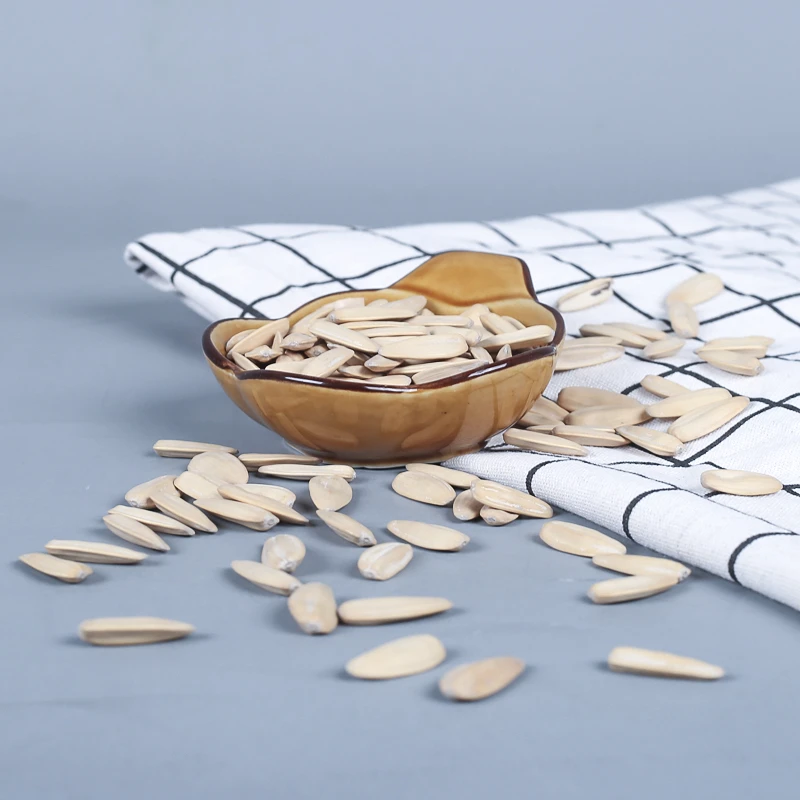
Snap melon seeds, Cucurbita pepo var. cymosia, represent a specialized agricultural product gaining prominence in the snack food industry. Positioned between traditional sunflower and pumpkin seeds, snap melon seeds offer a distinct textural experience characterized by a brittle, easily fractured shell and a comparatively smaller kernel size. Their commercial significance lies in their unique ‘snap’ when consumed, appealing to consumers seeking novel sensory experiences. Production typically occurs in regions with warm climates and substantial agricultural land. Core performance attributes include shell fracture strength, kernel oil content, and absence of aflatoxin contamination. The industry faces challenges related to consistent seed size, maximizing kernel recovery rates, and ensuring adherence to stringent food safety regulations. This guide provides a comprehensive technical overview of snap melon seeds, covering material science, manufacturing processes, performance characteristics, failure modes, and relevant industry standards.
Material Science & Manufacturing
Snap melon seeds are comprised of three primary components: the shell (pericarp), the kernel (cotyledon), and the seed coat (testa). The shell constitutes approximately 40-50% of the total seed mass, primarily composed of cellulose, hemicellulose, and lignin providing structural rigidity. Kernel composition typically includes 45-55% oil (predominantly linoleic acid), 20-25% protein, and 10-15% carbohydrates. The testa is a thin, protective layer rich in phenolic compounds. Manufacturing begins with field cultivation, requiring specific soil pH (6.0-7.0) and irrigation practices. Harvesting is critical; seeds must be fully mature for optimal shell brittleness. Post-harvest processing involves cleaning to remove debris, drying to reduce moisture content (typically to 8-10% to prevent fungal growth), size grading based on kernel potential, and dehulling. Dehulling is achieved mechanically using impact and friction methods. Key parameters during dehulling include impact velocity, clearance between rotating surfaces, and feed rate. Overly aggressive dehulling results in kernel damage, while insufficient force leads to incomplete separation. Further processing includes kernel polishing, oil extraction (for those seeds destined for oil production), and seasoning/flavoring for snack applications. Quality control throughout these processes focuses on minimizing cracked seeds, maximizing kernel recovery, and ensuring freedom from contaminants.
Performance & Engineering
The defining performance characteristic of snap melon seeds is shell fracture strength. This is governed by the shell’s composition, moisture content, and the presence of micro-cracks. Force analysis reveals that brittle fracture occurs when stress exceeds the shell’s tensile strength. Environmental resistance is also crucial. High humidity (>75% RH) promotes microbial growth and rancidity. Temperature fluctuations can induce stress within the shell, leading to cracking. Packaging plays a critical role in mitigating these effects. Barrier properties are essential – packaging must limit oxygen transmission rate (OTR) and water vapor transmission rate (WVTR) to maintain product freshness and prevent degradation. Compliance requirements include adherence to food safety standards (e.g., HACCP, GMP) and regulations regarding permissible levels of heavy metals and pesticides. Functional implementation, specifically regarding snack food production, requires careful consideration of seasoning adhesion. Surface topography of the seeds influences the effectiveness of seasoning coatings. Coating processes (e.g., tumble coating, fluidized bed coating) must be optimized to ensure uniform coverage and prevent seasoning loss during handling and storage. Fatigue cracking, induced by repeated handling and transportation, is another engineering consideration requiring robust packaging solutions.
Technical Specifications
| Parameter | Unit | Specification | Test Method |
|---|---|---|---|
| Shell Moisture Content | % | 8.0 – 10.0 | Oven Drying (AOAC 925.10) |
| Kernel Oil Content | % (dry basis) | 45.0 – 55.0 | Soxhlet Extraction (AOAC 920.39) |
| Shell Fracture Strength | N | 2.0 – 5.0 | Instron Universal Testing Machine |
| Kernel Size (Average Diameter) | mm | 6.0 – 8.0 | Sieve Analysis |
| Aflatoxin Level (B1, B2, G1, G2) | ppb | < 5 ppb (Total) | HPLC-FLD (AOAC 999.07) |
| Peroxide Value (Kernel Oil) | meq O2/kg | < 10 | Titration (AOCS Cd 8-53) |
Failure Mode & Maintenance
Common failure modes for snap melon seeds include shell cracking during processing and handling, kernel damage resulting in reduced market value, and rancidity due to lipid oxidation. Shell cracking is often initiated by impact forces or thermal stress. Micro-cracks, inherent in the shell structure, act as stress concentrators. Kernel damage can occur during dehulling if parameters are not optimized. Rancidity is driven by the auto-oxidation of unsaturated fatty acids in the kernel oil, accelerated by exposure to oxygen, light, and heat. Aflatoxin contamination, while preventable, represents a significant failure mode with serious health implications. Maintenance practices focus on optimizing processing parameters to minimize damage. This includes regular calibration of dehulling equipment, controlling drying temperatures, and implementing effective pest control measures. Proper storage is critical. Seeds should be stored in a cool, dry, and dark environment in airtight containers. Nitrogen flushing of packaging can further reduce oxygen levels and extend shelf life. Regular monitoring of peroxide value and aflatoxin levels is recommended to detect early signs of degradation or contamination. Implementing a robust traceability system is essential for identifying and addressing the root cause of failures.
Industry FAQ
Q: What is the primary factor influencing the 'snap' texture of these seeds?
A: The 'snap' texture is primarily determined by the shell’s brittleness, which is a function of its moisture content, cellulose/lignin ratio, and the presence of micro-fractures. Lower moisture content generally leads to increased brittleness, but excessively dry seeds can become overly fragile and prone to shattering.
Q: How does kernel oil content impact the shelf life of the product?
A: Higher oil content increases the susceptibility to rancidity. The unsaturated fatty acids in the oil are prone to oxidation, leading to off-flavors and reduced product quality. Packaging with excellent barrier properties and storage under cool, dark conditions are crucial for mitigating this effect.
Q: What are the critical control points for preventing aflatoxin contamination?
A: Critical control points include proper pre-harvest agricultural practices (managing insect pests and fungal diseases), thorough cleaning and grading of seeds, rapid and effective drying to reduce moisture content, and regular testing for aflatoxin levels throughout the processing chain.
Q: What is the impact of dehulling pressure on kernel yield and quality?
A: Insufficient dehulling pressure results in incomplete separation of the kernel from the shell, lowering yield. Excessive pressure can cause kernel damage, reducing quality and increasing the proportion of broken kernels. Optimization of dehulling pressure is therefore crucial.
Q: What packaging materials are most suitable for maintaining product freshness?
A: Multi-layer films incorporating aluminum foil or metallized polyester provide excellent barrier properties against oxygen, moisture, and light. Consideration should also be given to the material’s resistance to puncture and tearing during handling and transportation. Modified atmosphere packaging (MAP) with nitrogen flushing can further extend shelf life.
Conclusion
Snap melon seeds represent a unique and growing segment within the snack food industry. Their distinct textural properties and nutritional profile contribute to their consumer appeal. However, realizing their full potential requires a deep understanding of the material science governing their behavior and meticulous control of manufacturing processes. Maintaining optimal shell brittleness, maximizing kernel recovery, and preventing degradation are paramount to ensuring product quality and safety.
Future advancements in snap melon seed production will likely focus on genetic breeding for improved shell characteristics and kernel composition, optimization of dehulling technologies to minimize damage, and development of novel packaging materials with enhanced barrier properties. Continued adherence to stringent food safety regulations and the implementation of robust quality control systems will be critical for establishing consumer trust and driving sustainable growth within this dynamic market.
