Introduction
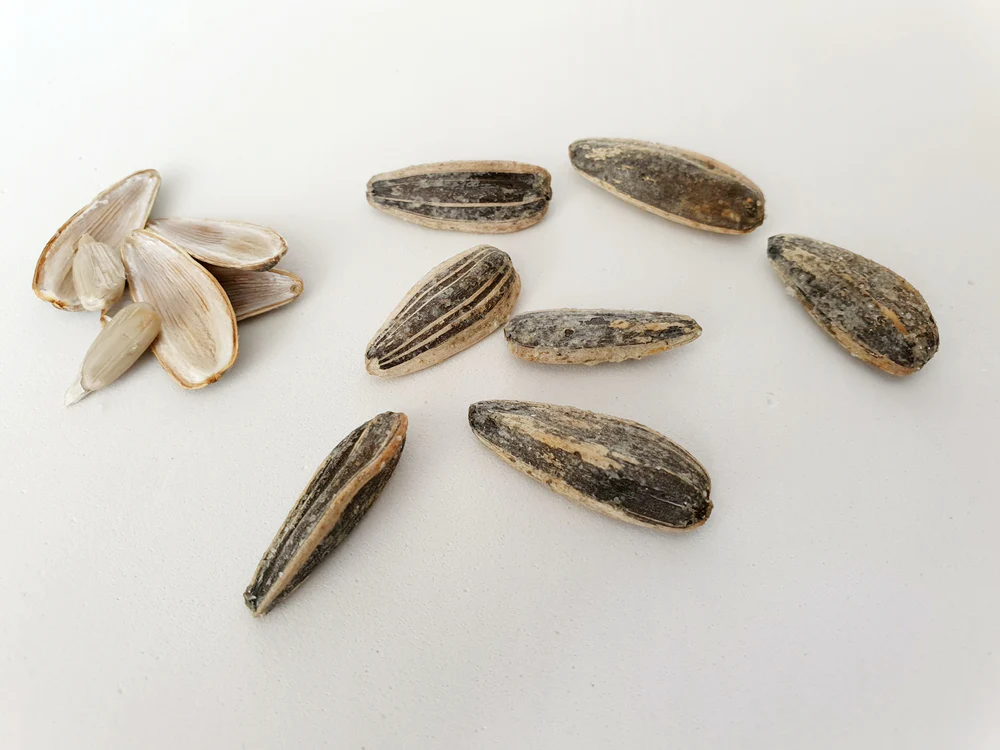
Snap melon seeds, Cucumis melo var. flexuosus, represent a significant segment within the global snack food industry. Manufacturing encompasses specialized processing techniques to transform raw seeds into a palatable and commercially viable product. This technical guide details the material science, manufacturing processes, performance characteristics, potential failure modes, and relevant industry standards associated with the production of snap melon seeds, addressing crucial considerations for B2B suppliers and manufacturers. The core performance parameters revolve around seed integrity (minimizing breakage), flavor development (achieved through roasting and seasoning), moisture content (critical for shelf life), and compliance with food safety regulations. The industry currently faces challenges related to maintaining consistent seed quality due to variations in agricultural practices and optimizing roasting profiles for uniform flavor and texture.
Material Science & Manufacturing
The raw material, snap melon seeds, comprises primarily of lipids (40-50%), proteins (20-25%), carbohydrates (15-20%), and moisture (5-10%). The lipid composition predominantly consists of unsaturated fatty acids, including linoleic acid, contributing to the seed's nutritional value but also its susceptibility to oxidation. The seed coat, a protective outer layer, is composed of cellulose, hemicellulose, and lignin. Manufacturing typically involves several stages: harvesting, cleaning, drying, grading, roasting, seasoning, and packaging. Drying is critical, usually employing hot air ovens or fluidized bed dryers to reduce moisture content to 3-5% to inhibit microbial growth and enzymatic activity. Roasting, conducted at temperatures between 120-160°C, develops the characteristic flavor and texture. Precise temperature and time control are paramount to prevent scorching or under-roasting. Seasoning involves applying salt, spices, or flavor enhancers. Key parameter control focuses on seed moisture content throughout the process, roasting temperature uniformity, and ensuring proper seasoning adhesion. The selection of roasting oil, if used, impacts flavor profiles and oxidative stability. Seed source (melon variety, growing conditions) significantly influences the final product's characteristics.
Performance & Engineering
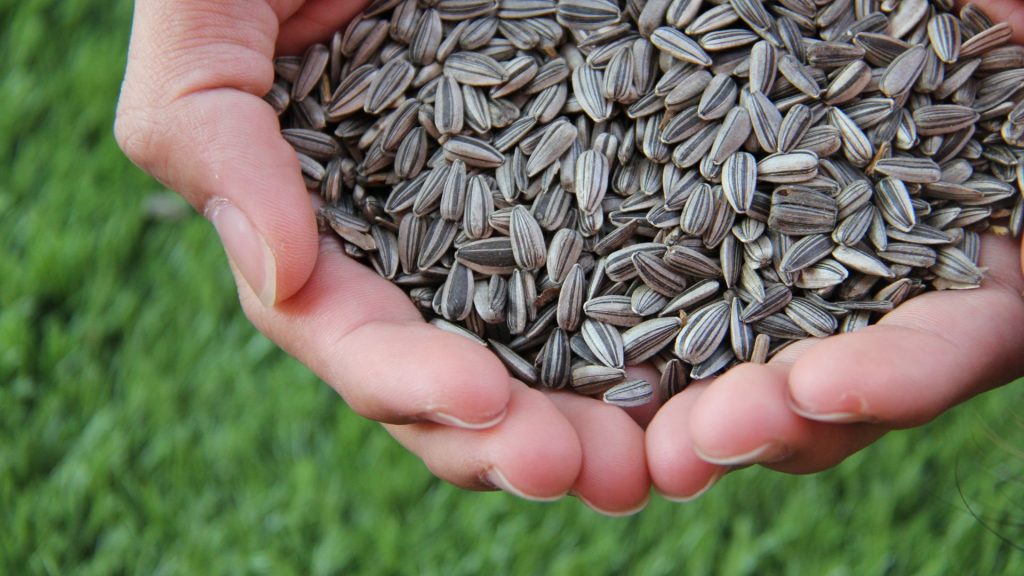
Performance evaluation centers around several key engineering properties. Tensile strength, while not directly measured on whole seeds, influences their resistance to breakage during processing and handling. Seed coat hardness, determined using texture analysis, impacts processing efficiency and consumer mouthfeel. Moisture sorption isotherms are critical for predicting shelf life; the water activity (Aw) must be maintained below 0.6 to prevent microbial spoilage. Roasting process engineering is vital; heat transfer analysis ensures uniform roasting. Environmental resistance considerations include packaging material selection to minimize oxygen permeation (preventing rancidity) and moisture ingress. Compliance requirements encompass adherence to food safety standards (HACCP, GMP), labeling regulations (nutritional information, allergen declarations), and limits on heavy metal contamination (lead, cadmium, arsenic). The oil content impacts caloric density, a crucial nutritional engineering consideration. Flavor release kinetics during consumption are also relevant, influencing consumer perception.
Technical Specifications
| Parameter | Unit | Typical Value | Test Method |
|---|---|---|---|
| Moisture Content | % | 3.0 – 5.0 | AOAC 925.10 |
| Oil Content | % | 45 – 55 | Soxhlet Extraction (AOAC 920.39) |
| Protein Content | % | 22 – 28 | Kjeldahl Method (AOAC 920.87) |
| Seed Coat Hardness | N | 1.5 – 3.0 | Texture Analysis (TA.XTplus) |
| Water Activity (Aw) | - | < 0.6 | Water Activity Meter |
| Peroxide Value (PV) | meq O2/kg | < 5.0 | AOCS Cd 8-53 |
Failure Mode & Maintenance
Common failure modes include rancidity due to lipid oxidation, leading to off-flavors and decreased nutritional value. This is accelerated by exposure to oxygen, light, and elevated temperatures. Seed breakage during processing or handling reduces product quality and yield. Moisture absorption during storage can cause microbial growth and textural changes. Flavor degradation over time due to volatile compound loss is also a concern. Maintenance strategies focus on proper storage conditions (cool, dark, dry environment), using oxygen-barrier packaging materials, implementing a robust quality control program to monitor moisture content and peroxide value, and employing First-In, First-Out (FIFO) inventory management. Regular cleaning and maintenance of roasting and processing equipment are vital to prevent contamination and ensure consistent performance. Implementing a preventative maintenance schedule for drying equipment minimizes downtime and ensures efficient moisture removal. Seed source traceability is important to identify and address recurring quality issues.
Industry FAQ
Q: What is the optimal roasting profile for maximizing flavor development while minimizing acrylamide formation?
A: The optimal roasting profile is dependent on seed variety and moisture content. Generally, a two-stage roasting process is recommended: a slower initial ramp to 100°C to remove residual moisture, followed by a rapid increase to 140-160°C for flavor development. Monitoring the Maillard reaction products (MRP) and minimizing roasting time at peak temperatures are crucial to controlling acrylamide formation. Regular monitoring of roasting temperature using thermocouples is vital.
Q: How can we improve the shelf life of snap melon seeds without using artificial preservatives?
A: Shelf life can be extended through several methods: packaging in multilayer films with high oxygen and moisture barrier properties, incorporating natural antioxidants (e.g., rosemary extract, vitamin E) into the seasoning blend, and maintaining low moisture content (below 5%) during processing and storage. Modified atmosphere packaging (MAP) with nitrogen flushing can further reduce oxygen exposure.
Q: What are the key considerations for scaling up production while maintaining consistent product quality?
A: Maintaining consistent seed quality during scale-up requires precise control over all processing parameters. Investing in automated equipment for drying, roasting, and seasoning ensures uniformity. Implementing a robust statistical process control (SPC) system to monitor key quality attributes (moisture, oil content, peroxide value) is critical. Thorough operator training and adherence to Standard Operating Procedures (SOPs) are essential.
Q: What are the regulatory limits for heavy metal contamination in snap melon seeds in major export markets?
A: Regulatory limits vary by country. The European Union (EU) has established maximum levels for lead, cadmium, mercury, and arsenic in food products, including seeds (Regulation (EC) No 1881/2006). The US FDA also sets tolerance levels for heavy metals. Manufacturers must comply with the specific regulations of their target export markets and conduct regular testing to ensure compliance.
Q: How does the seed variety affect the final product characteristics (flavor, texture, oil content)?
A: Seed variety significantly influences product characteristics. Different snap melon varieties exhibit variations in oil content, protein composition, seed size, and seed coat thickness. These variations directly impact the flavor profile, texture, and roasting behavior. Selecting seed varieties specifically bred for snacking purposes, with desirable flavor and textural characteristics, is crucial for producing a high-quality product.
Conclusion
The production of high-quality snap melon seeds relies on a nuanced understanding of material science, precise process control, and adherence to stringent quality standards. Managing moisture content throughout the process, optimizing roasting profiles, and employing appropriate packaging solutions are paramount to ensuring product stability and palatability. Consistent monitoring of critical parameters, coupled with proactive maintenance of processing equipment, mitigates failure modes and enhances overall efficiency.
Future advancements in snap melon seed manufacturing may focus on utilizing novel roasting technologies (e.g., microwave roasting, infrared roasting) for improved energy efficiency and flavor control. Developing sustainable packaging solutions and exploring natural preservation techniques will also be key areas of innovation. Furthermore, employing advanced analytical techniques for rapid quality assessment will enable manufacturers to maintain consistent product quality and meet evolving consumer demands.
