Introduction
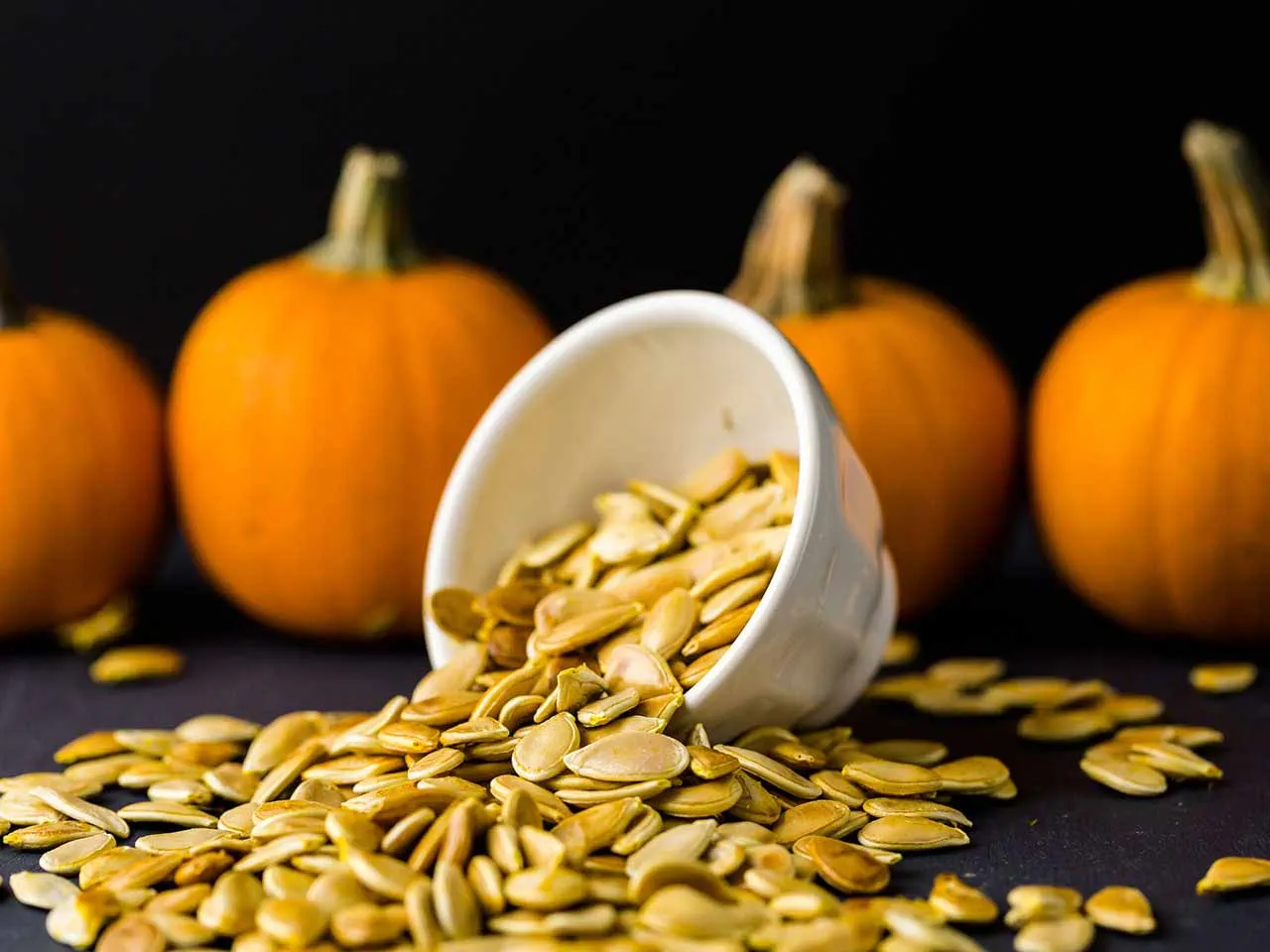
Snap melon seeds, Cucumis melo var. flexuosus, represent a significant niche within the global snack food market. This technical guide details the intricacies of their production, focusing on the manufacturing processes, material science aspects of seed processing, performance characteristics related to consumption quality, and potential failure modes. The industry faces challenges related to maintaining consistent seed quality, ensuring optimal popping characteristics during processing, and adhering to stringent food safety regulations. This document provides a comprehensive overview for engineers, procurement managers, and quality control personnel involved in the snap melon seed supply chain. Core performance indicators include seed moisture content, oil content, shell strength, and absence of undesirable compounds such as aflatoxins. Understanding these parameters is crucial for producing a consistently high-quality product.
Material Science & Manufacturing
The raw material, snap melon seeds, primarily comprises lipids (35-50% by weight), proteins (20-25%), carbohydrates (10-15%), and moisture (5-10%). The lipid composition is crucial; a high percentage of unsaturated fatty acids contributes to optimal flavor development during roasting. The seed coat, composed of cellulose and lignin, provides a protective barrier, but its structural integrity directly impacts the 'snap' during consumption. Manufacturing begins with harvesting mature fruits. Seeds are extracted mechanically, washed to remove pulp residue, and dried to a specific moisture content (typically 6-8%). Drying is critical and often utilizes a combination of sun-drying and controlled-temperature drying to prevent cracking and maintain flavor. Grading by size and density follows, separating seeds based on quality. Roasting, typically employing hot air or oil immersion, is the final processing step. Temperature control is paramount; excessive heat leads to rancidity, while insufficient heat results in inadequate popping. Key parameters during roasting include temperature (120-160°C), duration (10-20 minutes), and airflow rate. Post-roasting, seeds are often seasoned with salt and other flavorings before packaging.
Performance & Engineering
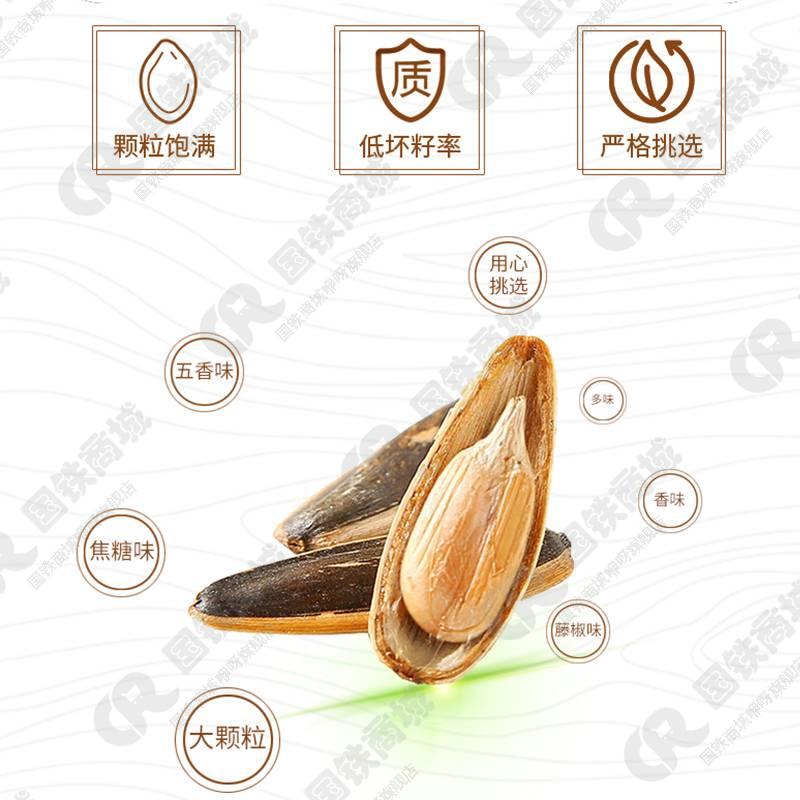
The engineering properties of snap melon seeds are heavily influenced by their internal structure and composition. Shell strength, measured using impact testing, dictates the force required to initiate cracking during consumption. A desirable ‘snap’ requires a brittle shell that fractures cleanly. Moisture content plays a critical role; excessively dry seeds are prone to shattering, while seeds with high moisture content can become soggy and lack the desired texture. Oil content significantly affects flavor and mouthfeel. A higher oil content generally contributes to a richer flavor, but also increases susceptibility to rancidity. Environmental resistance is primarily relevant to packaging materials. The seeds are sensitive to moisture and oxygen, requiring packaging with low oxygen transmission rates (OTR) and low water vapor transmission rates (WVTR) to maintain freshness and prevent oxidative degradation. Compliance with food safety standards (see section 7) is non-negotiable. This includes monitoring for heavy metals, pesticides, and microbial contaminants. Force analysis during cracking shows a peak force correlating with shell strength and a post-peak behavior indicating brittle fracture.
Technical Specifications
| Parameter | Unit | Specification | Test Method |
|---|---|---|---|
| Moisture Content | % | 6.0 - 8.0 | Oven Drying (AOAC 925.10) |
| Oil Content | % | 38 - 45 | Soxhlet Extraction (AOAC 920.39) |
| Shell Strength | N | 50 - 120 | Impact Tester (ASTM D2583) |
| Aflatoxin Level | ppb | < 20 | HPLC-FLD (AOAC 999.07) |
| Peroxide Value | meq O2/kg | < 5 | Titration (AOCS Cd 8-53) |
| Water Activity (Aw) | - | < 0.6 | Water Activity Meter (ASTM E337) |
Failure Mode & Maintenance
Failure modes in snap melon seeds typically fall into three categories: mechanical damage, chemical degradation, and biological contamination. Mechanical damage includes shell cracking during processing or transport, leading to reduced product quality and visual appeal. This is often caused by improper handling or inadequate packaging. Chemical degradation, primarily rancidity, results from oxidation of unsaturated fatty acids, leading to off-flavors and odors. This is accelerated by exposure to oxygen, light, and heat. Preventative measures include using antioxidant packaging films and controlling storage conditions. Biological contamination, particularly by molds and aflatoxins, poses a significant food safety risk. This is mitigated through proper harvesting practices, drying procedures, and storage conditions. Maintenance of processing equipment, including roasters and graders, is essential to prevent mechanical damage. Regular cleaning and calibration are crucial. Storage facilities should be maintained at low humidity and temperature to minimize the risk of mold growth. Monitoring for aflatoxins is a continuous process, requiring regular testing of both raw materials and finished products. Implementing a robust HACCP plan is paramount.
Industry FAQ
Q: What is the optimal moisture content for maximizing the 'snap' and preventing shattering during consumption?
A: The optimal moisture content is between 6.0% and 8.0%. Below 6.0%, seeds become overly brittle and prone to shattering. Above 8.0%, they lose their crispness and may become slightly chewy, reducing the desired ‘snap’ sensation. This is best determined by oven drying techniques per AOAC 925.10.
Q: How does oil content influence the flavor profile and shelf life of snap melon seeds?
A: Higher oil content (38-45%) generally contributes to a richer, more pronounced flavor. However, this also increases the susceptibility to oxidative rancidity. Packaging with a low OTR and storage in cool, dark conditions are crucial for maintaining flavor and extending shelf life. The type of fatty acids also plays a role; a higher proportion of unsaturated fats provides better flavor but is less stable.
Q: What are the key parameters to control during the roasting process to prevent rancidity and ensure consistent flavor development?
A: The critical parameters are temperature (120-160°C), roasting duration (10-20 minutes), and airflow rate. Temperatures exceeding 160°C significantly accelerate rancidity. Insufficient roasting results in undeveloped flavor. Maintaining a consistent airflow ensures even heating and prevents localized overheating. Regular monitoring of peroxide value (AOCS Cd 8-53) is essential.
Q: What packaging materials are recommended to provide adequate barrier protection against moisture and oxygen?
A: Multi-layer films incorporating aluminum foil or metallized polyester offer the best barrier properties. The OTR should be less than 10 cm³/m²/day, and the WVTR should be less than 3 g/m²/day at 25°C and 60% relative humidity. Sealed pouches with a desiccant can further enhance moisture protection.
Q: What is the significance of aflatoxin testing, and what regulatory limits are typically enforced?
A: Aflatoxins are potent carcinogens produced by molds that can contaminate snap melon seeds. Regular testing is essential to ensure food safety. Regulatory limits vary by country, but typically fall below 20 ppb (parts per billion). HPLC-FLD (AOAC 999.07) is the standard method for aflatoxin detection. Non-compliance can lead to product recalls and legal penalties.
Conclusion
The production of high-quality snap melon seeds requires a comprehensive understanding of material science, manufacturing processes, and quality control principles. Maintaining optimal moisture content, controlling oil oxidation, and preventing biological contamination are paramount to ensuring a safe, flavorful, and texturally appealing product. The interplay between shell strength and moisture content is critical for achieving the desired ‘snap’ during consumption.
Future research should focus on developing more robust packaging materials with enhanced barrier properties, optimizing roasting profiles to minimize rancidity, and exploring novel methods for detecting and mitigating aflatoxin contamination. Continuous monitoring and adherence to stringent food safety standards are essential for maintaining consumer confidence and ensuring the long-term sustainability of the snap melon seed industry.
