Introduction
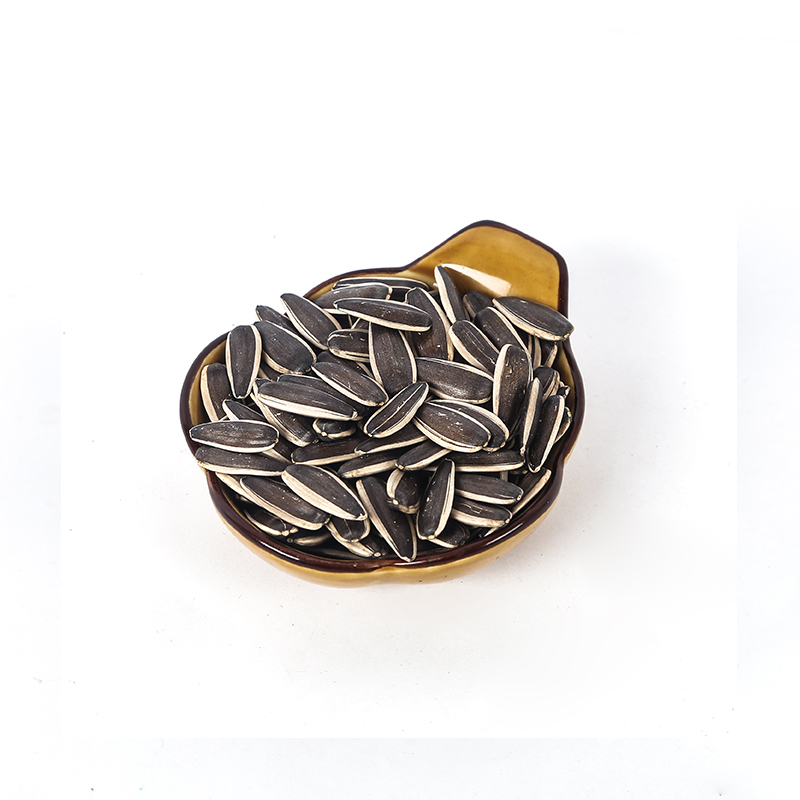
Snap melon seed factories represent a crucial component of the global snack food supply chain, specializing in the processing and packaging of Cucurbita pepo seeds – commonly known as snap melon seeds. These facilities engage in a multi-stage process encompassing seed selection, cleaning, drying, flavoring, and packaging. Their technical position within the industry chain lies between agricultural harvesting and retail distribution. Core performance metrics revolve around seed quality (moisture content, size consistency, and absence of defects), flavor consistency, packaging integrity, and adherence to food safety regulations. A primary industry pain point centers on maintaining consistent snap and flavor profiles despite variations in seed harvests, necessitating precise process control and robust quality assurance protocols. The prevalence of aflatoxin contamination also poses a significant challenge, demanding stringent monitoring and mitigation strategies. Automation and efficient energy usage are also key performance indicators due to escalating production costs and sustainability concerns.
Material Science & Manufacturing
The primary raw material, snap melon seeds, consists largely of lipids (40-50%), proteins (25-30%), carbohydrates (15-20%), and moisture (7-10%). Seed coat composition is predominantly cellulose and lignin, providing structural integrity. Manufacturing begins with seed selection, often employing optical sorting to remove damaged or discolored seeds. Cleaning involves physical scrubbing and air classification to eliminate debris. A crucial step is drying, typically performed using hot air ovens or fluidized bed dryers, reducing moisture content to around 5-7% to inhibit microbial growth and optimize snap. Flavoring is achieved through tumbling with a precise blend of salt, sugar, and various seasonings – often monosodium glutamate (MSG), chili powder, and artificial flavorings. Critical parameters during drying include temperature (50-70°C), air velocity, and residence time. Flavor coating requires careful control of adhesive properties and coating uniformity. Packaging utilizes multi-layer films (typically polypropylene/polyethylene) to provide barrier properties against moisture, oxygen, and light. Quality control relies on periodic moisture content analysis (using a moisture analyzer), sensory evaluation for snap and flavor, and microbiological testing for contaminants like Aspergillus flavus (aflatoxin producer). Seed lipid oxidation is a major concern, mitigated through the addition of antioxidants like TBHQ or BHA, and nitrogen flushing during packaging.
Performance & Engineering
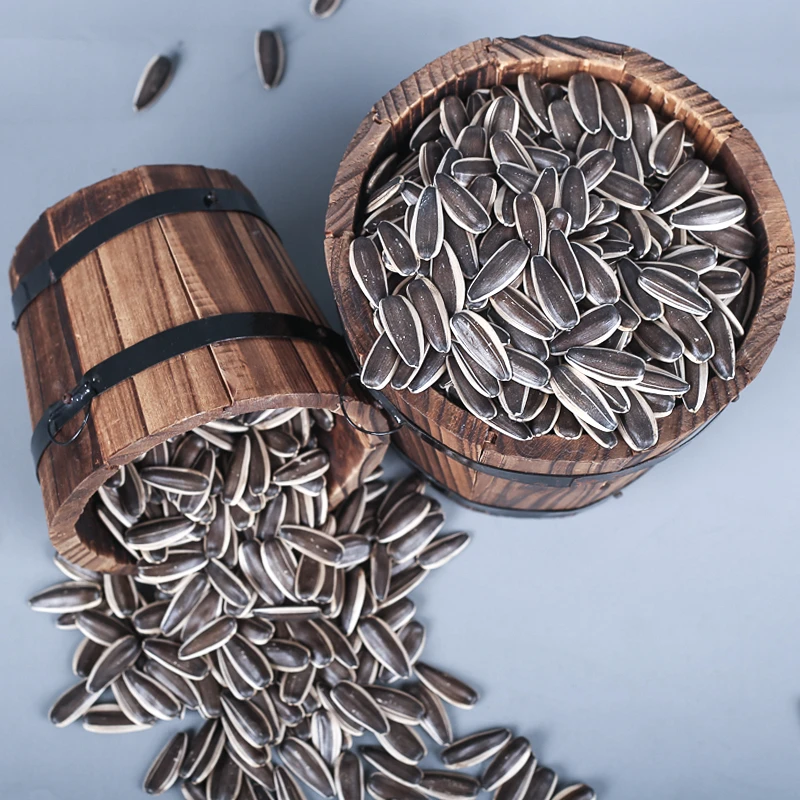
Performance engineering in snap melon seed production focuses on optimizing the ‘snap’ characteristic, which is primarily a function of moisture content and seed structure. Force analysis demonstrates that the shell fractures due to brittle fracture under applied stress. Lower moisture content increases brittleness, enhancing snap, but excessive drying leads to crumbling. Environmental resistance considerations include maintaining product integrity in varying temperature and humidity conditions during storage and transportation. Packaging film selection is crucial in mitigating moisture ingress and oxygen permeation. Compliance requirements are stringent, dictated by food safety standards (HACCP, GMP) and regulations regarding permissible levels of additives and contaminants. Functional implementation involves designing efficient drying systems, precise flavoring application equipment, and automated packaging lines. Vibration analysis of processing equipment is employed to minimize seed damage. Finite element analysis (FEA) can be used to optimize seed shell geometry and predict fracture behavior. The thermal conductivity of the seeds impacts drying rates and energy consumption, necessitating careful consideration during process design. Understanding the Maillard reaction during flavoring helps control flavor development and color consistency.
Technical Specifications
| Parameter | Unit | Typical Value | Acceptable Range |
|---|---|---|---|
| Moisture Content | % | 6.5 | 5.0 - 8.0 |
| Seed Size (Average Diameter) | mm | 8.0 | 7.0 - 9.0 |
| Lipid Content | % | 45 | 40 - 50 |
| Aflatoxin Level (B1) | ppb | <2 | <4 |
| Salt Content | % | 1.5 | 1.2 - 1.8 |
| Oxygen Transmission Rate (OTR) - Packaging Film | cc/m²/day | <5 | <10 |
Failure Mode & Maintenance
Failure modes in snap melon seed products are diverse. Aflatoxin contamination is a critical failure, stemming from fungal growth during storage or improper drying. Lipid oxidation causes rancidity, altering flavor and reducing shelf life. Mechanical damage during processing (cracking, chipping) affects the ‘snap’ characteristic. Flavor degradation can occur due to volatile compound loss or chemical reactions. Packaging failure (seal defects, punctures) compromises barrier properties and leads to moisture absorption. Preventative maintenance of drying equipment involves regular cleaning to prevent microbial buildup, inspection of heating elements, and calibration of temperature sensors. Flavoring drums require periodic bearing lubrication and impeller inspection. Packaging machinery demands frequent seal integrity checks and replacement of worn parts. Root cause analysis of defects employs techniques like failure mode and effects analysis (FMEA). Regular inspection of raw material seed lots for Aspergillus presence is crucial. Storage facilities must be maintained at low humidity and temperature to inhibit fungal growth. Periodic sensory evaluations and laboratory testing are vital for detecting early signs of degradation.
Industry FAQ
Q: What are the key factors influencing the ‘snap’ of the seeds?
A: The ‘snap’ is primarily determined by moisture content (lower is better, within limits) and the integrity of the seed shell. Rapid drying can induce stress fractures, reducing snap. Seed variety also plays a role, as shell thickness and composition vary. Proper storage conditions preventing moisture re-absorption are also crucial.
Q: How can aflatoxin contamination be effectively controlled?
A: Implementing a robust HACCP plan is paramount. This includes sourcing seeds from reputable suppliers with established quality control systems, thorough cleaning and drying to reduce moisture content, regular testing for aflatoxins throughout the process, and proper storage conditions (low temperature and humidity). Utilizing antifungal treatments during storage can also be considered.
Q: What type of packaging film is most suitable for extending shelf life?
A: A multi-layer film combining polypropylene (PP) for strength and polyethylene (PE) for sealing, incorporating an aluminum foil layer for improved barrier properties against oxygen and light, is generally recommended. The film thickness and composition should be optimized based on the desired shelf life and storage conditions. Modified atmosphere packaging (MAP) with nitrogen flushing can further extend shelf life.
Q: What is the role of antioxidants in the manufacturing process?
A: Antioxidants, such as TBHQ or BHA, are added to prevent lipid oxidation, which causes rancidity and off-flavors. They scavenge free radicals and inhibit the chain reaction of oxidation, extending the product's shelf life and maintaining flavor quality. Proper dosage is crucial to avoid impacting taste or causing regulatory issues.
Q: How do you ensure consistent flavor profiles across different seed batches?
A: Precise control over the flavoring process is essential. This includes accurate weighing and mixing of flavoring ingredients, consistent application rates, and thorough tumbling to ensure uniform coating. Regular sensory evaluation and analytical testing (e.g., GC-MS) are used to monitor flavor profiles and make adjustments as needed. Maintaining consistent raw material quality is also vital.
Conclusion
The production of high-quality snap melon seeds requires a comprehensive understanding of material science, engineering principles, and food safety regulations. Maintaining consistent moisture content, preventing aflatoxin contamination, and optimizing packaging integrity are critical for achieving optimal product performance and extending shelf life. Precise process control, robust quality assurance protocols, and proactive preventative maintenance are essential for mitigating failure modes and ensuring consistent product quality.
Future advancements in this sector will likely focus on automation, energy efficiency, and the development of novel packaging materials with enhanced barrier properties and sustainability profiles. Improved analytical techniques for rapid aflatoxin detection and predictive modeling for optimizing drying processes will also contribute to increased efficiency and safety. The industry is facing increasing consumer demand for healthier snack options, pushing for innovations in flavoring and the reduction of artificial additives.
