Introduction
Snap melon seed factories represent a significant segment of the snack food processing industry, focused on the production of ready-to-eat melon seeds. These facilities encompass a range of operations, from raw seed procurement and cleaning to roasting, flavoring, packaging, and quality control. The industry operates within stringent food safety regulations and demands consistent product quality and flavor profiles. This guide provides an in-depth technical overview of the processes, materials, and engineering considerations crucial for optimal performance and reliability within these factories. Core performance aspects include seed integrity (minimizing breakage during processing), flavor adhesion consistency, and shelf-life stability. The critical pain points revolve around maintaining uniform roasting profiles, preventing rancidity development, and ensuring adherence to increasingly strict hygiene standards and allergen control protocols. The industry also faces challenges relating to the efficient removal of seed husks and maximizing yield while minimizing waste.
Material Science & Manufacturing
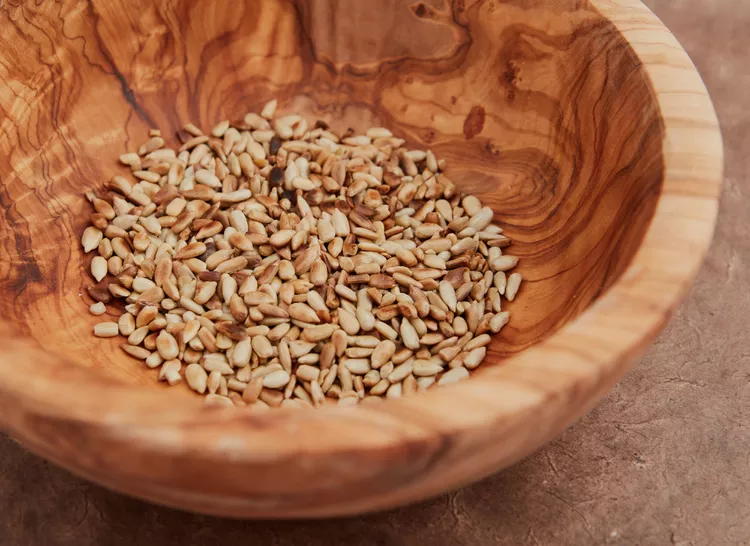
The primary raw material is, of course, the snap melon seed ( Cucumis melo var. momordica). Seed composition varies based on cultivar but generally consists of approximately 30-40% oil, 20-25% protein, 15-20% carbohydrates (primarily starch), and 10-15% moisture. Oil composition is crucial; linoleic acid is dominant, contributing to flavor but also susceptibility to oxidation. Manufacturing begins with raw seed intake, followed by cleaning to remove debris (stones, plant material, damaged seeds). This typically involves screening, aspiration, and destoning equipment. Pre-treatment often includes soaking in water with salt (NaCl) to enhance moisture content and flavor penetration. Roasting is the critical process, carried out in rotary or fluid bed roasters. Temperature control (typically 120-160°C) and residence time are paramount for developing the desired flavor and texture. Over-roasting leads to bitterness, while under-roasting results in a bland product. Flavoring involves coating the roasted seeds with a seasoning blend (salt, sugar, spices, MSG, flavor enhancers). Adhesion is often enhanced with a small amount of edible oil. Finally, packaging utilizes materials providing a moisture barrier and protecting against oxidation (typically multilayer films containing polyethylene, polypropylene, and aluminum foil). Parameter control focuses on roasting temperature uniformity, seasoning application rate, and packaging seal integrity. Husking, often performed before or after roasting, relies on mechanical abrasion and separation techniques.
Performance & Engineering
Performance in snap melon seed factories is multifaceted. Mechanical engineering focuses on optimizing roasting drum design for heat transfer efficiency and minimizing seed breakage. Force analysis is critical in designing husking equipment to maximize separation efficiency without damaging the kernel. Environmental resistance is primarily related to moisture control to prevent clumping and microbial growth. Packaging materials must provide adequate barrier properties against oxygen and moisture ingress. Compliance requirements include adherence to food safety standards such as HACCP (Hazard Analysis and Critical Control Points) and GMP (Good Manufacturing Practices). Functional implementation of flavoring systems requires precise dosing and mixing control to achieve consistent flavor profiles. Roasting process control leverages feedback loops monitoring temperature, humidity, and seed color to ensure uniformity. The structural integrity of the seed itself is crucial; internal stresses developed during roasting can lead to cracking. Heat transfer calculations are fundamental for optimizing roasting parameters and minimizing energy consumption. Airflow dynamics within roasters influence drying rates and flavor development. Wear and tear on processing equipment (roasters, huskers, packaging machines) necessitate preventative maintenance programs and robust material selection (e.g., stainless steel for corrosion resistance).
Technical Specifications
| Parameter | Unit | Typical Range | Acceptable Variation |
|---|---|---|---|
| Moisture Content (Raw Seed) | % | 8-12 | ±1% |
| Roasting Temperature | °C | 120-160 | ±5°C |
| Roasting Time | Minutes | 15-25 | ±2 Minutes |
| Oil Content (Finished Product) | % | 25-35 | ±2% |
| Salt Content (Finished Product) | % | 1.0-2.0 | ±0.1% |
| Water Activity (Finished Product) | aw | <0.7 | <0.75 |
Failure Mode & Maintenance
Failure modes in snap melon seed processing are diverse. Fatigue cracking of roasting drums due to thermal stress is a common issue, necessitating regular non-destructive testing (NDT) and preventative maintenance. Delamination of packaging films compromises barrier properties and leads to rancidity. Degradation of seasoning adhesion results in uneven flavor distribution. Oxidation of oils leads to rancidity, characterized by off-flavors. Mechanical failures in husking equipment (broken rollers, worn abrasive surfaces) reduce efficiency and increase seed damage. Microbial contamination, particularly Aspergillus spp., can produce aflatoxins, posing a significant health hazard. Maintenance solutions include regular cleaning and sanitation of equipment, lubrication of moving parts, inspection and replacement of worn components, calibration of temperature and weighing systems, and implementation of robust pest control programs. Preventative maintenance schedules should be based on equipment usage and manufacturer recommendations. Regular analysis of oil quality (peroxide value, acid value) is crucial for detecting early signs of oxidation. Proper storage of raw materials and finished products is essential to minimize moisture absorption and temperature fluctuations.
Industry FAQ
Q: What are the critical factors affecting the shelf life of roasted melon seeds?
A: Shelf life is primarily determined by minimizing lipid oxidation and preventing moisture absorption. Effective packaging with a strong oxygen and moisture barrier is crucial. Proper storage conditions (cool, dry, dark) are also essential. The initial quality of the oil in the seeds significantly impacts shelf life; seeds with higher levels of unsaturated fatty acids are more susceptible to rancidity.
Q: How do you control the uniformity of the roasting process?
A: Uniformity is achieved through precise temperature control, consistent airflow distribution, and optimized drum rotation speed. Continuous monitoring of seed temperature and color during roasting, coupled with feedback control systems, is vital. Regular calibration of temperature sensors and maintenance of the roasting equipment are also essential.
Q: What are the best practices for preventing aflatoxin contamination?
A: Aflatoxin contamination is prevented through strict quality control of raw materials, proper storage to prevent mold growth, and effective sanitation practices throughout the processing facility. Regular testing of raw materials and finished products for aflatoxins is mandatory in many regions.
Q: What types of materials are commonly used for the construction of roasting drums?
A: Stainless steel (typically 304 or 316) is the most common material due to its corrosion resistance, hygienic properties, and ability to withstand high temperatures. Carbon steel may be used in some applications, but requires protective coatings to prevent corrosion. Alloy steels with enhanced heat resistance may be used in high-temperature applications.
Q: How can the efficiency of the husking process be improved?
A: Improving husking efficiency involves optimizing the abrasive surface of the husking equipment, adjusting the feed rate of the seeds, and controlling the pressure applied during husking. Maintaining proper air flow to remove husks and monitoring the moisture content of the seeds can also significantly improve efficiency.
Conclusion
The production of snap melon seeds relies on a complex interplay of material science, mechanical engineering, and food safety principles. Maintaining consistent product quality, preventing rancidity, and ensuring adherence to stringent regulations are paramount concerns for factory operators. Precise control over the roasting process, coupled with effective packaging and storage practices, are crucial for maximizing shelf life and delivering a desirable product.
Future trends in the industry will likely focus on automation, improved process control, and the development of novel packaging materials with enhanced barrier properties. Continuous monitoring of critical process parameters and the implementation of predictive maintenance programs will become increasingly important for optimizing efficiency and reducing downtime. Sustainable practices, such as minimizing water consumption and waste generation, will also gain prominence.
