Introduction
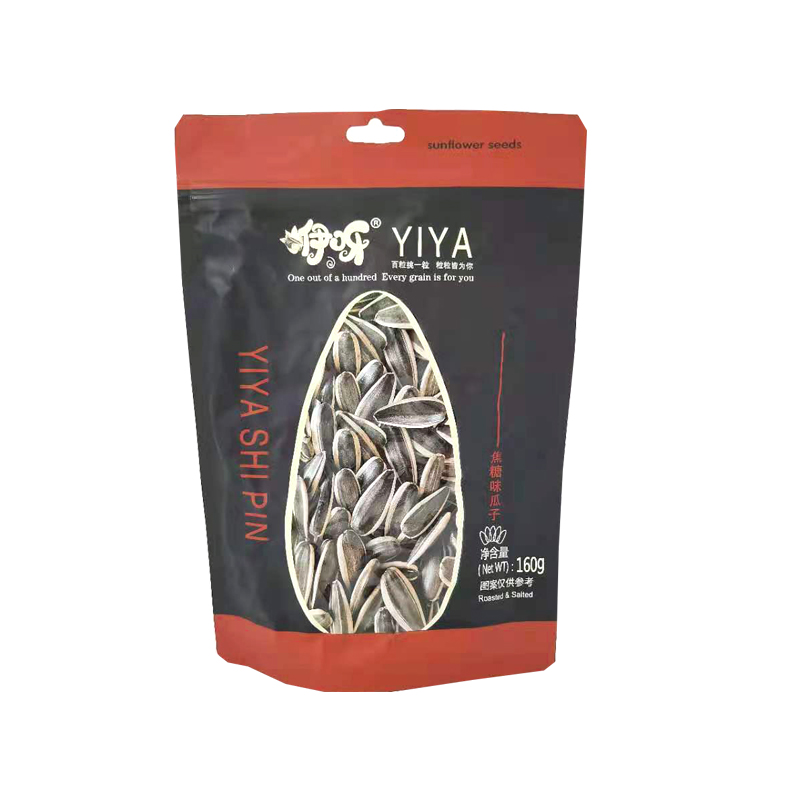
Snap melon seeds (Cucumis melo var. flexuosus) represent a significant agricultural export commodity, particularly from regions with optimal growing conditions. This technical guide addresses the core considerations for exporters navigating the intricacies of seed quality, preservation, and international trade compliance. The industry chain begins with varietal selection and agricultural practices, extends through post-harvest processing, quality control, packaging, and culminates in logistical transport to international markets. Core performance characteristics – germination rate, seed viability, moisture content, and physical purity – dictate market acceptance and profitability. Addressing key pain points relating to storage stability, pest contamination, and adherence to phytosanitary regulations are paramount for sustained export success. The document will provide a comprehensive overview of these factors, ensuring exporters meet and exceed international standards.
Material Science & Manufacturing
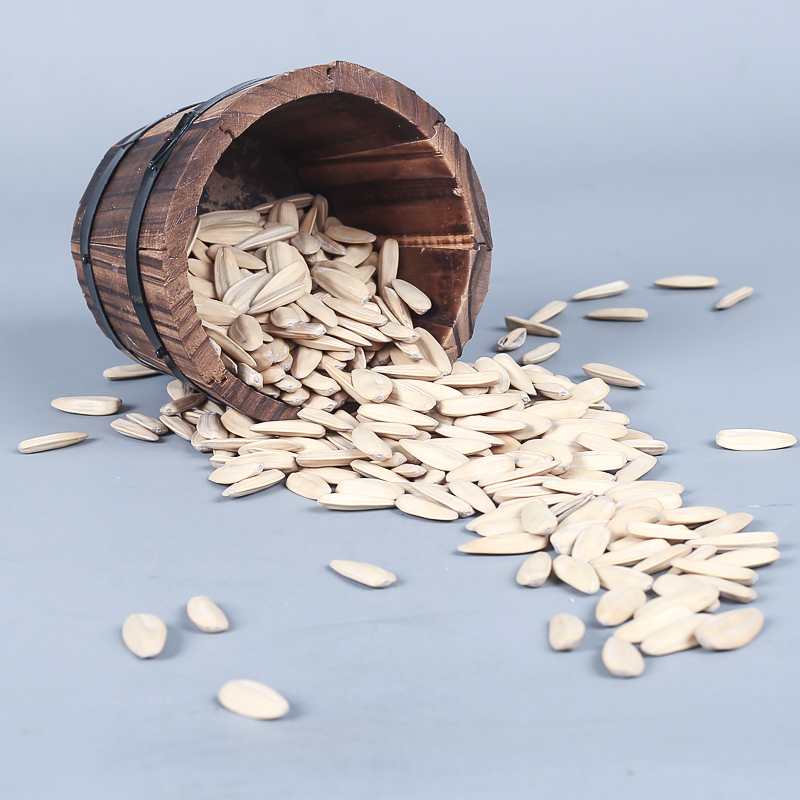
Snap melon seeds are primarily composed of lipids (30-50%), proteins (20-30%), carbohydrates (10-20%), and moisture (6-10%). The lipid profile is dominated by unsaturated fatty acids, specifically linoleic and oleic acid, rendering the seeds susceptible to oxidative rancidity if improperly stored. The seed coat, a multi-layered structure consisting of the testa and tegmen, provides a physical barrier against moisture ingress and mechanical damage. Manufacturing begins with harvesting at physiological maturity, typically evidenced by the drying of the rind and seed rattle. Post-harvest processing involves threshing, cleaning, and drying. Threshing separates the seeds from the pulp and rind, often utilizing mechanical harvesters or manual methods. Cleaning removes debris, damaged seeds, and other foreign matter through a series of sieves and air separation techniques. Crucially, drying is a critical parameter – seeds are typically dried to a moisture content of 8-10% using controlled-temperature drying systems (e.g., fluidized bed dryers) to inhibit microbial growth and enzymatic activity. Precise control of drying temperature (below 45°C) is vital to prevent denaturation of proteins and reduction in germination rate. Seed treatment with approved fungicides and insecticides may be applied to prevent storage pest infestations. Seed vigor testing, including accelerated aging tests and cold germination tests, is essential to assess the physiological quality of the seeds.
Performance & Engineering
Performance of snap melon seeds is directly linked to their physical and physiological integrity. Germination rate, typically expressed as a percentage, is a primary indicator of viability and is affected by seed age, storage conditions, and genetic factors. Seed vigor, reflecting the seed's ability to establish a robust seedling, is determined through stress tests simulating adverse environmental conditions. Environmental resistance pertains to the seed’s tolerance to temperature fluctuations, humidity levels, and potential exposure to pathogens during storage and transit. Engineering considerations center around packaging design to maintain optimal moisture content and protect against physical damage. Packaging materials should exhibit low oxygen transmission rates (OTR) and low water vapor transmission rates (WVTR) to prevent oxidative degradation and moisture absorption. Modified atmosphere packaging (MAP) techniques, employing nitrogen flushing or CO2 enrichment, can extend shelf life by inhibiting respiration and microbial growth. Furthermore, compliance with international phytosanitary regulations, such as those established by the International Plant Protection Convention (IPPC), requires proper documentation and potentially, seed treatment protocols to prevent the spread of plant pests and diseases. Force analysis related to handling and transport necessitates packaging that can withstand stacking loads and vibrations without compromising seed integrity.
Technical Specifications
| Parameter | Unit | Standard Specification | Testing Method |
|---|---|---|---|
| Germination Rate | % | ≥ 85 | ISTA Procedure 7 |
| Moisture Content | % | 8.0 – 10.0 | ISTA Procedure 2 |
| Purity | % | ≥ 98 | ISTA Procedure 5 |
| Inert Matter | % | ≤ 2 | Visual Inspection |
| Seed Size (Length) | mm | 8 - 12 | Manual Measurement/Image Analysis |
| Seed Weight (1000 Seeds) | g | 200 - 250 | Weight Scale |
Failure Mode & Maintenance
Failure modes in snap melon seeds during export can be categorized as physical damage, physiological deterioration, and biological contamination. Physical damage, resulting from improper handling or inadequate packaging, leads to cracked seeds and reduced germination. Physiological deterioration stems from high moisture content, elevated temperatures, and prolonged storage, causing loss of viability and vigor. This manifests as reduced germination percentage and seedling emergence. Biological contamination, primarily by fungi and insects, can occur during storage or transit. Common storage pests include Sitophilus oryzae (rice weevil) and Tribolium castaneum (red flour beetle). Failure analysis reveals that improper drying is a root cause for fungal growth and subsequent seed quality decline. Maintenance and preventative measures include: maintaining optimal storage conditions (cool, dry, and well-ventilated environments), utilizing hermetic storage containers, implementing effective pest management strategies (e.g., controlled atmosphere storage, insect traps), and conducting regular seed viability testing. Proper inventory management (FIFO – First In, First Out) is crucial to minimize storage time and maintain seed quality. Furthermore, adherence to recommended packaging materials and handling procedures throughout the supply chain minimizes physical damage.
Industry FAQ
Q: What is the acceptable range for seed moisture content for long-term storage?
A: The acceptable range for seed moisture content for long-term storage of snap melon seeds is 8.0% to 10.0%. Maintaining this range inhibits microbial growth and enzymatic activity, significantly extending seed viability. Higher moisture content accelerates deterioration, while excessively low moisture content can induce mechanical damage.
Q: How does packaging material impact seed quality during export?
A: Packaging material significantly impacts seed quality by controlling moisture exchange and providing physical protection. Materials with low OTR and WVTR are essential to prevent oxidative degradation and moisture absorption. Hermetic packaging, utilizing materials like multilayer aluminum foil laminates, is recommended for long-duration storage and transport.
Q: What are the key phytosanitary requirements for exporting snap melon seeds?
A: Key phytosanitary requirements include freedom from regulated plant pests and diseases, as stipulated by the importing country's national plant protection organization (NPPO). This often involves seed treatment with approved fungicides and insecticides, accompanied by a phytosanitary certificate issued by the exporting country's NPPO. Compliance with IPPC guidelines is paramount.
Q: What tests are commonly used to assess seed quality before export?
A: Common tests include germination rate (ISTA Procedure 7), moisture content (ISTA Procedure 2), purity analysis (ISTA Procedure 5), and tetrazolium testing to assess seed viability. Accelerated aging tests and cold germination tests are used to evaluate seed vigor. These tests provide a comprehensive assessment of seed quality and predict performance under field conditions.
Q: What are the consequences of exceeding the maximum permissible level of inert matter in a seed lot?
A: Exceeding the maximum permissible level of inert matter (typically ≤ 2%) reduces the effective seeding rate and can hinder seedling establishment. Inert matter dilutes the seed lot, potentially introducing weed seeds or other contaminants, and can negatively impact the overall crop yield. It can also lead to rejection of the seed lot by importing authorities.
Conclusion
The successful export of snap melon seeds hinges on a rigorous understanding of material science principles, meticulous manufacturing practices, and strict adherence to international quality standards. Maintaining optimal seed moisture content, employing appropriate packaging materials, and implementing effective pest management strategies are critical for preserving seed viability and vigor throughout the supply chain. Addressing the core pain points relating to storage stability and phytosanitary compliance requires a proactive approach to quality control and documentation.
Continued investment in research and development related to seed preservation techniques, such as optimized drying methods and advanced packaging materials, will further enhance the competitiveness of snap melon seed exporters in the global market. Prioritizing seed quality not only ensures customer satisfaction but also safeguards against potential economic losses due to seed failure and regulatory non-compliance.
