Introduction
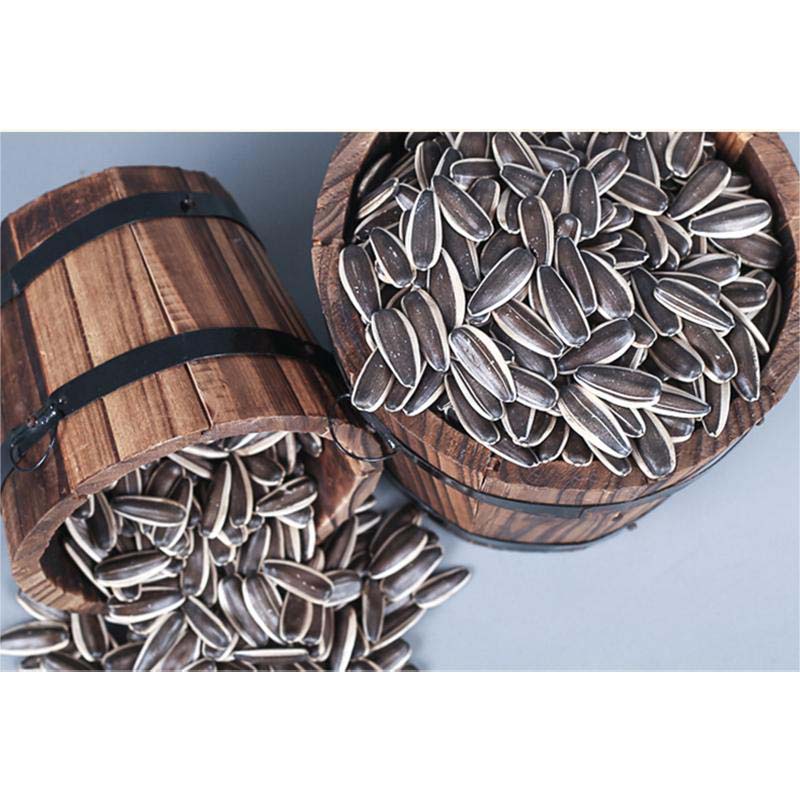
Shelled sunflower seeds, Helianthus annuus, represent a significant commodity within the global food industry, functioning as both a direct consumer snack and a crucial ingredient in various processed food applications. This guide details the technical aspects of shelled sunflower seed supply, encompassing seed quality, processing methodologies, storage considerations, and relevant industry standards. The supply chain originates from agricultural production, transitions through dehulling, grading, and cleaning, and culminates in packaging for distribution. Core performance characteristics defining market value include kernel size, oil content, moisture levels, and absence of foreign material. Understanding these parameters is critical for procurement managers, food manufacturers, and quality control professionals ensuring consistent product input and adherence to food safety regulations. The industry faces ongoing challenges related to aflatoxin contamination, hulling efficiency, and maintaining consistent kernel integrity during processing and transportation.
Material Science & Manufacturing
Sunflower seeds consist primarily of three components: the kernel (cotyledon), the hull (pericarp), and the embryo. The kernel is rich in lipids (40-50% oil content, primarily linoleic acid), proteins (20-25%), and carbohydrates. The hull comprises cellulose, hemicellulose, and lignin providing structural integrity but minimal nutritional value. Manufacturing begins with harvesting, typically employing combine harvesters. Subsequent dehulling is achieved through mechanical methods – impact, friction, or roller dehulling. Impact dehulling, while effective, can result in higher kernel breakage. Friction dehulling employs abrasive surfaces for hull removal. Roller dehulling utilizes counter-rotating rollers for a gentler process, minimizing damage. Critical parameters during dehulling include roller gap, feed rate, and impact velocity. These parameters directly influence the percentage of unhulled seeds, kernel damage, and overall processing efficiency. Cleaning processes follow dehulling utilizing screens, air separators, and optical sorters to remove foreign material like stems, leaves, dirt, and discolored seeds. Moisture content, typically controlled to 8-10% post-dehulling, is vital for storage stability. Controlled atmosphere storage (reducing oxygen levels) minimizes lipid oxidation and preserves flavor.
Performance & Engineering
The performance of shelled sunflower seeds is evaluated based on several engineering principles. Kernel hardness, measured by compression testing, impacts processing efficiency during subsequent roasting or oil extraction. A harder kernel requires greater energy input but generally exhibits lower breakage during handling. Moisture migration within the kernel is governed by Fick's Law of Diffusion; controlling moisture levels prevents clumping and microbial growth during storage. The oil content directly relates to the caloric density of the seed and is determined through Soxhlet extraction or near-infrared spectroscopy. Storage stability is paramount and is affected by temperature, humidity, and oxygen exposure. Lipid oxidation, a major degradation pathway, is quantified by measuring peroxide value (PV) and anisidine value (AV). Engineering controls such as modified atmosphere packaging (MAP) and the addition of antioxidants (e.g., tocopherols) mitigate oxidation. Furthermore, the structural integrity of the kernel is evaluated using fracture mechanics principles; understanding the stress-strain relationship informs handling and packaging design to minimize mechanical damage. Aflatoxin contamination, a serious food safety concern, requires rigorous monitoring and control via good agricultural practices and post-harvest processing.
Technical Specifications
| Parameter | Unit | Standard Specification | Testing Method |
|---|---|---|---|
| Moisture Content | % | ≤ 10.0 | Oven Drying (AACC Method 30-24) |
| Oil Content | % | ≥ 40.0 | Soxhlet Extraction (AOCS Official Method Ak 3-93) |
| Kernel Size (Screen Size) | mm | 12/64 inch (variable based on customer need) | Sieve Analysis (AACC Method 30-50) |
| Foreign Material (FM) | % | ≤ 1.0 | Visual Inspection & Sorting |
| Broken Kernels & Hull Fragments | % | ≤ 3.0 | Visual Inspection & Sorting |
| Aflatoxin B1 | ppb | ≤ 20 | HPLC (High-Performance Liquid Chromatography) |
Failure Mode & Maintenance
Common failure modes in shelled sunflower seeds relate to quality degradation during storage and handling. Lipid oxidation leads to rancidity, altering flavor and reducing nutritional value. This is accelerated by exposure to oxygen, light, and elevated temperatures. Kernel cracking and breakage occur during processing, transportation, and handling, decreasing market value. Contamination with aflatoxins, produced by Aspergillus fungi, poses a significant health risk. Insect infestation, particularly by storage pests, can lead to substantial losses. Maintenance strategies focus on preventative measures. Controlled atmosphere storage, utilizing nitrogen flushing or vacuum packaging, minimizes oxidation. Proper sanitation protocols prevent fungal growth and insect infestation. Optimizing processing parameters (dehulling roller gap, feed rate) reduces kernel damage. Regular monitoring for aflatoxin levels through HPLC analysis is crucial. Maintaining consistent temperature and humidity control throughout the supply chain is essential for preserving seed quality. Implementing a robust quality control system encompassing visual inspection, moisture analysis, and oil content determination is vital for identifying and addressing potential issues proactively.
Industry FAQ
Q: What are the primary factors influencing aflatoxin levels in shelled sunflower seeds?
A: Aflatoxin contamination is heavily influenced by pre-harvest conditions (drought stress, insect damage), harvesting practices (delayed harvest), and post-harvest handling (drying, storage). Warm, humid conditions favor fungal growth. Proper drying to a moisture content below 10% and storage in well-ventilated, cool facilities are critical mitigation strategies. Regular testing is also essential.
Q: How does kernel size affect the processing of sunflower seeds for oil extraction?
A: Kernel size influences oil yield and extraction efficiency. Larger kernels generally contain more oil, but smaller kernels can be easier to rupture during pressing or solvent extraction. Uniform kernel size is preferred for consistent oil yield and reduced processing variability. Screening and grading are used to achieve size uniformity.
Q: What is the significance of the peroxide value (PV) in assessing sunflower seed quality?
A: The peroxide value (PV) measures the concentration of peroxides, primary products of lipid oxidation. A higher PV indicates greater oxidation and a decline in oil quality. PV is a key indicator of rancidity development and is used to assess storage stability.
Q: What type of packaging is recommended for long-term storage of shelled sunflower seeds?
A: Modified atmosphere packaging (MAP) using nitrogen flushing is highly recommended. The packaging material should be a barrier to oxygen and moisture. Aluminum foil laminates or high-barrier plastic films are commonly used. Storage in a cool, dark, and dry environment further extends shelf life.
Q: What are the key differences between impact and roller dehulling methods, and which is preferred for premium quality seeds?
A: Impact dehulling is faster but results in higher kernel breakage and a greater percentage of unhulled seeds. Roller dehulling is slower but gentler, minimizing kernel damage. For premium quality seeds intended for direct consumption, roller dehulling is generally preferred despite the lower throughput, as it preserves kernel integrity and maximizes visual appeal.
Conclusion
Shelled sunflower seeds represent a technically complex agricultural product with critical parameters impacting quality, safety, and processing efficiency. Successful supply chain management necessitates a thorough understanding of material science principles, manufacturing methodologies, and relevant industry standards. Optimizing dehulling processes to minimize kernel damage, implementing robust storage protocols to prevent oxidation and aflatoxin contamination, and adhering to stringent quality control procedures are paramount for delivering a consistent, high-quality product to market.
Future trends in the industry will likely focus on advancements in dehulling technology – for example, utilizing machine learning to optimize roller gap adjustments in real-time – as well as the development of novel packaging materials with enhanced barrier properties. Continued research into aflatoxin mitigation strategies and the development of more accurate and rapid detection methods are also crucial. Addressing these challenges will ensure the continued viability and growth of the shelled sunflower seed industry.
