Introduction
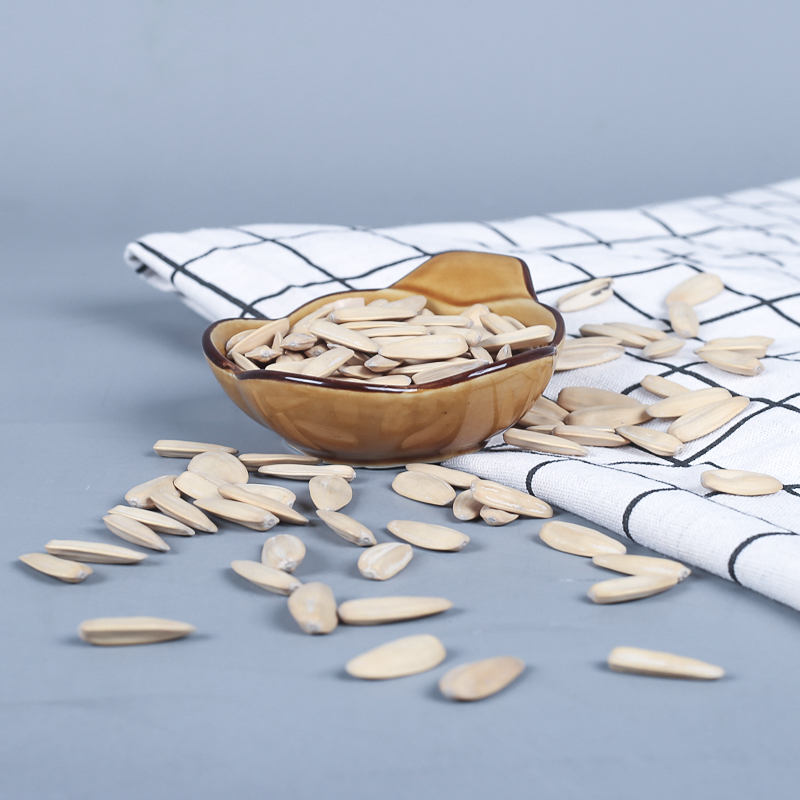
Shelled sunflower seeds, Helianthus annuus, represent a significant processed food commodity within the global snack food and ingredient markets. This technical guide details the critical parameters governing their quality, safety, and performance characteristics. Positioned between primary agricultural production and consumer packaged goods, shelled sunflower seeds undergo substantial processing, impacting their nutritional profile, physical attributes, and shelf-life stability. Core performance attributes include kernel size, oil content, moisture content, freedom from defects (hulls, foreign material), and overall sensory acceptability. Maintaining consistent quality is paramount, requiring rigorous control throughout the supply chain, from seed selection and harvesting through to dehulling, drying, sorting, and packaging. Addressing industry pain points such as aflatoxin contamination, rancidity development, and efficient dehulling processes are central to optimizing this product’s commercial viability.
Material Science & Manufacturing
The primary raw material, sunflower seeds, exhibit complex biochemical composition. The kernel comprises approximately 40-55% oil, primarily linoleic acid (a polyunsaturated omega-6 fatty acid), along with protein (around 20-25%), carbohydrates, fiber, and vitamins (especially Vitamin E). The hull, consisting of cellulose, hemicellulose, and lignin, provides structural protection. Manufacturing commences with seed cleaning and drying to optimal moisture content (typically 9-11%) for efficient dehulling. Dehulling is achieved mechanically, utilizing friction and impact forces. Modern dehulling lines employ a combination of rubber rolls, aspiration systems, and sieving to separate kernels from hulls. Key parameter control includes roll pressure, feed rate, and aspiration velocity. Insufficient control leads to kernel damage and increased hull content. Subsequent processing involves grading (by size and density), color sorting (removing discolored or defective kernels), and seasoning (salt, flavorings). Oil content profoundly influences processing parameters. Higher oil content seeds generally exhibit better dehulling characteristics but are more susceptible to rancidity during storage. Drying temperatures must be carefully monitored to prevent denaturation of proteins and oxidation of lipids, impacting both nutritional value and sensory quality. Contamination with mycotoxins, such as aflatoxins produced by Aspergillus molds, is a critical safety concern mitigated through pre-harvest monitoring, proper drying, and post-harvest handling practices.
Performance & Engineering
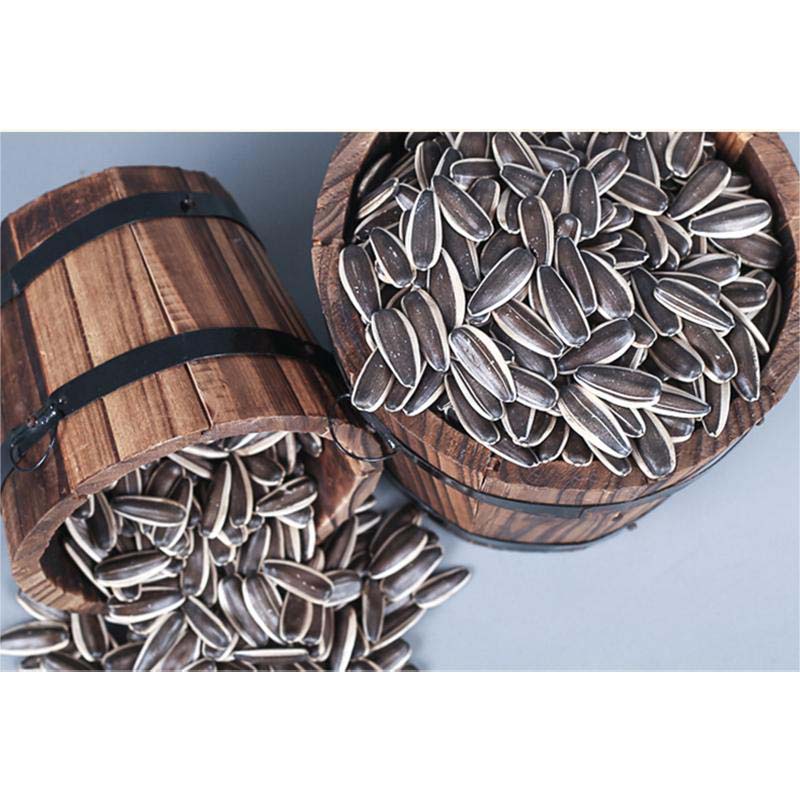
Performance is dictated by the integrity of the kernel and its resistance to degradation. Force analysis during dehulling focuses on minimizing kernel breakage while maximizing hull removal. The impact strength of the kernel is directly related to its moisture content and lipid composition. Kernels with lower moisture content are more brittle and prone to fracture. Environmental resistance is primarily concerned with maintaining oil quality during storage. Exposure to oxygen, light, and elevated temperatures accelerates lipid oxidation, leading to rancidity. Packaging materials must provide a barrier to oxygen and light. Compliance requirements include adherence to food safety regulations established by organizations such as the FDA (Food and Drug Administration) in the US, EFSA (European Food Safety Authority) in Europe, and relevant national standards. Aflatoxin levels are stringently regulated. Functional implementation considerations center around achieving consistent seasoning application and preventing clumping during packaging. Anticaking agents are often incorporated to improve flowability and maintain product appearance. Shelf-life modeling utilizes Arrhenius kinetics to predict rancidity development based on storage temperature and oxygen exposure. Properly engineered packaging minimizes oxygen transmission rate (OTR) and extends shelf life.
Technical Specifications
| Parameter | Units | Typical Value | Acceptable Range |
|---|---|---|---|
| Moisture Content | % | 8.0 | 7.0 - 10.0 |
| Oil Content (Dry Basis) | % | 50.0 | 45.0 - 55.0 |
| Kernel Size (Screen Size) | mm | 14-16 | 12-18 |
| Foreign Matter | % | 0.1 | ≤ 0.5 |
| Hull Content | % | 1.0 | ≤ 3.0 |
| Peroxide Value (PV) | meq O2/kg | 3.0 | ≤ 5.0 |
Failure Mode & Maintenance
Failure modes in shelled sunflower seeds manifest primarily as quality degradation rather than catastrophic mechanical failure. Rancidity, driven by lipid oxidation, is a major failure mechanism, characterized by off-flavors and odors. This is accelerated by high temperatures, light exposure, and oxygen presence. Kernel cracking during processing or handling leads to increased surface area for oxidation and potential for insect infestation. Aflatoxin contamination represents a critical safety failure mode, potentially occurring pre- or post-harvest. Degradation of Vitamin E, a natural antioxidant, contributes to reduced shelf life. Maintenance focuses on preventative measures throughout the supply chain. Proper seed storage (cool, dry, dark) is crucial. Regular monitoring of moisture content and peroxide value provides early warning of quality deterioration. Effective pest control measures minimize the risk of insect damage and mycotoxin contamination. Packaging integrity must be maintained to prevent oxygen ingress. Equipment maintenance (dehulling lines, sorting machines) ensures optimal processing efficiency and minimizes kernel damage. Implementation of a Hazard Analysis and Critical Control Points (HACCP) system is essential for ensuring food safety. Storage facilities require routine cleaning and sanitation to prevent mold growth.
Industry FAQ
Q: What are the key factors influencing aflatoxin levels in shelled sunflower seeds?
A: Aflatoxin production is primarily dependent on environmental conditions favorable to Aspergillus growth – high temperature and humidity. Pre-harvest stress on the sunflower plant (drought, insect damage) increases susceptibility to infection. Improper drying and storage exacerbate the problem. Implementing pre-harvest monitoring programs, ensuring rapid and thorough drying, and employing appropriate storage practices are crucial mitigation strategies.
Q: How does hull content impact the final product quality?
A: High hull content reduces the perceived value of the product, impacting sensory acceptability. Hulls contribute a gritty texture and can mask the flavor of the kernel. Furthermore, hulls absorb oil, reducing the overall oil yield and contributing to rancidity. Efficient dehulling processes and rigorous sorting procedures are essential for minimizing hull content.
Q: What is the role of Vitamin E in maintaining sunflower seed quality?
A: Vitamin E functions as a natural antioxidant, inhibiting lipid oxidation and delaying the onset of rancidity. Its concentration naturally declines during storage. Maintaining adequate Vitamin E levels extends shelf life and preserves the nutritional value of the seeds.
Q: What packaging materials offer the best protection against rancidity?
A: Multi-layer films incorporating a metallized layer (e.g., aluminum foil) and a barrier layer (e.g., EVOH – ethylene vinyl alcohol) provide the most effective barrier against oxygen and light. Modified atmosphere packaging (MAP), using nitrogen flushing to displace oxygen, further enhances shelf life.
Q: How is peroxide value used to assess sunflower seed quality?
A: Peroxide value (PV) is a primary indicator of lipid oxidation. It measures the concentration of peroxides, which are primary oxidation products. An increasing PV indicates that the oil is becoming rancid. Regular monitoring of PV provides a quantitative assessment of oxidative deterioration.
Conclusion
Shelled sunflower seeds represent a complex agricultural product requiring meticulous control throughout the entire supply chain. Optimizing their quality and safety necessitates a comprehensive understanding of the underlying material science, manufacturing processes, and degradation mechanisms. Consistent monitoring of key parameters – moisture content, oil content, peroxide value, and aflatoxin levels – is crucial for ensuring product integrity and consumer safety.
Future advancements will likely focus on developing improved dehulling technologies that minimize kernel damage and reduce hull content, enhancing the efficiency of antioxidant delivery systems to extend shelf life, and implementing advanced analytical techniques for rapid and accurate detection of mycotoxins. Adherence to stringent quality control standards and international regulations remains paramount for maintaining the competitiveness and sustainability of the shelled sunflower seed industry.
