Introduction
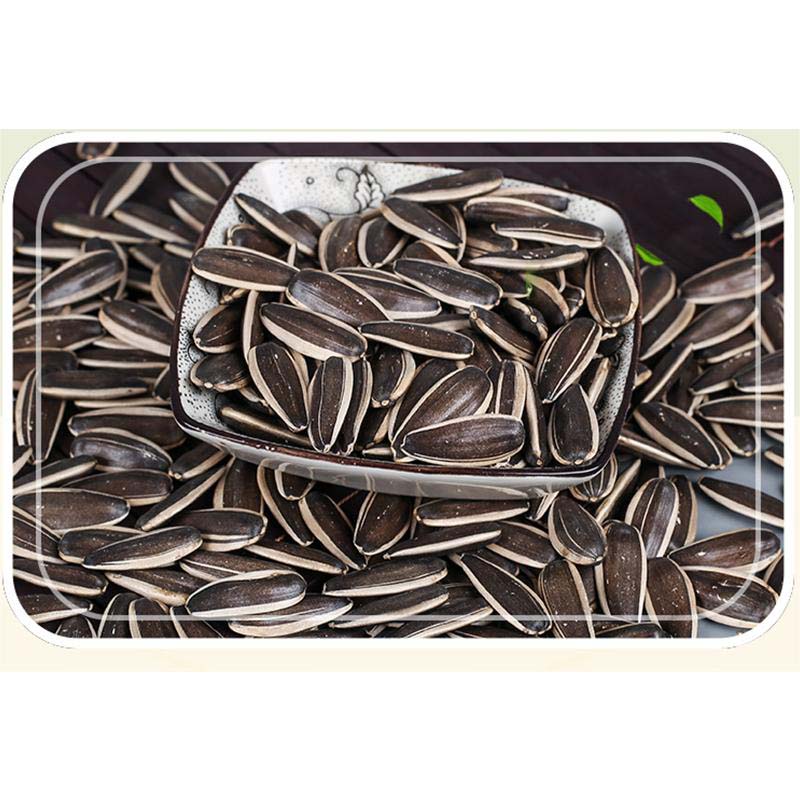
Shelled sunflower seeds ( Helianthus annuus ) represent a significant processed food commodity within the global snack food and ingredient markets. Positioned between primary agricultural production and consumer packaged goods, these seeds undergo a series of processing stages – harvesting, drying, dehulling, grading, and often flavoring – to yield a ready-to-eat product. Core performance characteristics are defined by kernel size, oil content, moisture content, absence of hull fragments, and overall taste profile. The industry faces constant pressure to optimize these attributes while minimizing processing costs and maintaining food safety standards. The increasing demand for healthy snacking options and plant-based protein sources fuels the growth of this market, with stringent quality control increasingly important to meet consumer expectations and international regulations. Maintaining consistency in these parameters is a critical engineering challenge throughout the entire supply chain.
Material Science & Manufacturing
The primary raw material, sunflower seeds, are biologically complex, comprising a hull (pericarp) roughly 30-50% of the total seed weight, and the kernel containing the oil and protein. The kernel's composition significantly impacts quality. Oil content typically ranges from 42-58%, largely composed of linoleic acid (a polyunsaturated omega-6 fatty acid). Protein content varies between 18-26%, offering a valuable nutritional component. The hull consists primarily of cellulose and lignin, providing structural integrity but being indigestible. Manufacturing begins with harvesting at optimal maturity, indicated by seed moisture content (typically around 10-12%). Drying is crucial, usually employing forced-air systems to reduce moisture to 6-8%, preventing fungal growth and preserving oil quality. Dehulling is achieved mechanically, using impact or friction methods. Proper parameter control – impact force, roller gap, and seed feed rate – is paramount to minimize kernel damage. Grading separates seeds based on size and density, removing broken kernels and foreign material. Flavoring applications involve applying dry seasoning blends or oil-based coatings. Process parameters like coating uniformity and adhesion are critical for consumer acceptance. Seed storage also requires careful attention to temperature and humidity to prevent rancidity and maintain nutritional value. Lipid oxidation is a primary concern, necessitating storage in oxygen-barrier packaging.
Performance & Engineering
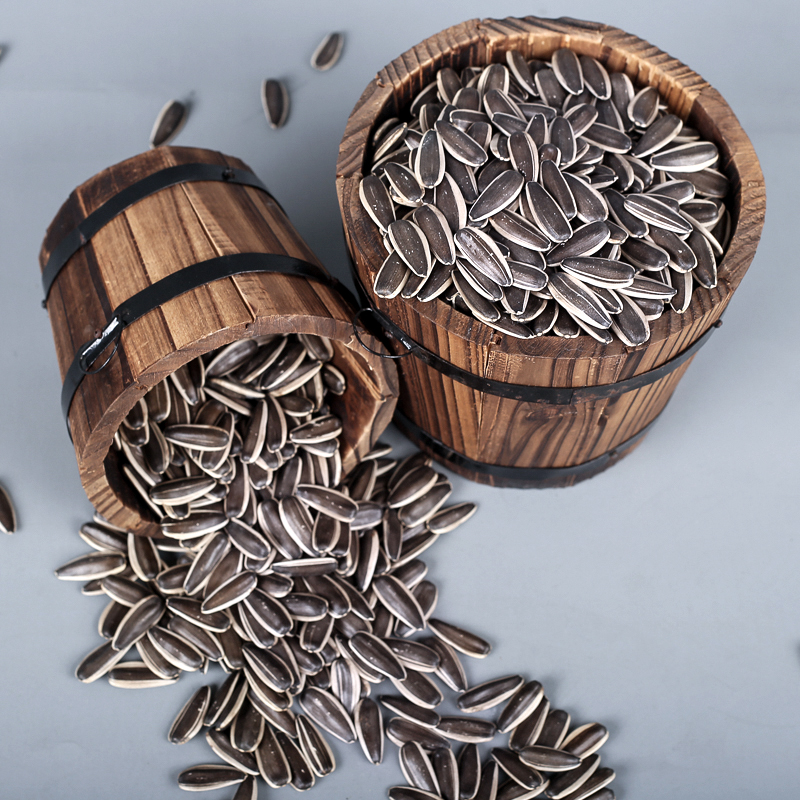
The performance of shelled sunflower seeds is assessed through several key engineering parameters. Shear force analysis is used to determine the force required to fracture the kernel, correlating to texture and chewiness. Moisture content, monitored using Karl Fischer titration, directly impacts shelf life and susceptibility to microbial growth. Oil stability, measured via Rancimat testing (AOCS Cd 12-92), quantifies the oxidation rate of the oil under accelerated aging conditions. Hull-free percentage, determined by visual inspection and automated optical sorting, indicates the efficiency of the dehulling process. Particle size distribution analysis, utilizing sieving techniques, characterizes the uniformity of the final product. Environmental resistance is largely focused on moisture barrier properties of packaging to prevent degradation. Compliance requirements are extensive, adhering to food safety regulations such as HACCP (Hazard Analysis and Critical Control Points) and GMP (Good Manufacturing Practices). Furthermore, allergen labeling requirements (e.g., potential cross-contamination in facilities processing other allergens) and heavy metal limits (lead, cadmium) set by regulatory bodies like the FDA and EFSA must be meticulously adhered to. Bulk density and flowability are also key engineering considerations for automated packaging systems.
Technical Specifications
| Parameter | Unit | Typical Value | Testing Method |
|---|---|---|---|
| Moisture Content | % | 6.0 - 8.0 | Karl Fischer Titration (AOCS Official Method) |
| Oil Content (Dry Basis) | % | 48 - 56 | Soxhlet Extraction (AOCS Official Method) |
| Protein Content (Dry Basis) | % | 20 - 25 | Kjeldahl Method (AOCS Official Method) |
| Hull-Free Percentage | % | >98 | Visual Inspection / Automated Sorting |
| Rancidity Value (Peroxide Value) | meq O2/kg | < 5.0 | AOCS Cd 8-53 |
| Kernel Size (Average Diameter) | mm | 8 - 12 | Sieve Analysis |
Failure Mode & Maintenance
Failure modes in shelled sunflower seeds primarily relate to quality degradation, impacting consumer acceptability. Lipid oxidation, leading to rancidity, is a common failure. This is accelerated by exposure to oxygen, light, and elevated temperatures. Kernel cracking during processing or handling is another issue, reducing visual appeal and potentially increasing dust formation. Microbial contamination (molds, bacteria) can occur if moisture content is too high or storage conditions are inadequate, presenting a food safety hazard. Flavor degradation, due to volatile compound loss or chemical reactions, affects taste and aroma. Maintenance strategies focus on preventative measures. Proper cleaning and sanitation of processing equipment are critical to minimize microbial contamination. Optimizing drying parameters to achieve target moisture content is essential. Utilizing oxygen-barrier packaging (e.g., metallized films, vacuum sealing) significantly extends shelf life by reducing oxidation. Regular monitoring of storage conditions (temperature, humidity) and performing periodic quality control tests (oil stability, moisture content) are crucial for detecting and addressing potential issues before they escalate. Implementing a robust traceability system allows for rapid identification and recall of affected batches if necessary.
Industry FAQ
Q: What are the primary factors influencing the shelf life of shelled sunflower seeds?
A: The primary factors are moisture content, oil quality (specifically susceptibility to oxidation), packaging material, and storage conditions. High moisture content promotes microbial growth, while unsaturated fatty acids in the oil are prone to oxidation, leading to rancidity. Oxygen-barrier packaging and storage in cool, dry conditions are crucial for extending shelf life.
Q: How do different dehulling methods impact kernel damage and yield?
A: Impact dehulling generally results in higher yields but can also cause more kernel damage (cracking, chipping). Friction dehulling is gentler on the kernels but may have lower yields. Optimizing parameters like impact force, roller gap, and feed rate is critical for balancing yield and quality.
Q: What quality control tests are essential for ensuring product consistency?
A: Essential tests include moisture content analysis (Karl Fischer titration), oil content determination (Soxhlet extraction), protein content analysis (Kjeldahl method), rancidity testing (Rancimat), hull-free percentage determination (visual inspection/optical sorting), and foreign material detection (visual inspection/metal detectors).
Q: How does the variety of sunflower seed influence oil content and fatty acid profile?
A: Different sunflower seed varieties exhibit significant variations in oil content and fatty acid composition. High oleic varieties, for example, have a higher proportion of oleic acid (a monounsaturated fatty acid) and greater oxidative stability compared to linoleic varieties. Choosing the appropriate variety is crucial for achieving desired product characteristics.
Q: What are the key regulatory requirements for shelled sunflower seed production and sale?
A: Key requirements include adherence to food safety regulations (HACCP, GMP), allergen labeling requirements, heavy metal limits (lead, cadmium) as specified by regulatory bodies like the FDA and EFSA, and accurate nutritional labeling. Compliance with pesticide residue limits is also critical.
Conclusion
Shelled sunflower seeds production necessitates a rigorous understanding of material science, manufacturing processes, and quality control parameters. Achieving optimal product performance—defined by consistent oil content, low moisture, minimal kernel damage, and extended shelf life—demands precise control throughout the entire supply chain, from seed selection and harvesting to processing, packaging, and storage. The industry's ongoing challenges revolve around mitigating lipid oxidation, ensuring food safety, and meeting evolving consumer demands for healthier snack options.
Future development will likely focus on advanced processing technologies (e.g., supercritical fluid extraction for oil refinement), innovative packaging materials with enhanced barrier properties, and the development of sunflower varieties with improved agronomic traits and nutritional profiles. Continuous monitoring and adherence to international standards are paramount for maintaining product quality and market competitiveness.
