Introduction
Shelled sunflower seeds represent a significant segment within the global snack food and oilseed processing industries. The manufacturing process, while seemingly straightforward, is subject to stringent quality control measures to ensure both palatability and adherence to food safety regulations. This technical guide provides an in-depth examination of shelled sunflower seed production, encompassing material science, manufacturing methodologies, performance characteristics, potential failure modes, and relevant industry standards. The industry faces critical challenges including maintaining consistent kernel integrity, preventing rancidity, optimizing dehulling efficiency, and minimizing the presence of foreign material. This guide is intended for engineers, procurement managers, quality control personnel, and operations managers within shelled sunflower seed processing facilities, and those involved in equipment design and supply.
Material Science & Manufacturing
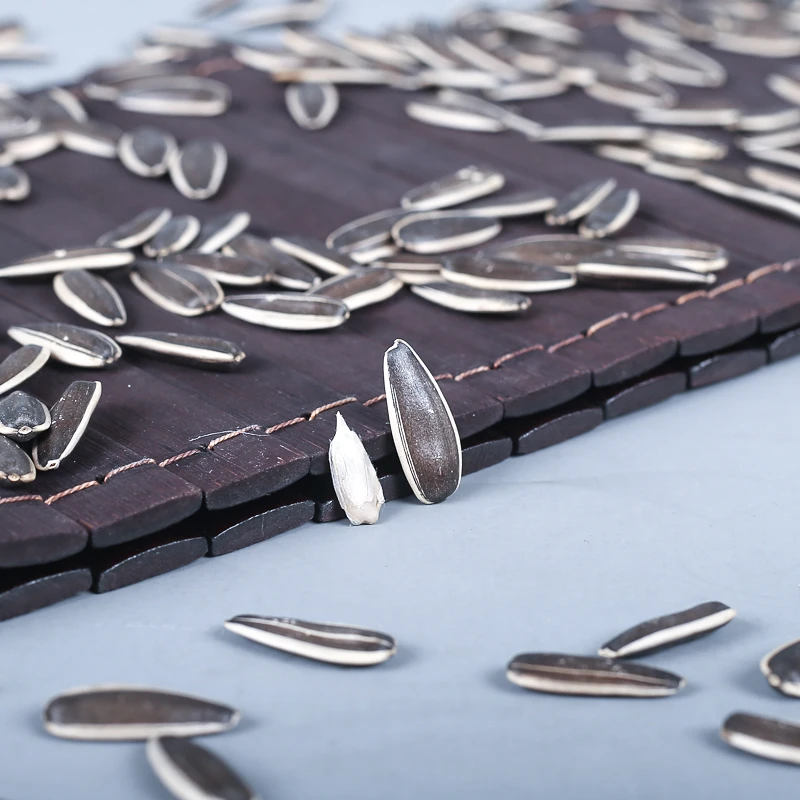
Sunflower seeds ( Helianthus annuus) are comprised primarily of an oil-rich kernel encased within a hull (pericarp). The kernel constitutes approximately 65-75% of the seed’s weight, with the remaining portion being the hull. The kernel’s composition consists of roughly 45-55% oil, 20-25% protein, 10-15% carbohydrates, and 5-10% fiber. Oil quality is crucial and is influenced by the sunflower variety (high oleic, mid-oleic, linoleic) and growing conditions. The hull, composed primarily of cellulose and lignin, provides physical protection. Manufacturing begins with harvesting, followed by drying to a moisture content of 8-10% to inhibit mold growth and facilitate dehulling. Dehulling is typically achieved through impact and friction using dehulling machines. Parameters crucial for optimization include rotor speed, clearance between rotors and the stationary surface, and feed rate. Inefficient dehulling leads to higher hull content in the final product and reduces processing efficiency. Following dehulling, seeds undergo cleaning (separation of hulls, stems, leaves, and foreign material) utilizing air separation, screening, and gravity separation techniques. Sorting, often automated using optical sensors, removes discolored or damaged kernels. Finally, seeds may be coated with seasonings or subjected to further processing (roasting, salting) before packaging. Control of temperature during roasting is paramount to prevent lipid oxidation and off-flavor development. Material compatibility between the seed, seasonings, and packaging material is also crucial for shelf life and product quality.
Performance & Engineering
The performance of shelled sunflower seeds is evaluated based on several key engineering parameters. Kernel integrity is critical; cracking or fragmentation during processing and handling impacts consumer acceptability. Force analysis during dehulling indicates the optimal force required to remove the hull without damaging the kernel. Hull content is a critical quality metric, typically targeted below 5%. Environmental resistance considerations include moisture uptake and its impact on rancidity. Sunflower oil is prone to oxidation, leading to off-flavors and a reduction in nutritional value. Packaging materials with low oxygen transmission rates (OTR) are therefore essential. Compliance requirements include adherence to food safety regulations (FDA, EFSA) regarding aflatoxin levels, pesticide residues, and heavy metal contamination. The use of properly calibrated metal detectors and regular testing for contaminants are vital. Furthermore, the packaging itself must comply with regulations regarding food contact materials. The engineering of dehulling machines focuses on minimizing kernel damage while maximizing throughput. This involves optimizing rotor design, materials of construction (wear resistance), and control systems. Efficient cleaning systems require careful consideration of air flow dynamics and screen sizing to effectively separate foreign material without significant seed loss.
Technical Specifications
| Parameter | Unit | Typical Range | Test Method |
|---|---|---|---|
| Kernel Moisture Content | % | 8-12 | AOAC 925.10 |
| Hull Content | % | < 3 | Visual Inspection/Weight Loss on Drying |
| Oil Content | % | 45-55 | Soxhlet Extraction (AOAC 920.39) |
| Free Fatty Acid (FFA) | % | < 0.5 | Titration (AOAC 920.12) |
| Peroxide Value (PV) | meq O2/kg | < 5 | Titration (AOAC 920.50) |
| Aflatoxin B1 | ppb | < 20 | ELISA or HPLC |
Failure Mode & Maintenance
Common failure modes in shelled sunflower seed processing include kernel cracking during dehulling, inconsistent hull removal, rancidity due to lipid oxidation, and contamination with foreign materials. Fatigue cracking can occur in dehulling machine components due to repeated stress. Delamination of coatings (e.g., salt, seasonings) can occur due to inadequate adhesion or moisture exposure. Degradation of sunflower oil leads to off-flavors and a decrease in nutritional value, driven by oxidation and hydrolysis. Oxidation is accelerated by light, heat, and the presence of metal ions. Maintenance of dehulling machines requires regular inspection and replacement of wear parts (rotors, screens). Lubrication is critical to reduce friction and prevent seizure. Cleaning systems require periodic cleaning to prevent clogging and ensure efficient operation. Proper storage of seeds is vital to minimize rancidity. This includes maintaining low temperatures, low humidity, and protection from light. Regular quality control checks, including oil analysis and sensory evaluation, are essential to identify and address potential problems before they impact product quality. Implementing a preventative maintenance schedule and adhering to strict sanitation procedures are key to minimizing failures and ensuring consistent product quality.
Industry FAQ
Q: What are the primary factors influencing the shelf life of shelled sunflower seeds?
A: The primary factors are oil content and quality, moisture content, packaging permeability (OTR/WTR), storage temperature, and exposure to light. High oil content, especially unsaturated fatty acids, makes the seeds susceptible to rancidity. Moisture promotes microbial growth and accelerates oxidation. Permeable packaging allows oxygen ingress, accelerating oxidation. Lower storage temperatures and protection from light significantly extend shelf life.
Q: How can we minimize kernel damage during the dehulling process?
A: Optimizing dehulling machine parameters is crucial. This includes adjusting rotor speed, minimizing clearance between rotors and the stationary surface, controlling feed rate, and ensuring proper machine maintenance. Using appropriately sized and designed rotors for the specific sunflower variety is also important.
Q: What are the acceptable limits for aflatoxin contamination, and how can we ensure compliance?
A: Acceptable limits vary by region but are generally below 20 ppb for total aflatoxins as regulated by the FDA and EU. Compliance requires sourcing seeds from reputable suppliers, implementing rigorous quality control testing using ELISA or HPLC, and establishing a robust traceability system.
Q: What type of packaging material is best suited for shelled sunflower seeds to prevent rancidity?
A: Packaging materials with low oxygen transmission rates (OTR) and moisture vapor transmission rates (WVTR) are essential. Metalized films, multi-layer laminates with barrier layers (e.g., EVOH), and vacuum packaging are commonly used. Modified atmosphere packaging (MAP) with nitrogen flushing can further extend shelf life.
Q: What maintenance procedures are critical for dehulling equipment to ensure optimal performance?
A: Regular inspection and replacement of wear parts (rotors, screens, bearings), proper lubrication, cleaning to prevent clogging, and alignment checks are critical. Maintaining detailed maintenance logs and adhering to the manufacturer’s recommended schedule are essential. Periodic vibration analysis can identify potential bearing failures before they occur.
Conclusion
The production of high-quality shelled sunflower seeds demands a comprehensive understanding of material science, meticulous control of manufacturing processes, and strict adherence to quality standards. Maintaining kernel integrity during dehulling, preventing rancidity through appropriate packaging and storage, and ensuring compliance with food safety regulations are paramount. Efficient operation of dehulling and cleaning equipment, coupled with a robust maintenance program, is essential for maximizing throughput and minimizing downtime.
Future trends in the industry focus on optimizing dehulling technology to further reduce kernel damage, developing novel packaging materials with enhanced barrier properties, and implementing advanced analytical techniques for rapid detection of contaminants. Continuous improvement in quality control procedures and a commitment to sustainability will be key to success in the increasingly competitive shelled sunflower seed market.
