
Introduction
Shelled sunflower seed factories represent a critical node in the agricultural processing chain, transforming raw sunflower seeds into a commercially valuable food product. These facilities operate within a complex system encompassing agricultural production, post-harvest handling, mechanical processing, quality control, and packaging. The industry faces increasing demands for high product purity, consistent kernel size, minimal shell fragments, and adherence to stringent food safety regulations. This guide provides a comprehensive technical overview of shelled sunflower seed factory operations, addressing material science, manufacturing processes, performance parameters, potential failure modes, and relevant industry standards. A key pain point for operators is maximizing yield while minimizing damage to the kernels, which impacts both profitability and product quality. Another significant concern is effectively controlling foreign material contamination and ensuring compliance with international food safety standards like HACCP and GMP.
Material Science & Manufacturing
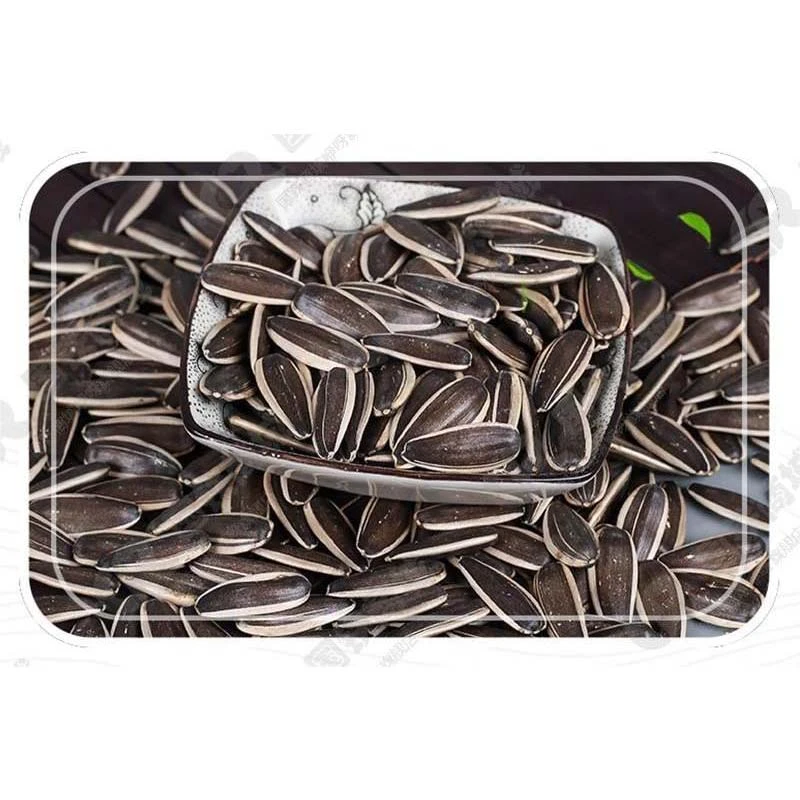
Sunflower seeds (Helianthus annuus) themselves exhibit significant variability in composition depending on genetics, growing conditions, and maturity. The seed consists of a hull (shell) typically comprising 20-30% of the seed weight, a kernel (meat) rich in oil (40-50%) and protein (20-25%), and a small embryonic root. The hull is composed primarily of cellulose and lignin, providing structural integrity, while the kernel’s oil content is dominated by linoleic acid, an omega-6 fatty acid. Manufacturing begins with pre-cleaning to remove stems, leaves, and large debris. This is followed by dehulling, a crucial step utilizing impact and friction to separate the kernel from the hull. Dehulling machines typically employ rotating abrasive surfaces or impactors. Parameter control is critical: excessive impact leads to kernel breakage and increased fines, while insufficient force results in incomplete hull removal. Following dehulling, the kernels undergo further cleaning to remove residual hull fragments. Size grading is then performed, typically using vibrating screens, to separate kernels based on dimensions. Sorting, often employing optical sensors, identifies and removes discolored or damaged kernels. Finally, the kernels are packaged to maintain freshness and prevent oxidation. The materials used in the factory's construction, such as stainless steel (304/316 grades for food contact surfaces) are chosen for their corrosion resistance and ease of sanitation. Conveyor belts are frequently made of food-grade polyurethane or polypropylene, and machine components exposed to abrasive materials utilize hardened steel alloys.
Performance & Engineering
The performance of a shelled sunflower seed factory hinges on several key engineering principles. Force analysis is vital in dehulling; understanding the impact force required to fracture the hull without damaging the kernel is paramount. This is influenced by seed moisture content – higher moisture content increases hull brittleness but also promotes microbial growth. Environmental resistance is important for seed storage; maintaining low temperature and humidity (below 60% RH) minimizes rancidity and insect infestation. Compliance requirements are extensive, driven by food safety regulations. HACCP (Hazard Analysis and Critical Control Points) plans must identify and control potential hazards throughout the process, from raw material sourcing to final product packaging. GMP (Good Manufacturing Practices) dictate standards for sanitation, personnel hygiene, and equipment maintenance. Functional implementation of optical sorting systems relies on precise calibration of color sensors and efficient rejection mechanisms. The system must be able to differentiate between sound kernels, discolored kernels, and foreign materials with high accuracy. Kernel breakage during processing represents a significant performance loss, impacting yield and requiring further separation. Furthermore, efficient dust collection systems are necessary to prevent fire hazards and maintain air quality. Regular monitoring of machine vibration and bearing temperatures are essential preventative maintenance practices.
Technical Specifications
| Parameter | Unit | Typical Value | Acceptable Range |
|---|---|---|---|
| Kernel Moisture Content | % (wet basis) | 8-10 | 7-12 |
| Hull Removal Rate | % | 98+ | 95-99 |
| Kernel Damage (Broken/Chipped) | % | 2-5 | 0-8 |
| Foreign Material Content | ppm (parts per million) | <50 | <100 |
| Oil Content (Kernel) | % (dry basis) | 48-52 | 45-55 |
| Kernel Size (Avg. Length) | mm | 12-16 | 10-18 |
Failure Mode & Maintenance
Several failure modes can affect shelled sunflower seed factory operations. Fatigue cracking in dehulling machine components, particularly impact plates and rotating drums, is common due to repetitive stress. This can be mitigated through regular inspection, material selection (high-strength steel alloys), and preventative replacement. Delamination of conveyor belts can occur due to wear and tear, or exposure to incompatible cleaning agents. Proper belt tensioning and the use of food-grade lubricants are crucial. Degradation of optical sorting system sensors (color sensors, cameras) is inevitable, leading to reduced accuracy. Regular calibration and cleaning are essential maintenance procedures. Oxidation of sunflower kernels, leading to rancidity, is a significant concern. This is accelerated by exposure to oxygen, light, and elevated temperatures. Proper storage conditions and the use of antioxidant packaging materials (e.g., nitrogen flushing) can minimize oxidation. Blockages in conveying systems, caused by seed accumulation or foreign material, can lead to downtime. Regular cleaning and the installation of vibration-induced fluidization systems can prevent blockages. Bearing failure in rotating equipment is a common mechanical issue; implementing a scheduled lubrication program and monitoring bearing temperatures can detect and prevent failures. Maintenance schedules should include routine inspections, lubrication, component replacement, and calibration procedures, documented in a CMMS (Computerized Maintenance Management System) for tracking and optimization.
Industry FAQ
Q: What are the primary causes of kernel breakage during the dehulling process?
A: Kernel breakage is often caused by excessive impact force during dehulling, typically due to incorrect machine settings, improper seed moisture content (too low), or worn dehulling surfaces. Insufficient clearance between rotating elements can also contribute. Optimizing these factors is crucial for minimizing damage.
Q: How can we effectively control foreign material contamination in the final product?
A: A multi-stage approach is essential. This includes thorough pre-cleaning of raw sunflower seeds, utilizing aspiration systems to remove lightweight debris, employing effective screening and grading to separate kernels from hulls and other materials, and implementing optical sorting to identify and remove discolored or damaged kernels and remaining foreign objects. Strict sanitation protocols are also vital.
Q: What is the significance of kernel moisture content, and how is it controlled?
A: Kernel moisture content significantly impacts dehulling efficiency and kernel quality. Lower moisture content makes hulls harder to remove, increasing breakage. Higher moisture content can promote microbial growth. Moisture content is controlled through proper drying of raw seeds before processing and by managing humidity levels in storage areas.
Q: What are the key considerations for selecting materials used in food contact areas?
A: Materials must be food-grade, non-toxic, corrosion-resistant, and easy to clean and sanitize. Stainless steel (304 or 316 grade) is commonly used for surfaces in direct contact with kernels. Conveyor belts should be made of food-grade polyurethane or polypropylene. Materials should not leach chemicals into the product or harbor bacteria.
Q: What role does optical sorting play in ensuring product quality?
A: Optical sorting is a critical quality control step. It allows for the identification and removal of discolored, damaged, or otherwise defective kernels, as well as foreign materials. The technology uses cameras and sensors to analyze kernel characteristics and automatically reject substandard products, significantly improving overall product purity and appearance.
Conclusion
The successful operation of a shelled sunflower seed factory demands a deep understanding of material science, precise control of manufacturing parameters, and adherence to stringent quality and safety standards. Optimizing the dehulling process to maximize kernel yield while minimizing damage remains a central challenge. Implementing robust preventative maintenance programs and leveraging advanced technologies like optical sorting are crucial for maintaining consistent product quality and operational efficiency.
Future developments in the industry will likely focus on automating more aspects of the process, improving sensor technology for more accurate sorting, and developing more sustainable processing methods to reduce energy consumption and waste generation. Continued research into seed genetics and pre-harvest handling practices will also play a role in enhancing the overall efficiency and profitability of shelled sunflower seed production.
