Introduction
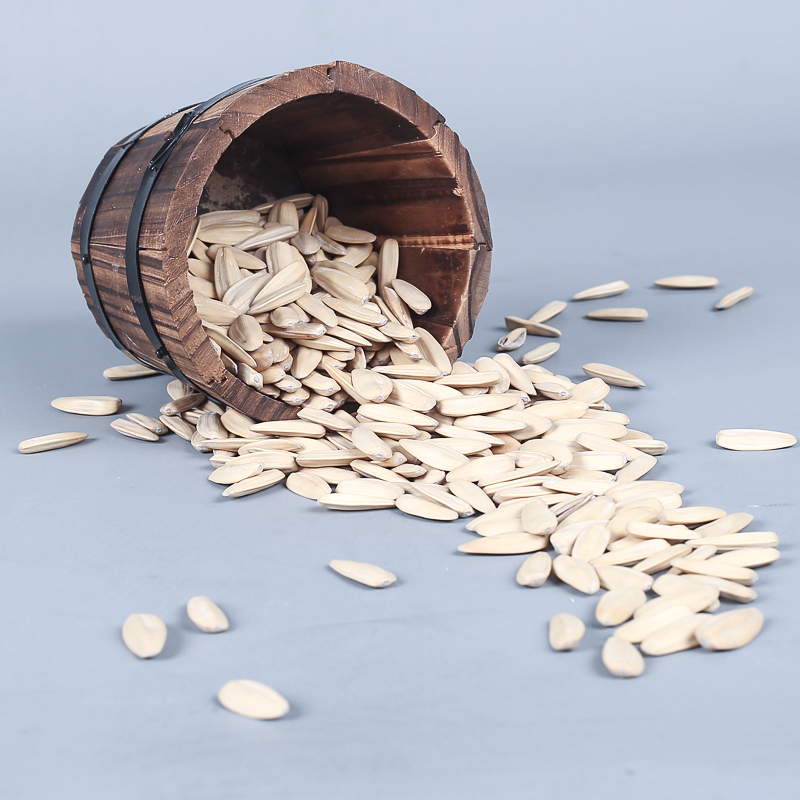
Shelled sunflower seed factories represent a crucial segment of the agricultural processing industry, converting raw sunflower seeds into a readily consumable product. Technically positioned between agricultural production and consumer packaged goods, these facilities perform critical operations encompassing cleaning, dehulling, grading, processing (drying, seasoning, roasting), quality control, and packaging. Core performance is defined by processing efficiency (seeds processed per hour), kernel yield (percentage of kernel recovered from raw seed), product quality (low foreign material, proper moisture content, acceptable kernel damage), and adherence to food safety standards. The industry faces ongoing challenges regarding automation to reduce labor costs, optimization of dehulling processes to minimize kernel breakage, and maintaining consistent quality despite variations in incoming raw material. Achieving high throughput with minimal damage and consistent quality remains the central engineering challenge.
Material Science & Manufacturing
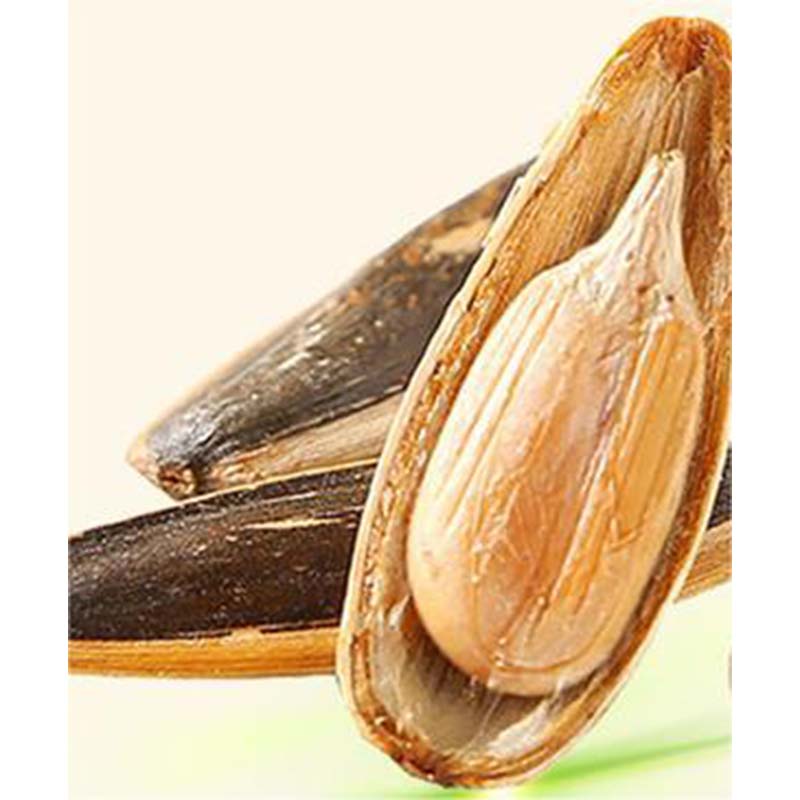
Raw sunflower seeds comprise a hull (pericarp) typically constituting 20-30% of the seed’s weight, and a kernel containing approximately 50-65% oil, 20-25% protein, and 10-15% carbohydrates. The hull’s material properties are characterized by high lignin content and cellulosic fibers, providing structural rigidity. Kernel composition varies with sunflower variety, impacting oil quality and protein profile. Manufacturing begins with cleaning, utilizing air separators, screens, and sometimes magnetic separators to remove foreign materials like stalks, leaves, and metal fragments. Dehulling is the primary process, achieved through impact dehullers (using rotating abrasive surfaces) or roller dehullers (employing counter-rotating rollers with adjustable gaps). Parameter control is critical: roller gap in roller dehullers directly impacts breakage rate; impact speed and abrasive surface material in impact dehullers influence dehulling efficiency. Subsequent drying, typically using fluid bed dryers, reduces moisture content to approximately 7-9% for preservation. Seasoning involves applying salt or other flavorings. Roasting, conducted in rotary or fluid bed roasters, develops flavor and texture. Packaging utilizes materials like polyethylene (PE) or polypropylene (PP) films, requiring hermetic sealing to maintain freshness. Material selection for processing equipment (stainless steel 304/316 is common) must consider abrasion resistance and corrosion resistance due to the presence of oils and salts.
Performance & Engineering
Performance analysis centers around minimizing kernel damage during dehulling. Force analysis reveals that impact and shear stresses dominate during the dehulling process. Reducing these stresses requires optimizing machine parameters and seed flow rates. Environmental resistance focuses on maintaining stable operating conditions (temperature and humidity) to prevent clumping during processing and maintain product quality. The seeds' moisture content significantly impacts their mechanical properties, and thus dehulling efficiency. Compliance requirements are rigorous, falling under food safety regulations like HACCP (Hazard Analysis and Critical Control Points), and sanitation standards outlined by organizations like the FDA (Food and Drug Administration) in the US, or EFSA (European Food Safety Authority) in Europe. Functional implementation includes automated sorting systems (optical sorters using color and shape detection) to remove discolored or broken kernels. Dust control is paramount, requiring robust ventilation and filtration systems to prevent explosion hazards (sunflower seed dust is combustible). System efficiency is calculated by tracking overall equipment effectiveness (OEE) incorporating availability, performance and quality rates. Further, ensuring uniform roasting requires precise temperature and airflow control within the roasting equipment to prevent scorching or uneven cooking.
Technical Specifications
| Parameter | Unit | Typical Value | Acceptable Range |
|---|---|---|---|
| Kernel Moisture Content | % | 7.5 | 6.5 - 8.5 |
| Kernel Damage (Broken/Split) | % | 2.0 | ≤ 5.0 |
| Foreign Material | % | 0.1 | ≤ 0.5 |
| Oil Content (Kernel) | % | 48 | 45 - 52 |
| Hull-Kernel Separation Efficiency | % | 95 | ≥ 90 |
| Processing Capacity | tons/hour | 2-5 | 1-10 (dependent on facility size) |
Failure Mode & Maintenance
Common failure modes include fatigue cracking in dehulling rollers, leading to uneven seed processing and increased kernel damage. Delamination of abrasive surfaces in impact dehullers reduces dehulling efficiency. Bearing failure in rotating equipment (dehullers, dryers, roasters) is frequent, often caused by improper lubrication or contamination. Oxidation and corrosion of stainless steel components, particularly in humid environments, reduce equipment lifespan. Another critical issue is clogging in air separators and conveying systems, caused by buildup of seed dust and debris. Maintenance solutions involve preventative maintenance schedules including routine lubrication, inspection for wear and tear, and replacement of worn parts. Non-destructive testing (NDT) techniques like ultrasonic testing can detect cracks in rollers before they lead to catastrophic failure. Regular cleaning of dust collection systems is crucial for preventing fires. Corrosion-resistant coatings can extend the life of stainless steel components. Proper alignment of rollers and shafts minimizes bearing stress. Implementing vibration analysis can detect developing bearing faults early.
Industry FAQ
Q: What is the primary cause of kernel breakage during dehulling, and how can it be minimized?
A: The primary cause of kernel breakage is excessive impact or shear stress during the dehulling process. This can be minimized by carefully adjusting the roller gap in roller dehullers, optimizing the impact speed and abrasive surface in impact dehullers, controlling seed flow rate, and ensuring proper moisture content of the seeds. Consistent seed quality is also critical.
Q: How does the moisture content of raw sunflower seeds impact processing efficiency?
A: Optimal moisture content (typically around 10-12%) is crucial. Too low, and seeds become brittle, leading to increased breakage. Too high, and seeds become sticky, causing clogging and reduced dehulling efficiency. Precise moisture control via pre-drying is essential.
Q: What are the key considerations for selecting materials for equipment that comes into contact with sunflower seeds?
A: Stainless steel (304 or 316) is the preferred material due to its corrosion resistance, hygiene properties, and durability. Abrasion resistance is also important, particularly for dehulling equipment. Materials should be FDA-compliant or equivalent for food contact applications.
Q: What role do optical sorters play in maintaining product quality?
A: Optical sorters use cameras and image processing algorithms to detect and remove discolored, broken, or foreign materials from the seed stream. They significantly improve product quality and reduce the need for manual sorting, increasing throughput and efficiency.
Q: What are the key safety hazards in a shelled sunflower seed factory, and how are they mitigated?
A: Key hazards include dust explosion risk (from sunflower seed dust), mechanical hazards (from rotating equipment), and potential for food contamination. Mitigation strategies involve robust dust collection systems, machine guarding, regular maintenance, strict sanitation protocols, and adherence to HACCP principles.
Conclusion
The efficient operation of shelled sunflower seed factories hinges on a deep understanding of the material science of sunflower seeds, precise control of manufacturing processes, and rigorous adherence to food safety standards. Optimizing the dehulling stage, minimizing kernel damage, and maintaining consistent product quality are paramount engineering goals. Advances in automation, optical sorting, and process control are continually enhancing operational efficiency and product quality.
Looking forward, research and development efforts will likely focus on improving dehulling technologies to further reduce breakage, developing more effective dust control systems, and implementing real-time quality monitoring systems based on machine learning and advanced sensor technologies. The integration of Industry 4.0 principles will be critical for maximizing efficiency and responsiveness in this competitive market.
