Introduction
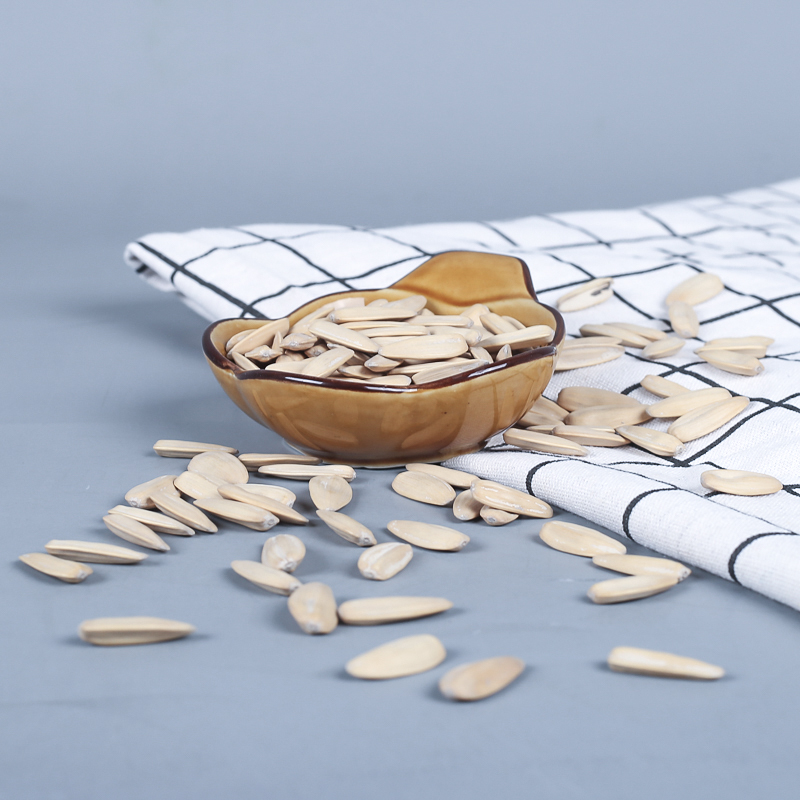
Shelled sunflower seeds represent a significant commodity in the global agricultural trade, positioned as both a direct consumer food product and a vital component in various industrial applications, including oil extraction and animal feed. This technical guide provides an in-depth analysis of shelled sunflower seeds, encompassing their material science, manufacturing processes, performance characteristics, potential failure modes, and relevant industry standards. The export market demands strict adherence to quality control, encompassing seed size, oil content, moisture levels, and freedom from contaminants. Core performance metrics center on seed integrity during transport, minimizing kernel breakage, and preserving nutritional value. This guide is intended for procurement managers, quality control engineers, and logistics professionals involved in the international trade of shelled sunflower seeds.
Material Science & Manufacturing
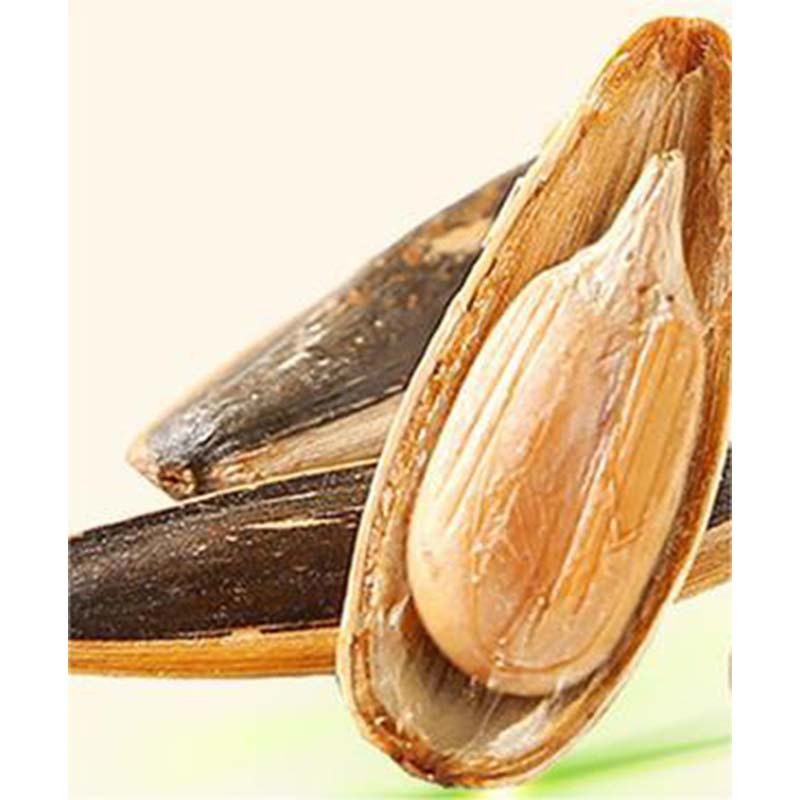
Sunflower seeds (Helianthus annuus) are comprised of approximately 35-50% oil, 20-30% protein, 15-20% carbohydrates, and 5-10% moisture content, alongside essential vitamins and minerals. The seed hull, or pericarp, is primarily cellulose and lignin, providing structural integrity. Seed kernel composition varies based on genetics and growing conditions, impacting oil profile (oleic vs. linoleic acid) and protein content. Manufacturing begins with harvesting, followed by drying to achieve a moisture content of 8-10% to inhibit microbial growth and prevent enzymatic degradation. Dehulling is typically achieved mechanically via impact or friction, utilizing rotating abrasive surfaces. This process requires precise control of impact force to maximize kernel recovery while minimizing damage. Size grading is subsequently performed using screens to separate seeds based on diameter, impacting market value. Quality control at this stage includes visual inspection for discoloration, foreign material, and broken kernels. Optical sorting technologies employing near-infrared spectroscopy are increasingly used to detect and remove defective seeds based on internal quality parameters. Storage requires controlled temperature (below 15°C) and humidity (below 65%) to prevent rancidity and maintain germination viability if intended for seed production. Packaging materials must provide a barrier against moisture and oxygen.
Performance & Engineering
The performance of shelled sunflower seeds in export logistics is critically linked to their mechanical strength and resistance to environmental factors. Kernel breakage during handling and transport is a primary concern, reducing marketable yield and increasing dust generation. Force analysis demonstrates that seeds withstand compressive forces up to 50 MPa before cracking, although this varies with moisture content. Lower moisture levels increase brittleness. Environmental resistance focuses on maintaining seed viability and preventing lipid oxidation. Oxygen transmission rate (OTR) through packaging materials is a key parameter, with target values below 5 cm³/m²/day. Water vapor transmission rate (WVTR) should be less than 3 g/m²/day to prevent moisture uptake. Compliance requirements include adherence to phytosanitary regulations governing seed-borne pathogens and pest control. Further, residue limits for pesticides and heavy metals must meet the standards of importing countries (e.g., EU regulations, US FDA guidelines). Functional implementation considers the intended end-use: human consumption requires higher purity and lower levels of defects compared to animal feed applications. The stability of oil during long-term storage is a crucial performance factor, evaluated via peroxide value and fatty acid profile analysis. Temperature control throughout the supply chain is vital to minimize oxidative degradation.
Technical Specifications
| Parameter | Unit | Specification (Standard Grade) | Specification (Premium Grade) |
|---|---|---|---|
| Kernel Moisture Content | % (w/w) | ≤ 10.0 | ≤ 8.5 |
| Kernel Oil Content (Dry Basis) | % (w/w) | ≥ 40.0 | ≥ 45.0 |
| Kernel Broken Percentage | % (w/w) | ≤ 5.0 | ≤ 2.0 |
| Foreign Matter Percentage | % (w/w) | ≤ 1.0 | ≤ 0.5 |
| Acid Value | mg KOH/g oil | ≤ 0.5 | ≤ 0.3 |
| Peroxide Value | meq O₂/kg oil | ≤ 10.0 | ≤ 5.0 |
Failure Mode & Maintenance
Failure modes in shelled sunflower seeds during export can be categorized into physical damage, biochemical degradation, and biological contamination. Physical damage, primarily kernel breakage, occurs due to improper handling, excessive compression during transport, or impact during dehulling. Fatigue cracking can develop in the seed coat due to repeated stress. Biochemical degradation includes lipid oxidation (rancidity) caused by exposure to oxygen and elevated temperatures. This results in off-flavors and reduced nutritional value. Maintenance against this involves proper packaging and temperature control. Moisture absorption can promote fungal growth (e.g., Aspergillus species), leading to aflatoxin contamination, a significant safety concern. Insect infestation is another potential failure mode, causing damage and reducing seed quality. Preventive maintenance includes implementing robust pest control measures during storage and transport. Regular monitoring of moisture content, oil quality (acid and peroxide values), and aflatoxin levels is critical. Storage facilities should be regularly cleaned and sanitized to minimize microbial growth. Packaging should be inspected for integrity to prevent ingress of moisture and pests. For long-term storage, controlled atmosphere storage (reducing oxygen levels) can significantly extend shelf life.
Industry FAQ
Q: What are the critical considerations for packaging materials to maintain seed quality during long-haul ocean freight?
A: For long-haul ocean freight, packaging materials must provide a robust barrier against moisture, oxygen, and physical damage. Multi-layer packaging utilizing polyethylene (PE) liners within woven polypropylene (PP) bags is common. The PE liner should have a low OTR and WVTR. Consideration should also be given to UV protection to prevent degradation of lipids. Palletization and secure strapping are essential to prevent shifting and compression during transit.
Q: How does seed variety impact the oil profile and storage stability, and what testing is recommended?
A: Seed variety significantly influences the oil profile, with high-oleic varieties exhibiting greater oxidative stability compared to high-linoleic varieties. Testing should include fatty acid profile analysis (GC-FID) to determine the proportion of oleic, linoleic, and palmitic acids. Storage stability can be assessed through accelerated aging studies (exposure to elevated temperatures and humidity) followed by measurement of peroxide value and acid value.
Q: What are the acceptable limits for aflatoxin contamination as per international standards, and what preventative measures are most effective?
A: Acceptable limits for aflatoxin contamination vary by importing country. The EU regulations set a maximum limit of 2 ppb for total aflatoxins in sunflower seeds. The US FDA has similar limits. Effective preventative measures include sourcing seeds from regions with low aflatoxin prevalence, implementing rigorous pre-harvest monitoring for fungal infection, proper drying to minimize moisture content, and storing seeds in clean, dry facilities. Regular testing for aflatoxins using ELISA or HPLC methods is essential.
Q: What is the significance of the "kernel soundness" parameter, and how is it assessed during quality control?
A: Kernel soundness refers to the physical integrity of the seed kernel, encompassing the absence of cracks, chips, discoloration, or insect damage. It is a crucial indicator of quality and potential for further processing. Assessment involves visual inspection and automated image analysis using computer vision systems. Soundness is typically expressed as a percentage of undamaged kernels.
Q: What role does temperature control play in preserving seed quality during storage and transport, and what are the recommended temperature ranges?
A: Temperature control is paramount in preserving seed quality. Elevated temperatures accelerate lipid oxidation and increase the risk of insect infestation. The recommended storage temperature is below 15°C (59°F), with optimal conditions being between 5-10°C (41-50°F). During transport, maintaining temperatures below 25°C (77°F) is crucial. Temperature monitoring devices should be used throughout the supply chain to ensure compliance.
Conclusion
The successful export of shelled sunflower seeds hinges upon a comprehensive understanding of their material properties, manufacturing nuances, and susceptibility to degradation. Maintaining stringent quality control across the entire supply chain – from harvesting and dehulling to packaging, storage, and transport – is essential for minimizing losses due to physical damage, biochemical changes, and biological contamination. Adherence to international standards regarding seed quality, aflatoxin levels, and phytosanitary regulations is non-negotiable for accessing key export markets.
Future trends in the industry are likely to focus on improved seed varieties with enhanced oil profiles and oxidative stability, advancements in optical sorting technologies for more precise quality control, and the development of biodegradable packaging materials to reduce environmental impact. Continuous monitoring of evolving regulatory requirements and proactive implementation of best practices will be critical for maintaining a competitive edge in the global shelled sunflower seed market.
