Introduction
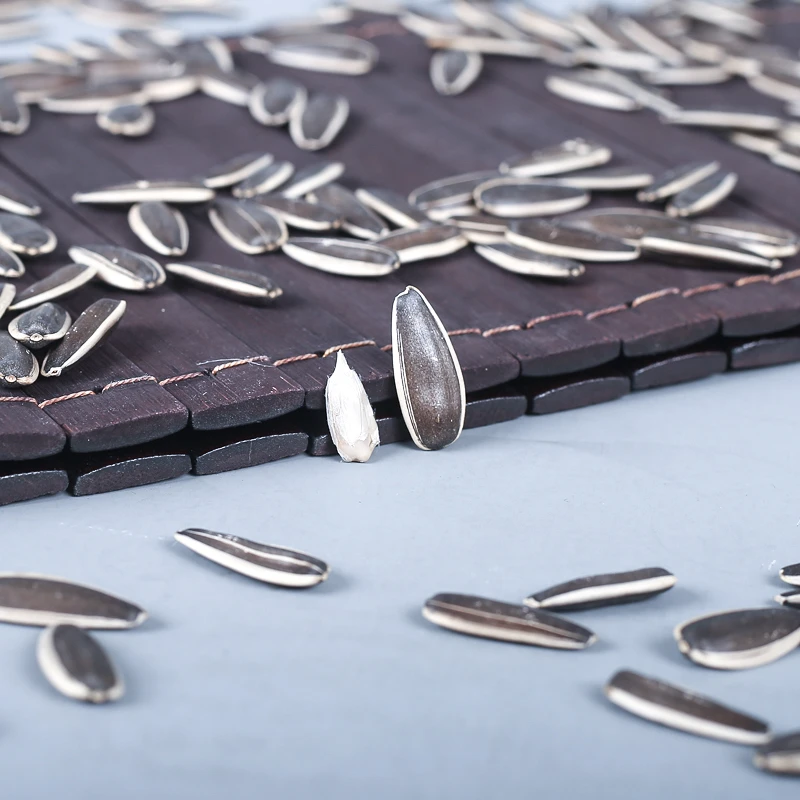
Seedless sunflower seeds, Helianthus annuus, represent a specialized segment within the broader sunflower seed industry. These seeds, specifically bred for reduced hull size and kernel development without mature seed formation, are primarily consumed as a snack food. Their technical position within the agricultural supply chain lies between primary agricultural production and the confectionary/snack food manufacturing sectors. Core performance characteristics center on kernel size consistency, oil content, protein content, moisture content, and, critically, hull reduction. The industry faces persistent challenges related to achieving consistent seedlessness across varieties, optimizing oil profiles for extended shelf life, and maintaining acceptable levels of mycotoxin contamination. Suppliers must adhere to stringent quality control measures, traceability protocols, and meet evolving consumer demands for healthy and convenient snack options. The efficiency of dehulling processes, directly impacting processing costs, is also a key area of supplier focus. Effective seedless sunflower seed suppliers must integrate advancements in breeding, agronomy, and post-harvest handling to maintain competitiveness.
Material Science & Manufacturing
The fundamental raw material is the sunflower plant itself, with its genetic composition dictating the seed’s inherent characteristics. Sunflower seeds are composed primarily of oil (40-50%), protein (20-25%), carbohydrates (15-20%), and fiber (5-10%). The hull, or pericarp, is composed primarily of cellulose, hemicellulose, and lignin. Seedlessness is achieved through genetic mutations affecting embryo development, resulting in enlarged cotyledons and a reduced or absent seed within. Manufacturing begins with controlled cultivation, prioritizing soil composition, irrigation, and pest management. Harvesting requires precise timing to maximize kernel maturity and minimize field losses. Post-harvest processing involves cleaning, drying (typically to 8-10% moisture content), dehulling, and grading. Dehulling is critical, employing mechanical abrasion, impact, and aspiration techniques. Parameter control is paramount: temperature and humidity during drying must be meticulously managed to prevent lipid oxidation and preserve oil quality. Dehulling pressure and rotor speed affect hull removal efficiency and kernel damage. Grading utilizes screens and optical sorters to separate seeds based on size, shape, and color, removing damaged or discolored kernels. Nitrogen flushing is often employed during packaging to minimize oxidative rancidity. The chemical compatibility of processing equipment materials (stainless steel is preferred) with the oils and potential mycotoxins present is crucial to prevent contamination.
Performance & Engineering
Performance evaluation of seedless sunflower seeds hinges on several engineering considerations. Force analysis during dehulling dictates equipment design; minimizing impact forces reduces kernel breakage. The tensile strength of the hull and kernel significantly impacts dehulling efficiency. Environmental resistance, particularly concerning moisture regain and oxidation stability, influences shelf life. Oil stability index (OSI) is a key metric, measuring the time required for peroxide value to reach a defined level. Packaging materials must provide a robust barrier against oxygen, light, and moisture. Compliance requirements are extensive, encompassing food safety regulations (FDA in the US, EFSA in Europe), pesticide residue limits (established by Codex Alimentarius), and mycotoxin levels (aflatoxins, ochratoxin A). Functional implementation involves ensuring consistent kernel size for automated packaging lines. Kernel density and shape impact flowability, affecting packaging speed and accuracy. The design of drying systems must consider heat transfer coefficients and airflow rates to optimize energy efficiency and prevent overheating. Storage conditions (temperature, humidity, and ventilation) are critical to maintain seed quality and prevent insect infestations. Hull fragments present during processing can cause equipment wear and necessitate more frequent cleaning cycles, impacting operational costs.
Technical Specifications
| Parameter | Unit | Typical Range | Testing Method |
|---|---|---|---|
| Kernel Oil Content | % (Dry Basis) | 48-58 | Soxhlet Extraction (AOCS Official Method) |
| Kernel Protein Content | % (Dry Basis) | 20-28 | Kjeldahl Method (AOCS Official Method) |
| Moisture Content | % | 8-10 | Oven Drying (AACC Method) |
| Hull Percentage | % | < 5 (ideally <3) | Visual Sorting & Weight Difference |
| Kernel Size (Diameter) | mm | 8-12 | Sieve Analysis |
| Aflatoxin B1 | ppb | < 20 | ELISA Method (AOAC Official Method) |
Failure Mode & Maintenance
Failure modes in seedless sunflower seeds are multifaceted. Lipid oxidation, leading to rancidity and off-flavors, is a primary concern, accelerated by exposure to oxygen, light, and elevated temperatures. Kernel cracking during dehulling or handling results in yield loss and reduced quality. Mycotoxin contamination, particularly aflatoxins, poses a significant food safety risk. Moisture regain during storage promotes fungal growth and insect infestations. Hull fragments remaining on kernels can affect product appearance and texture. Maintenance of processing equipment is critical to prevent these failures. Regular cleaning of dehulling equipment minimizes abrasive wear and prevents cross-contamination. Lubrication of moving parts reduces friction and extends equipment lifespan. Calibration of sorting equipment ensures accurate grading and removal of defective kernels. Monitoring and control of drying temperatures and humidity levels prevent lipid oxidation and preserve oil quality. Implementation of a robust pest management program minimizes insect infestations. Regular inspection of storage facilities for leaks and structural damage prevents moisture ingress. Preventative maintenance schedules, including bearing replacements and belt adjustments, reduce downtime and maintain optimal performance.
Industry FAQ
Q: What are the key differences in processing seedless sunflower seeds versus traditional hulled sunflower seeds?
A: Seedless sunflower seeds require significantly more precise dehulling parameters to minimize kernel damage due to their inherently delicate structure. Traditional hulled seeds have a more robust kernel and can tolerate higher dehulling pressures. Furthermore, seedless varieties often have a higher oil content, making them more susceptible to oxidative rancidity and requiring more stringent packaging and storage controls. Quality control regarding residual hull fragments is also far more critical for seedless products, impacting consumer acceptability.
Q: How do you guarantee consistently low aflatoxin levels in your seedless sunflower seeds?
A: Our aflatoxin control program begins with careful supplier selection, auditing their agricultural practices and pre-harvest testing protocols. We implement rigorous in-process monitoring throughout the entire supply chain, utilizing rapid testing methods (ELISA) to identify and segregate any potentially contaminated batches. Furthermore, we employ post-harvest treatments like cleaning and sorting to remove any damaged kernels, which are more prone to fungal growth. Detailed record-keeping and traceability are integral to our program.
Q: What is the expected shelf life of your seedless sunflower seeds under optimal storage conditions?
A: Under optimal storage conditions – cool temperature (15-20°C), low humidity (<60%), and nitrogen-flushed packaging – we guarantee a shelf life of 12 months from the date of manufacture. However, shelf life can be reduced by exposure to higher temperatures, humidity, or oxygen. We routinely conduct shelf-life studies to validate our claims.
Q: What specific certifications and compliance standards do you adhere to?
A: We maintain certifications including HACCP, GMP, and BRC. We comply with all relevant FDA regulations for food safety, including those pertaining to pesticide residues and mycotoxin levels. We also adhere to European Union regulations concerning food safety and traceability. Documentation is readily available upon request to demonstrate our commitment to compliance.
Q: How do you address the challenge of kernel size variability in seedless sunflower seed production?
A: Kernel size variability is a persistent challenge inherent in seedless varieties. We employ advanced seed breeding programs focused on improving genetic uniformity and selecting for consistent kernel size traits. During processing, we utilize precision sizing and grading equipment to separate kernels based on diameter, ensuring a more uniform product for packaging and consumer acceptance. We also work closely with growers to optimize agronomic practices that promote consistent seed development.
Conclusion
Seedless sunflower seeds represent a technically demanding segment of the sunflower seed industry. Success hinges on a holistic approach encompassing genetic engineering, optimized agricultural practices, precise processing controls, and rigorous quality assurance. Suppliers must navigate complex regulations and meet evolving consumer demands for safe, healthy, and consistently high-quality snack products. The ability to control key parameters like oil content, moisture levels, and aflatoxin contamination is paramount.
Future advancements will likely focus on further enhancing genetic uniformity, improving dehulling efficiency to minimize kernel damage, and developing novel packaging technologies to extend shelf life and preserve flavor. Investing in advanced analytical techniques for rapid mycotoxin detection and implementing blockchain technology for enhanced traceability will be crucial for maintaining consumer trust and ensuring food safety within this dynamic market. Maintaining a strong commitment to sustainability and responsible sourcing will also be increasingly important.
