Introduction
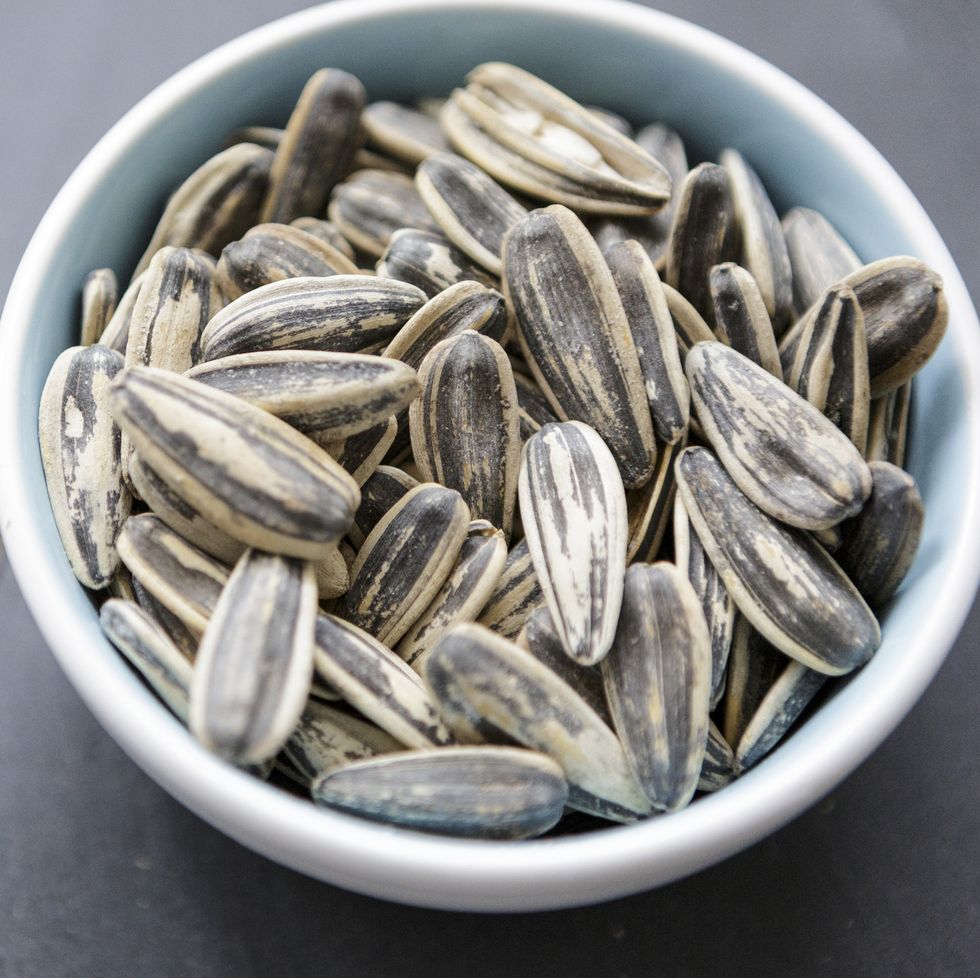
Seedless sunflower seeds, Helianthus annuus, represent a specialized segment within the global oilseed and confectionary market. This guide details the critical technical considerations for suppliers of these seeds, focusing on characteristics impacting oil yield, protein content, hulling efficiency, and overall product quality. Seedless varieties, achieved through selective breeding and genetic modification, demand stringent quality control protocols differing from traditional, seeded sunflower production. The industry chain positions seedless sunflower seeds as a raw material for edible oil extraction, snack food production, and increasingly, as a source of protein isolates. Core performance characteristics revolve around consistent kernel size, low hull content, minimal foreign matter, and optimal fatty acid profiles to meet diverse end-user specifications. A primary industry pain point is maintaining genetic purity and consistency of the seedless trait across large-scale agricultural production, impacting downstream processing efficiencies.
Material Science & Manufacturing
The fundamental raw material, the sunflower plant, comprises complex carbohydrates, proteins, lipids, and lignocellulosic materials within the seed kernel and hull. Seedless varieties are characterized by underdeveloped embryo structures resulting in significantly reduced, or absent, seed coats. The oil content, typically 40-50% by weight, is primarily composed of triglycerides, with linoleic acid (C18:2) and oleic acid (C18:1) being the dominant fatty acids. Protein content ranges from 20-25%, primarily globulins and albumins. Manufacturing begins with land preparation, planting, and controlled irrigation. Key parameters include soil nutrient levels (nitrogen, phosphorus, potassium), plant density, and weed control. Harvesting is crucial; premature harvesting results in lower oil content and increased moisture, while delayed harvesting leads to seed shattering and quality degradation. Post-harvest processing involves cleaning (removal of debris, chaff, and foreign matter), drying to a moisture content of approximately 9-10%, and de-hulling. De-hulling, a mechanical process, aims to separate the kernel from the hull. Efficient de-hulling is paramount in seedless varieties due to the thinner kernel-hull interface. Parameter control during de-hulling includes impact velocity, gap settings, and air separation efficiency. Improperly controlled de-hulling can lead to kernel damage and increased oil loss. Chemical compatibility concerns center around avoiding contamination with pesticides, herbicides, and mycotoxins during growth and storage.
Performance & Engineering
Performance analysis focuses on oil extraction efficiency, protein functionality, and hulling yield. Force analysis during de-hulling determines the optimal impact energy required to fracture the hull without damaging the kernel. Environmental resistance is critical – seed viability and oil quality are affected by temperature, humidity, and exposure to light. Storage conditions must maintain low temperature (below 15°C) and humidity (below 65%) to prevent lipid oxidation and protein denaturation. Compliance requirements include adherence to food safety standards (HACCP, GMP) and regulations regarding genetically modified organisms (GMO labeling). Functional implementation considers the end-use application. For edible oil, parameters like acid value, peroxide value, and iodine value are critical. For snack foods, color, texture, and flavor profile are paramount. The structural integrity of the kernel is a key engineering consideration; susceptibility to cracking during handling and processing impacts yield and quality. Furthermore, the aerodynamic properties of kernels and hulls are engineered during separation processes to maximize efficiency. Moisture content plays a pivotal role, affecting both the ease of hulling and the stability of the oil during storage.
Technical Specifications
| Parameter | Unit | Typical Value (Seedless Variety) | Testing Method |
|---|---|---|---|
| Oil Content | % (dry weight basis) | 42-48 | AOAC Official Method 920.39 |
| Protein Content | % (dry weight basis) | 22-28 | Kjeldahl Method (AOAC Official Method 920.87) |
| Hull Content | % (by weight) | 2-8 | Visual Inspection & Weighing |
| Kernel Moisture Content | % | 9-10 | Oven Drying Method (AOAC Official Method 925.09) |
| Linoleic Acid (C18:2) Content | % (of total fatty acids) | 50-65 | Gas Chromatography (AOCS Cd 14-90) |
| Free Fatty Acid (FFA) Content | % | <0.2 | Titration Method (AOCS Cd 3-63) |
Failure Mode & Maintenance
Failure modes in seedless sunflower seeds can be categorized into physical damage, chemical degradation, and biological contamination. Physical damage includes kernel cracking, hull abrasion, and chipping during harvesting, handling, and de-hulling. These failures reduce processing efficiency and can increase oil loss. Chemical degradation primarily involves lipid oxidation, leading to rancidity and off-flavors. This is accelerated by exposure to oxygen, light, and elevated temperatures. Protein denaturation can also occur, impacting functionality. Biological contamination includes fungal growth (resulting in mycotoxin production) and insect infestation. Fatigue cracking within the kernel structure can occur under repeated stress during processing. Delamination of the kernel can occur due to improper drying or mechanical shock. Oxidation of unsaturated fatty acids leads to the formation of peroxides and aldehydes, contributing to rancidity. Maintenance strategies include implementing strict quality control measures throughout the supply chain. Proper storage conditions (low temperature, low humidity, dark environment) are essential. Regular monitoring for insect infestation and fungal growth is crucial. Implementing a robust cleaning and sanitization program in processing facilities minimizes contamination risks. Preventative maintenance of de-hulling equipment, including adjusting impact forces and gap settings, reduces kernel damage. Antioxidant treatments can be applied to retard lipid oxidation.
Industry FAQ
Q: What is the primary difference in processing requirements between traditional sunflower seeds and seedless varieties?
A: Seedless varieties generally require more precise de-hulling parameters due to the thinner kernel-hull interface. Traditional varieties have a more robust hull, allowing for a wider tolerance in processing settings. Maintaining kernel integrity is more challenging with seedless seeds, demanding gentler handling and optimized equipment calibration.
Q: How does the fatty acid profile of seedless sunflower seeds compare to traditional varieties, and what impact does this have on oil quality?
A: While generally similar, the ratio of linoleic to oleic acid can vary slightly depending on the specific seedless hybrid. High-oleic seedless varieties are increasingly available, offering improved oxidative stability and longer shelf life compared to traditional high-linoleic varieties. This difference directly impacts the suitability of the oil for specific applications, such as frying or baking.
Q: What are the key indicators of seed quality during supplier audits, specifically for seedless sunflower seeds?
A: Key indicators include oil content, protein content, hull content, moisture content, and the absence of foreign matter. Genetic purity testing to confirm the seedless trait is also critical. Visual inspection for kernel damage, discoloration, and signs of infestation is essential. Laboratory analysis of fatty acid profiles and mycotoxin levels is standard practice.
Q: What preventative measures can be taken to minimize lipid oxidation during storage and transportation?
A: Maintaining low storage temperatures (below 15°C) and low humidity (below 65%) is paramount. Packaging in airtight containers with nitrogen flushing reduces oxygen exposure. Adding natural antioxidants (e.g., vitamin E) can further enhance oxidative stability. Avoiding exposure to direct sunlight during transportation is also crucial.
Q: What are the implications of GMO regulations on the sourcing and supply of seedless sunflower seeds?
A: Seedless sunflower seeds may be developed through genetic modification techniques. Suppliers must provide full transparency regarding the GMO status of their seeds and comply with all relevant labeling requirements in the destination market. Documentation confirming regulatory compliance is essential, including certificates of origin and testing reports.
Conclusion
Seedless sunflower seed supply demands a comprehensive understanding of both agricultural practices and downstream processing requirements. Maintaining genetic purity, optimizing de-hulling parameters, and controlling storage conditions are critical for delivering a high-quality product that meets the exacting specifications of the edible oil and snack food industries. The unique characteristics of seedless varieties necessitate a deviation from standard sunflower seed processing protocols.
Future advancements will likely focus on developing seedless hybrids with enhanced oil content, improved protein functionality, and increased resistance to environmental stresses. Implementing real-time monitoring systems throughout the supply chain, leveraging sensor technology and data analytics, will enable greater control over quality and minimize waste. Continuous refinement of de-hulling technologies will be essential for maximizing kernel recovery and reducing processing costs.
