Introduction
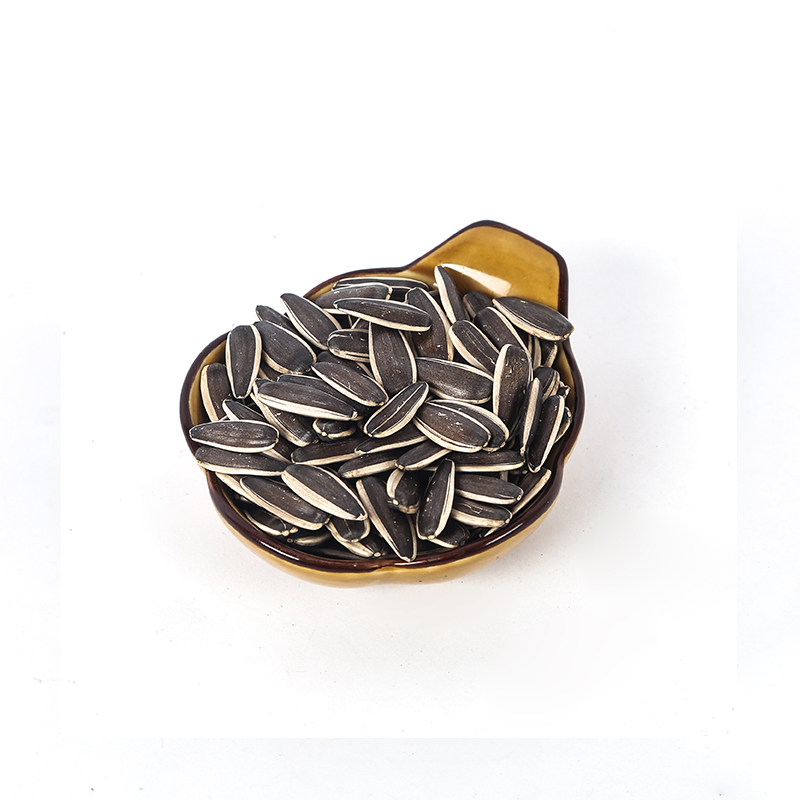
Seedless sunflower seeds represent a specialized cultivar of Helianthus annuus, engineered to maximize kernel size and minimize seed coat development. Unlike conventional sunflower seeds requiring shelling, these varieties are characterized by a significantly reduced, or absent, hull, facilitating direct consumption. Positioned within the snack food industry, and increasingly as a functional food ingredient, they address a growing consumer demand for convenience and enhanced eating experience. Core performance characteristics center around kernel plumpness, oil content, protein content, and the absence of hard shell fragments. The development of seedless varieties necessitates precise breeding programs focused on recessive genetic traits impacting hull formation, alongside optimized agricultural practices for maximizing yield and minimizing kernel damage during harvest. This guide details the material science, manufacturing processes, performance engineering, potential failure modes, and relevant standards governing seedless sunflower seed production and quality.
Material Science & Manufacturing
The primary material composition of seedless sunflower seeds consists of the kernel itself, composed of approximately 20-40% oil (primarily linoleic acid), 20-25% protein, 10-15% carbohydrate (primarily starch), and 5-10% moisture. The seed coat, although reduced in size, comprises primarily cellulose, hemicellulose, and lignin. Manufacturing begins with specialized breeding programs utilizing controlled pollination to fix recessive genes responsible for hull reduction. Seed selection focuses on traits like large kernel size, high oil content, and uniform maturity. Agricultural practices including optimized planting density, nitrogen fertilization, and irrigation are crucial for maximizing yield and kernel quality. Harvesting is typically performed mechanically, demanding careful calibration of combine settings to minimize kernel damage. Post-harvest processing involves cleaning (removal of stalks, leaves, and foreign matter), drying to a moisture content of approximately 8-10% (critical for preventing mold growth and preserving oil quality), dehulling (mechanically removing any remaining shell fragments, often using rubber abrasions), sizing (categorizing kernels based on diameter), and finally, quality control including optical sorting to remove discolored or damaged seeds. Key parameter control during drying is paramount, maintaining temperatures below 45°C to avoid lipid oxidation and protein denaturation. The efficiency of the dehulling process significantly impacts the final product’s ‘seedless’ characteristic and influences consumer acceptance.
Performance & Engineering
Performance of seedless sunflower seeds is evaluated through several key engineering properties. Shear force analysis is used to quantify the ease of kernel breakage during chewing, directly correlating to consumer palatability. A lower shear force indicates a more tender kernel. Oil stability, measured through Rancimat testing, assesses resistance to oxidative degradation, impacting shelf life and flavor profile. Moisture content is rigorously controlled to prevent microbial growth and maintain textural integrity. The packaging material plays a critical role in preserving these properties; barrier films (e.g., metallized polypropylene) are employed to minimize oxygen transmission rates (OTR) and maintain low moisture vapor transmission rates (WVTR). Compliance requirements, particularly those relating to food safety, are stringent. Seedless sunflower seeds must meet regulations set by bodies such as the FDA (USA) and EFSA (Europe) concerning mycotoxin levels (aflatoxins, ochratoxins), pesticide residues, and heavy metal contamination. Furthermore, packaging materials must adhere to regulations regarding food contact materials, ensuring migration limits are not exceeded. The compressive strength of the kernel is also a factor; kernels must withstand the stresses of handling and transportation without excessive fracturing.
Technical Specifications
| Parameter | Unit | Typical Value (Range) | Test Method |
|---|---|---|---|
| Kernel Moisture Content | % | 8.0 – 10.0 | AOAC 925.10 |
| Oil Content (Dry Basis) | % | 40 – 50 | SOXTEC Method |
| Protein Content (Dry Basis) | % | 20 – 25 | Kjeldahl Method |
| Kernel Size (Average Diameter) | mm | 10 – 14 | Sieve Analysis |
| Free Fatty Acid (FFA) | % | < 0.2 | Titration (AOCS Cd 3-63) |
| Peroxide Value (PV) | meq O2/kg | < 5.0 | Titration (AOCS Cd 8-53) |
Failure Mode & Maintenance
Failure modes in seedless sunflower seeds primarily manifest as lipid oxidation (rancidity), protein denaturation, and physical damage to the kernel. Lipid oxidation is accelerated by exposure to oxygen, light, and elevated temperatures, leading to off-flavors and reduced nutritional value. Protein denaturation can occur during improper drying or storage, impacting textural quality. Physical damage, including cracking and chipping, can arise during harvesting, processing, or transportation. Microbial contamination, specifically mold growth, poses a significant risk, potentially leading to mycotoxin production. Preventive maintenance strategies involve strict temperature and humidity control during storage (ideally <15°C and <60% relative humidity), packaging in barrier materials with low OTR and WVTR, and implementing rigorous sanitation protocols throughout the processing line. Regular monitoring of oil stability (PV and FFA) is crucial for detecting early signs of oxidation. Damage assessment should be performed routinely at each stage of processing, identifying potential sources of mechanical stress. Furthermore, a comprehensive pest control program is essential to prevent insect infestation and subsequent contamination. Visual inspection for mold growth and periodic mycotoxin analysis are mandatory for ensuring food safety. Shelf life can be extended through the addition of natural antioxidants, such as Vitamin E, within permissible limits.
Industry FAQ
Q: What differentiates seedless sunflower seeds from standard sunflower seeds regarding oil extraction efficiency?
A: While the oil content is comparable, the reduced seed coat in seedless varieties can slightly improve oil extraction efficiency during mechanical pressing. However, the difference is generally marginal and primarily impacts pre-pressing operations. The primary benefit lies in reduced processing steps related to shelling and hull disposal.
Q: How does the genetic modification for seedlessness affect the overall nutritional profile?
A: Current seedless varieties are developed through conventional breeding techniques focusing on recessive genes, not genetic modification. Therefore, the nutritional profile – including protein, oil composition, and vitamin content – remains largely unchanged compared to standard sunflower seeds. However, breeding programs continuously monitor these aspects to ensure no detrimental effects are introduced.
Q: What are the critical storage conditions to prevent rancidity in bulk quantities of seedless sunflower seeds?
A: Optimal storage requires a cool, dry, and dark environment. Temperatures below 15°C (59°F) and relative humidity below 60% are essential. The seeds should be stored in airtight containers or silos constructed from materials that do not impart off-flavors. Nitrogen flushing of the storage container prior to sealing can further reduce oxygen levels and minimize oxidation.
Q: What quality control measures are implemented to ensure the absence of residual shell fragments in the final product?
A: Dehulling efficiency is continuously monitored through optical sorting and sieve analysis. Regular visual inspection is conducted throughout the packaging process. Particle size analysis is also employed to quantify the presence of any remaining shell fragments. Acceptable levels are defined by internal quality standards and customer specifications.
Q: What are the potential challenges associated with scaling up production of seedless sunflower seeds?
A: Scaling up production presents challenges related to maintaining genetic purity, ensuring consistent kernel size and quality across larger acreage, and optimizing harvesting and processing equipment to minimize damage. Breeding for improved yield and uniformity, coupled with investment in efficient post-harvest technologies, is crucial for overcoming these hurdles.
Conclusion
Seedless sunflower seeds represent a significant advancement in sunflower seed processing and consumption, offering enhanced convenience and a superior eating experience. Their production demands a rigorous approach encompassing specialized breeding programs, optimized agricultural practices, and precise post-harvest processing techniques. Maintaining stringent quality control throughout the entire supply chain – from seed selection to packaging – is paramount for ensuring product safety, stability, and consumer acceptance.
Future research should focus on developing even more robust seedless varieties with improved oil stability and enhanced nutritional profiles. Exploration of novel packaging materials with superior barrier properties and sustainable sourcing practices will also be critical for meeting evolving consumer demands and environmental considerations. The continued adoption of precision agriculture techniques will further optimize yield and minimize resource consumption in seedless sunflower seed production.
