Introduction
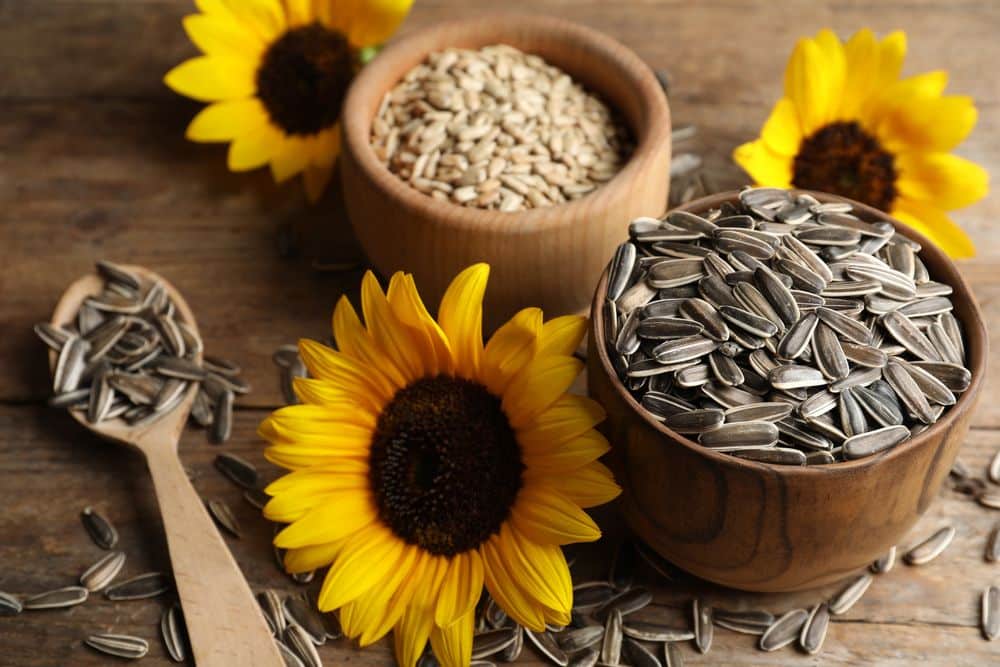
Seedless sunflower seeds represent a specialized segment within the broader sunflower seed industry, distinguished by their non-embryonic development resulting in a hull-to-kernel ratio significantly higher than conventional varieties. These seeds, primarily cultivated for confectionary purposes, occupy a crucial position in the agricultural supply chain, bridging the gap between large-scale farming operations and consumer packaged goods. Their production necessitates precise genetic control and optimized agricultural practices to ensure consistent quality and yield. Core performance characteristics include hull strength (influencing shelling efficiency), kernel size and density (impacts consumer appeal and oil content), and minimal levels of undesirable compounds like gossypol. The industry currently faces challenges relating to achieving consistent seedlessness, maximizing yield per hectare, and minimizing post-harvest losses due to moisture absorption and fungal contamination. This guide provides a comprehensive technical overview of seedless sunflower seed manufacturing, encompassing material science, production processes, performance metrics, failure modes, and industry standards.
Material Science & Manufacturing
The foundational material science revolves around the Helianthus annuus species, specifically cultivars modified for parthenocarpy – the development of fruit without fertilization. Raw material properties are heavily influenced by genetics, soil composition, and climatic conditions. The hull is primarily composed of cellulose, hemicellulose, and lignin, imparting structural rigidity and acting as a protective barrier. The kernel consists largely of lipids (40-50%), proteins (20-25%), carbohydrates (15-20%), and trace minerals. Manufacturing begins with seed selection, emphasizing cultivars with a stable seedless phenotype. Planting density and irrigation schedules are critically controlled to optimize kernel development. Harvesting occurs when the seed moisture content reaches approximately 18-20%. De-heading is typically mechanized, followed by drying to reduce moisture content to 8-10% for safe storage. Hulling is a critical processing step, utilizing impact or friction-based methods. Parameter control during hulling is paramount to minimize kernel damage. Post-hulling, seeds undergo cleaning, sizing, and grading based on kernel size and visual quality. Chemical compatibility during processing is a concern, particularly regarding cleaning agents and any surface treatments applied to enhance shelf life. Precise control over drying temperatures (typically below 60°C) is essential to prevent lipid oxidation and maintain flavor profile.
Performance & Engineering
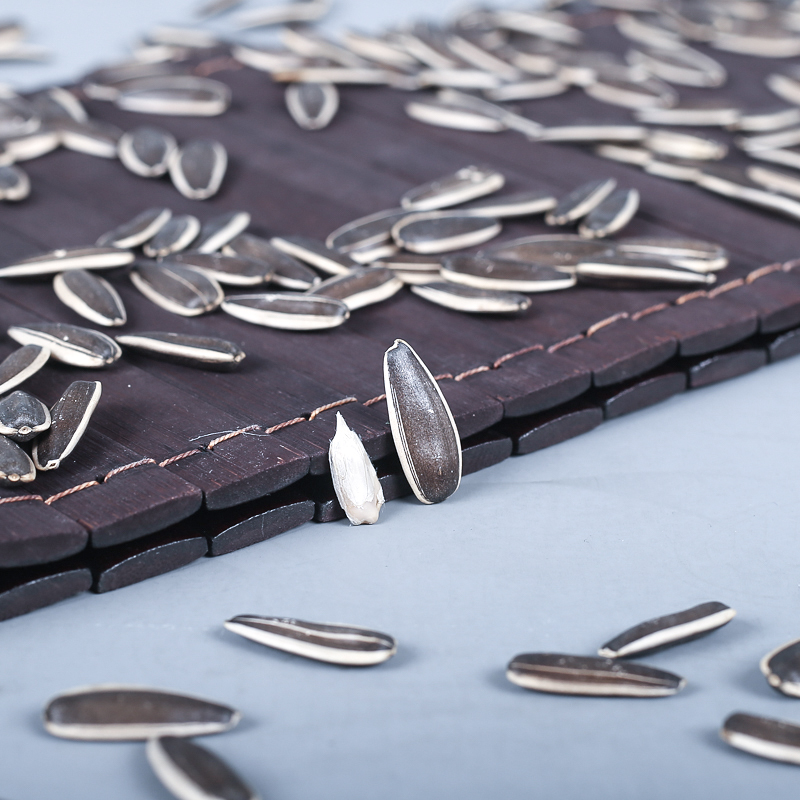
Performance analysis of seedless sunflower seeds focuses on several key engineering principles. Force analysis during hulling requires understanding the fracture mechanics of the hull material. Shelling efficiency is directly related to the applied force and the material’s tensile strength. Environmental resistance is crucial for maintaining seed viability during storage and transport. Water activity (aw) is a critical parameter; maintaining aw below 0.65 prevents fungal growth and lipid hydrolysis. Packaging materials must provide an effective barrier against moisture and oxygen. Compliance requirements dictate maximum levels of residual pesticides, heavy metals, and mycotoxins (aflatoxins in particular). Functional implementation centers on optimizing processing parameters for various applications – confectionery, snacking, or oil extraction. Seed size consistency is vital for automated packaging and portion control. Furthermore, the seeds' response to thermal processing (roasting, salting) must be evaluated to maintain structural integrity and flavor. Particle size distribution of the kernel fragments resulting from hulling also needs to be monitored for quality control. The geometric properties of the seed (sphericity, aspect ratio) affect the flowability of the seeds in processing equipment.
Technical Specifications
| Parameter | Unit | Typical Range (Seedless Variety) | Test Method |
|---|---|---|---|
| Kernel Moisture Content | % | 8-10 | Oven Drying (AOAC 925.10) |
| Hull Percentage | % | 55-70 | Differential Weighing |
| Oil Content (Dry Basis) | % | 40-50 | Soxhlet Extraction (AOCS Cd 14-91) |
| Kernel Hardness | N | 20-40 | Texture Analyzer (TA.XTplus) |
| Water Activity (aw) | - | < 0.65 | Water Activity Meter (Novasina) |
| Aflatoxin B1 Level | ppb | < 20 | HPLC-FLD (AOAC 991.31) |
Failure Mode & Maintenance
Failure modes in seedless sunflower seeds can be categorized into several types. Lipid Oxidation leads to rancidity, evidenced by off-flavors and reduced nutritional value. This is accelerated by exposure to oxygen, light, and high temperatures. Hulling Damage results in kernel fragments and increased fines, lowering product quality and generating processing inefficiencies. Moisture Absorption promotes fungal growth (e.g., Aspergillus spp.) and aflatoxin contamination, rendering the product unsafe for consumption. Hull Strength Variability leads to inconsistent shelling efficiency and increased kernel breakage. Genetic Instability can result in reversion to seeded varieties, compromising product consistency. Maintenance strategies include implementing strict quality control measures throughout the production process. Proper storage in cool, dry, and dark conditions is essential to minimize lipid oxidation and moisture absorption. Regular cleaning and sanitation of processing equipment prevent microbial contamination. Optimized hulling parameters reduce kernel damage. Seed inventory management ensures traceability and minimizes storage time. Implementing a robust Hazard Analysis and Critical Control Points (HACCP) plan is paramount for ensuring food safety. Periodic inspection of storage facilities for pest infestations and environmental control system performance is also crucial.
Industry FAQ
Q: What are the primary challenges in maintaining consistent seedlessness across multiple harvests?
A: Maintaining consistent seedlessness relies heavily on the genetic stability of the cultivar and the precision of agricultural practices. Factors like temperature fluctuations during flowering and pollination can induce some degree of seed formation. Employing certified seed sources, implementing rigorous field monitoring programs, and maintaining optimal growing conditions are crucial for minimizing variability. Regular genetic testing is also recommended to identify and remove off-type plants.
Q: How does hull strength impact the efficiency of industrial-scale hulling operations?
A: Hull strength is a critical factor. Insufficient hull strength results in excessive kernel breakage during hulling, increasing fines and reducing yield. Excessive hull strength necessitates higher hulling forces, potentially damaging the kernel. Optimizing hulling parameters (impact velocity, friction coefficient) requires a thorough understanding of the hull's mechanical properties. Pre-treatment of the seeds (e.g., controlled moistening) can also improve hulling efficiency.
Q: What are the regulatory limits for aflatoxin levels in sunflower seeds in major export markets?
A: Regulatory limits for aflatoxin vary by country. The European Union typically sets a maximum limit of 2 ppb for total aflatoxins (B1, B2, G1, G2). The United States FDA has an action level of 20 ppb for total aflatoxins. Japan and Australia have similar limits around 10-20 ppb. Compliance with these regulations requires rigorous sampling and testing programs using validated analytical methods (HPLC-FLD).
Q: What packaging materials are most effective in extending the shelf life of seedless sunflower seeds?
A: Multi-layer packaging materials offering a high barrier to moisture, oxygen, and light are most effective. Typically, these consist of a layer of aluminum foil, a polyethylene layer for sealing, and a polyester layer for strength. Modified Atmosphere Packaging (MAP) – flushing the package with nitrogen – can further reduce oxidation. The packaging material’s oxygen transmission rate (OTR) and water vapor transmission rate (WVTR) should be carefully considered.
Q: What quality control tests are essential for ensuring the uniformity of kernel size and minimizing the presence of foreign materials?
A: Essential quality control tests include sieve analysis for kernel size distribution, visual inspection for defects and foreign materials, and the use of optical sorters to remove discolored or damaged kernels. Metal detectors are crucial for identifying metallic contaminants. Regular calibration of all equipment and adherence to standardized testing protocols are vital for maintaining accuracy and reliability.
Conclusion
Seedless sunflower seed manufacturing demands a sophisticated understanding of both agricultural science and industrial processing. Maintaining consistent quality necessitates rigorous control over genetic selection, agricultural practices, harvesting, hulling, and storage conditions. The inherent susceptibility of the seeds to lipid oxidation and fungal contamination underscores the importance of robust quality control measures and appropriate packaging solutions.
Future advancements in this field will likely focus on developing cultivars with enhanced seedlessness stability, optimizing hulling technologies to minimize kernel damage, and implementing more effective methods for monitoring and controlling aflatoxin levels. Continued research into sustainable agricultural practices and improved packaging materials will also contribute to enhancing the overall efficiency and sustainability of the seedless sunflower seed industry.
