Introduction
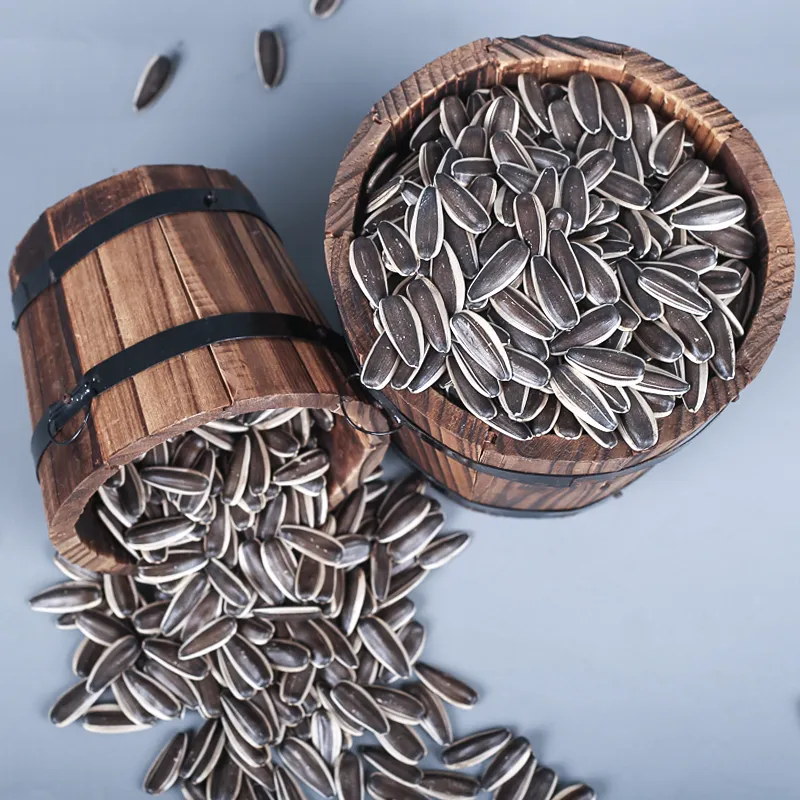
Seedless sunflower seed production facilities represent a specialized segment within the broader agricultural processing industry. These factories are dedicated to the dehulling, processing, and packaging of confectionery sunflower seeds specifically bred for the absence of a kernel. This necessitates distinct processing parameters and quality control protocols compared to oilseed sunflower seed production. The technical position within the supply chain spans from specialized seed breeding programs, through agricultural cultivation, harvesting, and finally, to sophisticated industrial processing to deliver a consumer-ready product. Core performance parameters revolve around kernel integrity, oil content within the kernel (influencing taste and texture), minimizing shell fragments, consistent kernel size, and microbiological safety. The increasing consumer demand for convenient, snackable seed products drives the need for efficient and high-throughput seedless sunflower seed factories capable of meeting stringent food safety and quality standards. Maintaining a low free fatty acid (FFA) content and controlling moisture levels are also critical for shelf-life and preventing rancidity.
Material Science & Manufacturing
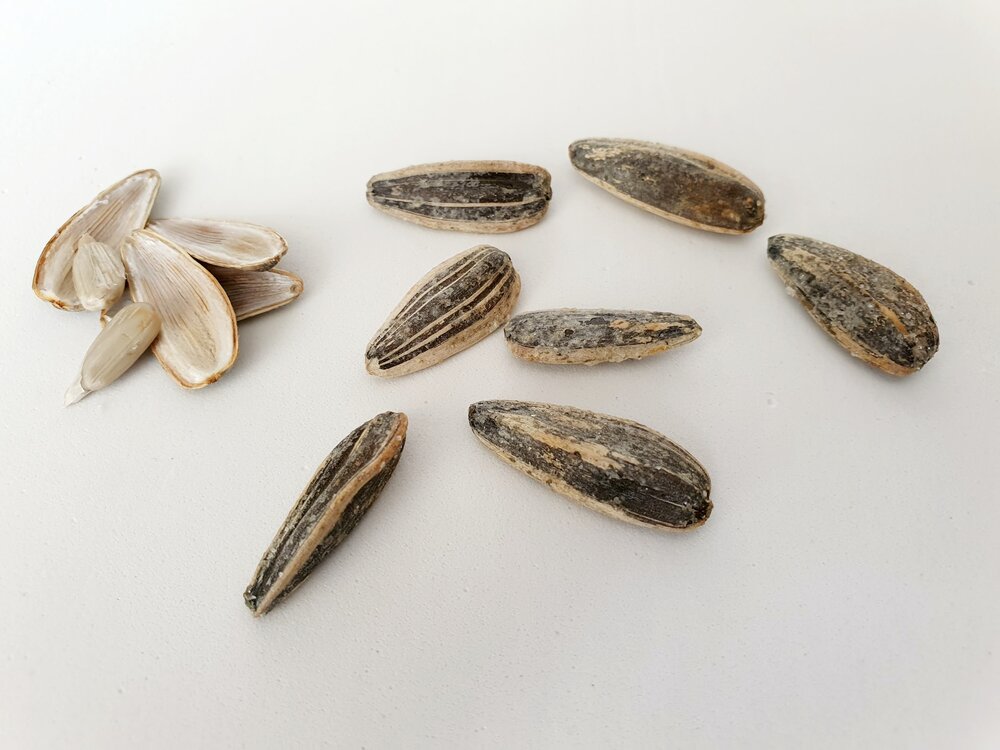
The primary raw material, the seed itself, is a complex biological structure. The hull (pericarp) comprises cellulose, hemicellulose, and lignin, providing structural rigidity. The kernel consists primarily of oil (typically 40-50% linoleic acid, 20-30% oleic acid), protein (around 20-25%), and carbohydrates. Variations in these compositions significantly impact processing parameters. Manufacturing begins with receiving and cleaning the raw seeds, removing debris such as stems, leaves, and foreign materials using a combination of screens, aspirators, and gravity separators. The core process is dehulling, typically achieved using impact dehullers or roller dehullers. Impact dehullers employ high-speed rotating hammers to fracture the hull, while roller dehullers use opposing rollers with adjustable gaps. Precise gap control is paramount to maximize kernel recovery and minimize kernel damage. Following dehulling, kernels are sorted by size and density, typically utilizing vibrating screens and air classifiers. Further processing includes roasting – a critical step influencing flavor development and shelf-life. Roasting temperature and duration are meticulously controlled to achieve optimal flavor profiles while minimizing lipid oxidation. Finally, kernels are seasoned (salt, flavorings), cooled, and packaged in moisture-barrier films to maintain freshness. Parameter control is vital throughout; moisture content of incoming seed impacts dehulling efficiency, roasting temperature affects oil quality, and packaging film properties dictate shelf-life.
Performance & Engineering
Performance of a seedless sunflower seed factory is assessed by several key engineering metrics. Firstly, throughput (tonnes per hour) is critical for economic viability. This is directly linked to the efficiency of the dehulling and sorting processes. Force analysis is essential in the design of dehulling equipment; impact forces must be sufficient to fracture the hull without damaging the kernel. Environmental resistance considerations include dust control (sunflower hulls generate significant dust), noise reduction (dehulling and sorting processes are inherently noisy), and temperature/humidity control (to maintain seed quality). Compliance requirements are stringent, demanding adherence to food safety standards such as HACCP (Hazard Analysis and Critical Control Points) and GMP (Good Manufacturing Practices). Functional implementation demands precision control systems for roasting – PID controllers are commonly employed to maintain accurate temperature profiles. Airflow dynamics within roasting ovens are also crucial for uniform heat distribution. Furthermore, sanitation design is vital; equipment must be easily cleanable to prevent microbial contamination. The selection of materials of construction – typically stainless steel – must consider corrosion resistance and compatibility with food-grade cleaning agents. Optimizing energy efficiency through heat recovery systems and variable-frequency drives on motors is increasingly important.
Technical Specifications
| Parameter | Unit | Typical Value | Tolerance |
|---|---|---|---|
| Raw Seed Moisture Content | % | 9-12 | ±1 |
| Dehulling Efficiency | % | 95-98 | ±0.5 |
| Kernel Damage Rate | % | <2 | N/A |
| Roasting Temperature | °C | 150-170 | ±5 |
| Roasting Time | minutes | 20-30 | ±2 |
| Final Product Moisture Content | % | 2-4 | ±0.2 |
Failure Mode & Maintenance
Failure modes in seedless sunflower seed factories are diverse. Dehulling equipment is susceptible to abrasive wear from the hulls, leading to reduced efficiency and increased maintenance requirements. Roller dehullers experience wear on the rollers, necessitating periodic resurfacing or replacement. Impact dehullers suffer wear on the hammers. Fatigue cracking can occur in structural components due to continuous vibration. Roasting ovens can experience burner failures, temperature sensor drift, and uneven heating element performance. Conveyor systems are prone to belt wear, bearing failure, and misalignment. Contamination (microbial or foreign material) represents a critical failure mode, potentially leading to product recalls. Maintenance strategies should incorporate preventative maintenance schedules for all critical equipment, including lubrication, bearing replacement, belt tensioning, and sensor calibration. Regular inspections for wear and tear are essential. Root cause analysis (RCA) should be conducted for any recurring failures. Cleaning protocols must be rigorous to prevent contamination, including regular sanitization of all food contact surfaces. Moisture control is critical to prevent mold growth during storage. Implementing a computerized maintenance management system (CMMS) can streamline maintenance operations and track equipment performance.
Industry FAQ
Q: What are the critical considerations for selecting a dehulling machine?
A: The selection hinges on seed size and variety, desired throughput, and acceptable kernel damage rate. Impact dehullers are generally better suited for high throughput, while roller dehullers provide more gentle processing and potentially lower kernel damage, albeit at lower capacities. Adjustability to accommodate variations in seed size is crucial.
Q: How do you mitigate the risk of acrylamide formation during roasting?
A: Acrylamide formation is a concern when roasting carbohydrate-rich foods. Controlling roasting temperature and time is paramount – minimizing exposure to high temperatures reduces acrylamide formation. Utilizing lower roasting temperatures for longer durations can be an effective strategy. Proper ventilation to remove volatile compounds during roasting is also important.
Q: What are the challenges associated with maintaining consistent product quality?
A: Consistency is affected by variations in raw material quality (seed size, moisture content, oil content). Precise control of processing parameters (dehulling gap, roasting temperature, seasoning application) is vital. Implementing robust quality control checkpoints throughout the process is essential.
Q: What type of packaging material is best for preserving seedless sunflower seed freshness?
A: Multi-layer films with high barrier properties against oxygen, moisture, and light are recommended. Typically, this involves a combination of polyethylene (PE), polypropylene (PP), and ethylene vinyl alcohol (EVOH) layers. Modified atmosphere packaging (MAP) with nitrogen flushing can further extend shelf-life.
Q: How important is dust collection and what systems are effective?
A: Dust collection is extremely important for safety and sanitation. Sunflower hull dust is combustible and poses an explosion hazard. Effective systems include cyclone separators, baghouse filters, and wet scrubbers. Regular maintenance and filter replacement are critical to ensure optimal performance.
Conclusion
The successful operation of a seedless sunflower seed factory relies on a deep understanding of the underlying material science and engineering principles. Precise control over dehulling, roasting, and packaging processes is essential to maximize throughput, minimize waste, and deliver a high-quality, safe product. Continuous monitoring of key performance indicators (KPIs) and proactive maintenance are vital for long-term reliability and economic viability.
Future trends point towards increased automation, advanced process control systems leveraging artificial intelligence, and a greater focus on sustainable manufacturing practices. Optimizing energy efficiency, minimizing water consumption, and reducing waste generation will become increasingly important for maintaining competitiveness in the evolving snack food market.
