Introduction
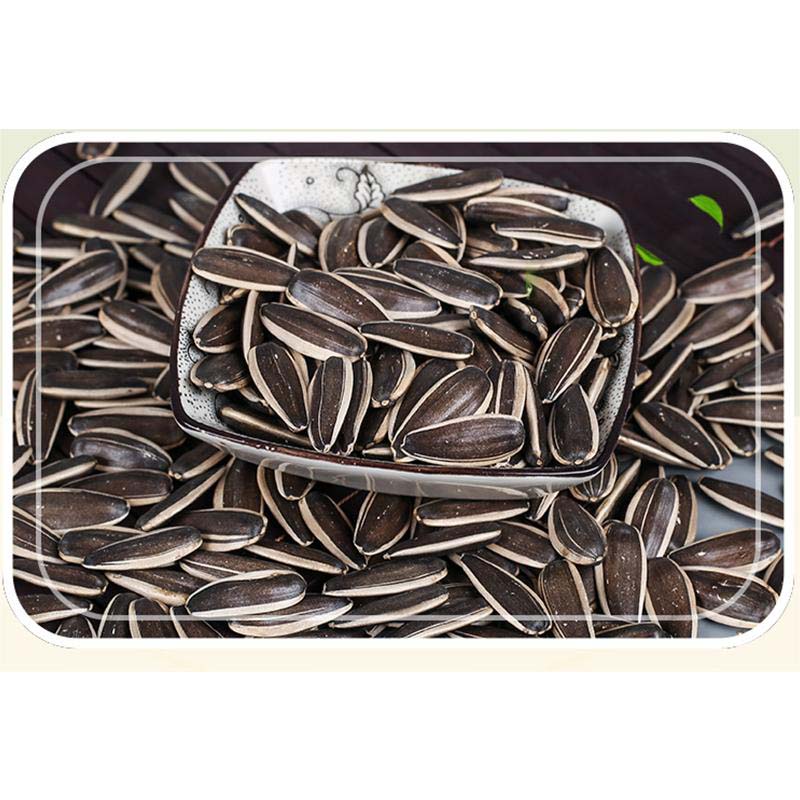
Seedless sunflower seeds, technically parthenocarpic sunflower seeds, represent a specialized niche within the broader sunflower seed export market. Their distinction lies in the absence of a kernel, resulting in a softer texture and a different application profile primarily focused on direct consumption as a snack food rather than oil extraction. These seeds occupy a specific position in the agricultural supply chain, requiring distinct agronomic practices, post-harvest processing, and quality control measures. Core performance characteristics crucial for exporters include consistent seed size, low moisture content, minimal hull damage, and adherence to stringent food safety regulations. The increasing global demand for convenient and healthy snack foods is driving growth in this sector, presenting both opportunities and challenges for exporters seeking to establish a foothold in international markets. Key pain points for exporters include maintaining consistent seed development to ensure seedlessness, minimizing contamination, and navigating varying import regulations regarding genetically modified organisms (GMOs), even when seedlessness is achieved through conventional breeding.
Material Science & Manufacturing
The raw material, Helianthus annuus, undergoes specific genetic selection and agronomic management to promote parthenocarpy - the development of fruit without fertilization. The seed coat (pericarp) composition consists primarily of cellulose, hemicellulose, and lignin, providing structural integrity. The kernel, absent in seedless varieties, would normally contain approximately 40-50% oil, 20-30% protein, and 15-20% carbohydrates. The manufacturing process begins with field cultivation, focusing on optimized pollination control (often through isolation or bagging) to induce seedlessness. Harvesting is critical; seeds must be harvested at optimal maturity to prevent premature germination or fungal growth. Post-harvest processing involves cleaning, drying (typically to 8-10% moisture content using forced-air drying), dehulling (removing the outer husk – a process requiring careful control to minimize kernel damage, though less critical in seedless varieties), sizing/grading (based on seed diameter), and finally, packaging. Control of drying temperature is crucial; excessive heat can denature proteins and alter flavor profiles. Chemical compatibility is paramount – packaging materials must be food-grade and prevent lipid oxidation. Hull integrity during dehulling is also important, even though these are seedless, as damaged hulls can increase susceptibility to microbial spoilage. Varietal differences in pericarp thickness and composition significantly influence dehulling efficiency and overall product quality.
Performance & Engineering
Performance is primarily assessed based on physical properties impacting consumer acceptance and shelf life. Key parameters include seed size uniformity (coefficient of variation), bulk density, flowability (important for packaging automation), and hull strength. Environmental resistance centers on maintaining seed quality during storage and transportation. Moisture content is the most critical factor, as it directly influences lipid oxidation and microbial growth. Packaging materials with low oxygen transmission rates (OTR) are essential to minimize rancidity. Mechanical stress during handling and transportation must be considered; seed crushing can release oils and negatively affect product appearance. Compliance requirements include adherence to food safety standards (HACCP, GMP), pesticide residue limits (regulated by importing countries), and potentially, GMO labeling regulations. Force analysis is relevant to dehulling operations, quantifying the force required to remove the hull without damaging the seed. The engineering challenge lies in optimizing the entire process – from field to finished product – to maximize yield, minimize waste, and maintain consistent quality. Water Activity (Aw) is a crucial engineering parameter to control, directly related to microbial stability and shelf life. Achieving low Aw values requires proper drying and effective moisture barrier packaging.
Technical Specifications
| Parameter | Unit | Specification (Typical) | Testing Method |
|---|---|---|---|
| Moisture Content | % | 8.0 - 10.0 | Oven Drying (AOAC) |
| Seed Size (Diameter) | mm | 8.0 - 12.0 (Average) | Sieve Analysis |
| Hull Damage (%) | % | < 5.0 | Visual Inspection |
| Oil Content (Residual) | % | < 2.0 | Soxhlet Extraction |
| Water Activity (Aw) | - | < 0.65 | Water Activity Meter |
| Peroxide Value (PV) | meq O2/kg | < 5.0 | Titration (AOCS Method) |
Failure Mode & Maintenance
Failure modes for seedless sunflower seeds primarily revolve around quality degradation during storage and transportation. Lipid oxidation, leading to rancidity and off-flavors, is a significant concern. This is accelerated by exposure to oxygen, light, and elevated temperatures. Microbial contamination (molds, yeasts) can occur if moisture content is not adequately controlled. Physical damage during handling (cracking, bruising) can compromise product appearance and increase susceptibility to spoilage. Delamination of the hull, while less critical in seedless varieties, can still indicate poor handling or improper drying. Maintenance focuses on preventative measures: stringent moisture control throughout the supply chain, appropriate packaging materials (oxygen barrier films, opaque containers), proper storage conditions (cool, dry, dark), and adherence to FIFO (First-In, First-Out) inventory management. Regular monitoring of peroxide value and moisture content is essential for quality assurance. Implementing a robust traceability system allows for rapid identification and isolation of potentially compromised batches. Failure analysis should include microscopic examination of damaged seeds to determine the root cause (mechanical damage, microbial attack, or oxidative degradation).
Industry FAQ
Q: What is the significance of low moisture content in seedless sunflower seeds, and what are the consequences of exceeding the recommended levels?
A: Low moisture content (8-10%) is critical for inhibiting microbial growth and slowing down lipid oxidation, both primary causes of spoilage. Exceeding this level significantly increases the risk of mold growth, insect infestation, and rancidity, rendering the product unacceptable for consumption and potentially violating food safety regulations. Higher moisture content also compromises the structural integrity of the seeds, making them more susceptible to physical damage.
Q: How do different packaging materials impact the shelf life of seedless sunflower seeds?
A: Packaging materials with low oxygen transmission rates (OTR) and excellent moisture barrier properties are crucial. Multi-layer films incorporating materials like metallized polyester or EVOH (ethylene vinyl alcohol) are commonly used. Opaque packaging protects against light-induced oxidation. Vacuum packaging or modified atmosphere packaging (MAP) with nitrogen flushing can further extend shelf life. The choice of material also depends on the intended storage conditions and transportation distances.
Q: What are the typical pesticide residue limits for sunflower seeds in major importing countries (e.g., EU, USA, Japan)?
A: Pesticide residue limits vary significantly between countries and are subject to change. The EU has stringent Maximum Residue Levels (MRLs) established by Regulation (EC) No 396/2005, while the USA follows EPA tolerances. Japan has its own Positive List system. Exporters must ensure that their seeds meet the specific MRLs of the importing country for all pesticides used during cultivation. Regular testing by accredited laboratories is essential to demonstrate compliance.
Q: How is seedlessness ensured, and are there any concerns related to genetic modification?
A: Seedlessness is typically achieved through conventional breeding techniques, creating hybrid varieties that exhibit parthenocarpy. Pollination control, through isolation or bagging, is also employed. While genetic modification (GM) is not typically used for seedlessness in commercially available varieties, exporters must be prepared to provide documentation proving the non-GMO status of their products, especially for markets with strict GMO labeling regulations. Third-party certifications (e.g., Non-GMO Project Verified) can be beneficial.
Q: What quality control measures should be implemented throughout the supply chain to minimize defects and ensure consistent product quality?
A: A comprehensive quality control system should encompass all stages, from field cultivation to final packaging. This includes monitoring moisture content during drying, visual inspection for hull damage and foreign materials, regular testing for peroxide value and microbial contamination, and adherence to Good Manufacturing Practices (GMP). Implementing a Hazard Analysis and Critical Control Points (HACCP) plan is highly recommended. Traceability systems are crucial for identifying the source of any quality issues and implementing corrective actions.
Conclusion
Seedless sunflower seeds represent a specialized segment of the sunflower seed market, demanding a nuanced understanding of agronomic practices, post-harvest processing, and quality control. Maintaining optimal moisture content, preventing lipid oxidation, and adhering to stringent food safety regulations are paramount for ensuring product integrity and extending shelf life. Successful exporters must invest in robust quality control systems, leverage appropriate packaging technologies, and proactively address evolving regulatory requirements regarding GMOs and pesticide residues.
Looking forward, innovation in seed breeding to enhance seedlessness and improve resistance to environmental stresses will be crucial. Developing sustainable packaging solutions with enhanced barrier properties and reduced environmental impact will also be a key priority. Furthermore, building strong relationships with importers and providing transparent documentation regarding product origin and quality attributes will be essential for long-term success in this competitive market.
