Introduction
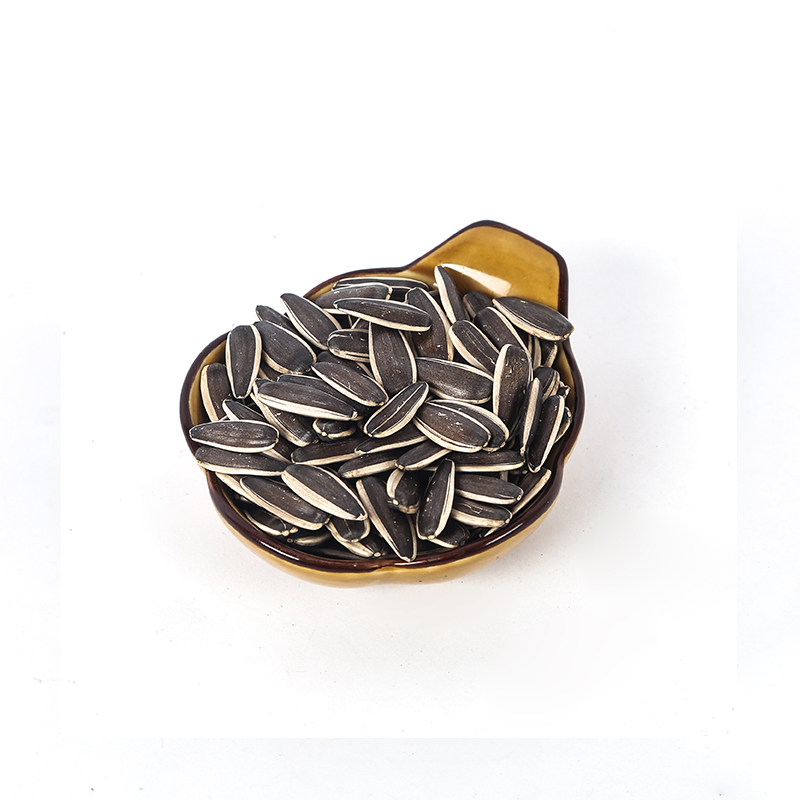
Salt-free sunflower seeds represent a significant and growing segment within the broader edible seed market. These seeds, Helianthus annuus, are primarily valued for their nutritional profile—rich in Vitamin E, magnesium, and healthy fats—and are increasingly demanded by health-conscious consumers seeking low-sodium snack options. This technical guide details the material science, manufacturing processes, performance characteristics, potential failure modes, and industry standards relevant to the production and supply of high-quality, salt-free sunflower seeds. The industry faces increasing pressure to deliver consistent product quality regarding kernel size, moisture content, and absence of foreign material, while also adhering to stringent food safety regulations. From agricultural practices to post-harvest processing and packaging, maintaining optimal seed integrity is paramount. Suppliers must navigate complex supply chains and quality control measures to meet the needs of food manufacturers, snack producers, and direct-to-consumer markets.
Material Science & Manufacturing
Sunflower seeds are composed primarily of a seed coat (pericarp) containing cellulose, hemicellulose, and lignin, encapsulating the kernel, which is rich in oil (typically 40-50% linoleic acid, 20-30% oleic acid), protein (20-25%), and carbohydrates (15-20%). Raw material selection is critical. Hybrid varieties are bred for specific traits, including oil content, kernel size, and disease resistance. Manufacturing begins with harvesting, typically employing combine harvesters which require precise calibration to minimize seed damage and foreign material intake. De-heading is the initial processing step, removing the seed head from the stalk. Subsequent drying is crucial to reduce moisture content from approximately 30% to 8-10% to inhibit fungal growth and enzymatic activity. This is typically achieved using forced-air dryers, with temperature and airflow carefully controlled to prevent cracking and lipid oxidation. Cleaning and sizing operations remove stems, leaves, and other debris, classifying seeds by size using screens and air separation techniques. Finally, salt-free processing involves meticulous cleaning to eliminate any residual salt contamination, often employing optical sorting technology. Key parameters controlled during manufacturing include moisture content (target 8-10%), kernel damage (less than 5%), foreign material (less than 1%), and oil content (verified through solvent extraction methods).
Performance & Engineering
The performance of salt-free sunflower seeds is judged primarily on their organoleptic properties – taste, texture, and appearance – and their nutritional value. Engineering considerations focus on maintaining these properties throughout the supply chain. Seed strength, measured by resistance to cracking during handling and processing, is a crucial performance characteristic. This is influenced by seed coat thickness and moisture content. Hulling efficiency, the percentage of kernels successfully removed from the shell, is an important metric for manufacturers utilizing in-shell seeds. Environmental resistance relates to maintaining seed viability and preventing lipid oxidation during storage. Packaging materials must provide a barrier to oxygen and moisture. Compliance requirements are extensive, encompassing food safety standards (HACCP, GMP), allergen control, and labeling regulations. Specifically, suppliers must demonstrate the absence of sodium chloride above a defined threshold (typically <5ppm) to qualify as "salt-free." Force analysis during handling and transportation reveals critical stress points; optimized packaging design minimizes kernel breakage. Shelf life is a key performance indicator, typically 6-12 months when stored under optimal conditions (cool, dry, dark environment).
Technical Specifications
| Parameter | Unit | Specification | Test Method |
|---|---|---|---|
| Moisture Content | % | 8.0 – 10.0 | AOAC 925.10 |
| Oil Content | % | 42.0 – 52.0 | NMR Spectroscopy (ISO 13426) |
| Kernel Damage | % | < 5.0 | Visual Inspection (ICMS 74) |
| Foreign Material | % | < 1.0 | Visual Inspection (ICMS 74) |
| Sodium Content | ppm | < 5 | Ion Chromatography (AOAC 993.14) |
| Kernel Size (Average Diameter) | mm | 10-14 | Sieve Analysis (ASTM E11) |
Failure Mode & Maintenance
Common failure modes for salt-free sunflower seeds include lipid oxidation (rancidity), resulting in off-flavors and reduced nutritional value. This is accelerated by exposure to oxygen, light, and heat. Another failure mode is kernel cracking due to improper handling or drying. Microbial contamination (molds, yeasts) can occur if moisture content is too high or storage conditions are inadequate. Delamination of the seed coat can occur during processing, impacting appearance and quality. Maintenance focuses on preventative measures. Proper storage in airtight, opaque containers at low temperatures (4-10°C) minimizes oxidation and microbial growth. Regular monitoring of moisture content is critical. Implementing robust cleaning and sorting processes reduces foreign material contamination. Quality control checks should include periodic testing for oil oxidation levels (Peroxide Value, Anisidine Value) and microbial counts. A first-in, first-out (FIFO) inventory management system ensures that older stock is utilized before newer stock. Packaging should include oxygen absorbers and desiccants to extend shelf life. For large-scale storage facilities, controlled atmosphere storage (reducing oxygen levels) can be employed.
Industry FAQ
Q: What is the primary driver for the increasing demand for salt-free sunflower seeds?
A: The primary driver is a growing consumer awareness of the health risks associated with high sodium intake. Consumers are actively seeking healthier snack alternatives and are increasingly reading food labels for sodium content. This trend is fueled by health professionals’ recommendations and increased media coverage of the link between sodium consumption and cardiovascular disease.
Q: How do you ensure the absence of salt contamination during processing, given that sunflower seeds are often grown in fields previously used for salt-sensitive crops?
A: We implement a multi-stage cleaning and sorting process. This includes initial dry cleaning to remove large debris, followed by aspiration to remove lighter materials. Optical sorting technology is then used to detect and remove any seeds with visible salt crystals. Finally, we conduct regular laboratory testing using ion chromatography to verify sodium content remains below the specified threshold of 5ppm.
Q: What are the key differences between conventional and organic salt-free sunflower seeds in terms of production and quality control?
A: Organic production prohibits the use of synthetic pesticides and fertilizers. This impacts yield and may result in a higher incidence of minor defects. Quality control for organic seeds focuses on verifying organic certification through accredited bodies and ensuring compliance with organic standards regarding residue limits and processing aids. Traceability is also more rigorously enforced.
Q: What packaging materials are recommended to maximize the shelf life of salt-free sunflower seeds?
A: We recommend multi-layer packaging incorporating a metallized barrier film to minimize oxygen and moisture transmission. The film should also provide protection from light. Including an oxygen absorber and desiccant packet within the packaging further enhances shelf life by scavenging residual oxygen and moisture. The packaging material must also comply with food contact regulations.
Q: What steps are taken to minimize mycotoxin contamination in sunflower seeds?
A: Mycotoxin contamination is a significant concern. We implement several preventative measures. These include selecting seed varieties with inherent resistance to fungal growth, ensuring proper harvesting and drying practices to minimize moisture content, implementing regular cleaning and sorting to remove damaged kernels, and conducting periodic testing for mycotoxins (aflatoxins, ochratoxin A) using HPLC-MS/MS analysis.
Conclusion
The production of high-quality, salt-free sunflower seeds is a complex process requiring meticulous attention to detail at every stage, from agricultural practices to post-harvest processing and packaging. Maintaining optimal moisture content, minimizing kernel damage, and preventing lipid oxidation are critical for ensuring product quality and extending shelf life. Adherence to stringent food safety standards and consistent analytical testing are non-negotiable for suppliers aiming to meet the demands of a health-conscious market.
Future trends in the industry will likely focus on developing even more robust processing technologies, enhancing packaging materials to further extend shelf life, and implementing advanced traceability systems to ensure food safety and authenticity. Continued investment in research and development to improve seed varieties with enhanced nutritional profiles and disease resistance will also be essential for sustaining growth in this dynamic market.
