Introduction
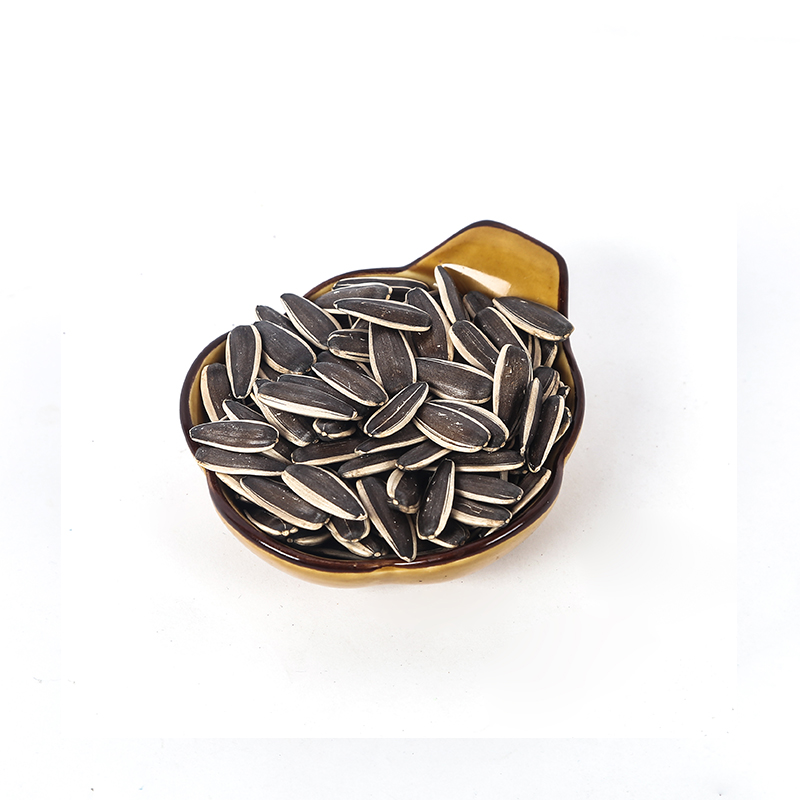
Salt-free sunflower seeds represent a processed food product derived from the kernel of the Helianthus annuus plant, specifically engineered to minimize sodium content. Positioned within the snack food industry, these seeds serve as a direct alternative to conventionally salted sunflower seeds, catering to health-conscious consumers and individuals managing sodium intake. Their technical position within the food supply chain lies in post-harvest processing, involving cleaning, drying, dehulling, roasting or drying (depending on the final product style), and subsequent packaging. Core performance characteristics center on maintaining palatability without sodium chloride, ensuring acceptable shelf-life stability, and adhering to stringent food safety regulations. This guide provides an in-depth technical analysis of salt-free sunflower seed production, material properties, performance criteria, failure modes, and relevant industry standards.
Material Science & Manufacturing
The primary raw material, sunflower seed kernels, consists of approximately 35-45% oil, 20-25% protein, 15-20% carbohydrate (primarily fiber), and 5-10% moisture. The oil composition is dominated by linoleic acid (a polyunsaturated omega-6 fatty acid), with significant amounts of oleic acid (a monounsaturated omega-9 fatty acid). The shell, or hull, is composed of cellulose and lignin. Manufacturing processes begin with seed selection based on kernel size and quality. Cleaning removes foreign materials. Drying reduces moisture content to approximately 8-10% to inhibit microbial growth and facilitate dehulling. Dehulling is critical, typically achieved mechanically, and involves carefully controlling impact force to minimize kernel damage. Roasting, conducted at temperatures between 120-180°C, develops flavor and crispness through Maillard reactions and oil oxidation. Alternatively, air drying at lower temperatures preserves a softer texture. Parameter control during roasting is paramount; temperature, time, and airflow significantly impact oil quality (peroxide value, acidity) and acrylamide formation. Further processing may include seasoning with non-salt flavorings (e.g., spices, herbs) or coating with a thin film for enhanced palatability or barrier properties. Packaging employs materials with low oxygen transmission rates (OTR) to maintain freshness. Nitrogen flushing is often used to displace oxygen within the package. Chemical compatibility between the seed oil and packaging material is crucial to prevent off-flavor development due to lipid oxidation.
Performance & Engineering
Performance assessment of salt-free sunflower seeds necessitates a multi-faceted approach. Mechanical properties, specifically kernel hardness and shell fracture strength, influence processing efficiency and consumer acceptance. Texture analysis, utilizing methods like three-point bending, quantifies crispness and chewiness. Oil stability is a critical performance indicator, assessed via peroxide value (PV) and acidity measurements. Lower PV and acidity values denote higher oil quality and longer shelf life. Sensory evaluation, employing trained panels, determines palatability and flavor profile. Environmental resistance focuses on moisture uptake and its effect on texture and rancidity. The water activity (aw) of the seeds must be maintained below 0.6 to inhibit microbial growth. Packaging materials must provide an adequate moisture barrier. Compliance requirements include adherence to food safety regulations (e.g., FDA, EFSA) concerning mycotoxin levels (aflatoxins), heavy metal contamination (lead, cadmium), and pesticide residues. Functional implementation involves optimizing the roasting profile to maximize flavor development while minimizing the formation of harmful compounds like acrylamide. Maintaining a consistent kernel size distribution throughout production is vital for uniform roasting and optimal product appearance.
Technical Specifications
| Parameter | Specification | Test Method | Typical Value |
|---|---|---|---|
| Moisture Content | ≤ 8.0% | AOAC 925.10 | 6.5% |
| Oil Content | 38 – 48% | Soxhlet Extraction (AOAC 920.39) | 42% |
| Peroxide Value (PV) | ≤ 5.0 meq O2/kg | AOCS Cd 8-53 | 2.0 meq O2/kg |
| Acidity (as oleic acid) | ≤ 0.2% | AOCS Cd 3-63 | 0.1% |
| Water Activity (aw) | ≤ 0.60 | Water Activity Meter | 0.55 |
| Aflatoxin B1 | ≤ 2 ppb | HPLC-FLD | <1 ppb |
Failure Mode & Maintenance
Failure modes in salt-free sunflower seeds primarily revolve around rancidity, textural changes, and microbiological spoilage. Rancidity, driven by lipid oxidation, results in off-flavors and reduced consumer acceptance. This is exacerbated by exposure to oxygen, light, and elevated temperatures. Textural degradation manifests as loss of crispness due to moisture uptake. Microbiological spoilage, though less common at low water activity, can occur with compromised packaging or improper storage. Fatigue cracking of the kernel during processing, though rare, can lead to increased fines. Maintenance strategies focus on optimizing process parameters, implementing rigorous quality control, and employing appropriate packaging. Regular monitoring of peroxide value and water activity is crucial. Proper storage conditions – cool, dry, and dark – are essential to extend shelf life. Packaging materials should be inspected for integrity. Preventative maintenance of roasting equipment ensures uniform heat distribution and minimizes acrylamide formation. A robust sanitation program prevents microbial contamination during processing. Inventory rotation (FIFO – First In, First Out) minimizes the risk of stale product.
Industry FAQ
Q: What are the primary challenges in maintaining flavor stability in salt-free sunflower seeds?
A: The absence of salt necessitates careful control of oxidation reactions. Sunflower seed oil is rich in unsaturated fatty acids, making it susceptible to rancidity. Key challenges include minimizing oxygen exposure during processing and packaging, utilizing antioxidants (though regulations limit their use), and controlling roasting temperatures to avoid excessive oil degradation. Proper packaging with low OTR and nitrogen flushing are crucial.
Q: How does the dehulling process impact the final product quality?
A: Incomplete dehulling leaves residual hull fragments, negatively impacting texture and palatability. Excessive force during dehulling can cause kernel damage, increasing fines and oil migration. Optimized dehulling parameters, including impact speed, gap settings, and seed conditioning, are vital to maximize hull removal while minimizing kernel breakage.
Q: What is the role of water activity in preventing spoilage?
A: Water activity (aw) dictates the availability of water for microbial growth and enzymatic reactions. Maintaining aw below 0.6 inhibits the growth of most spoilage microorganisms. This is achieved through proper drying and the use of moisture barrier packaging materials. Monitoring aw during production is essential for ensuring product safety and stability.
Q: What are the key considerations for packaging material selection?
A: Packaging materials must provide a barrier against oxygen, moisture, and light. Low OTR is critical for preventing rancidity. Moisture barrier properties maintain texture and prevent caking. The material must be chemically compatible with the seed oil to avoid off-flavor development. Considerations also include cost, sustainability, and printability for branding.
Q: What regulations govern the acceptable levels of contaminants in sunflower seeds?
A: Regulations vary by country, but commonly address mycotoxin levels (aflatoxins), heavy metal contamination (lead, cadmium), and pesticide residues. In the US, the FDA sets limits for these contaminants. In Europe, EFSA provides guidance. Compliance with these regulations requires rigorous testing of raw materials and finished products.
Conclusion
Salt-free sunflower seeds represent a nuanced food product demanding precise control throughout the entire production chain. From raw material sourcing and careful dehulling to optimized roasting profiles and robust packaging, each stage influences the final product's quality, stability, and consumer acceptability. Maintaining oil stability without the masking effect of salt requires a proactive approach to oxidation control, achieved through optimized processing, appropriate packaging, and meticulous monitoring of key parameters like peroxide value and water activity.
Future development may focus on innovative packaging solutions that further enhance barrier properties and extend shelf life, as well as exploring novel flavorings and coatings to enhance palatability. Continued research into acrylamide formation during roasting and the development of mitigation strategies is also critical. Ultimately, the successful production of high-quality salt-free sunflower seeds relies on a deep understanding of material science, engineering principles, and adherence to stringent quality control measures.
