Introduction
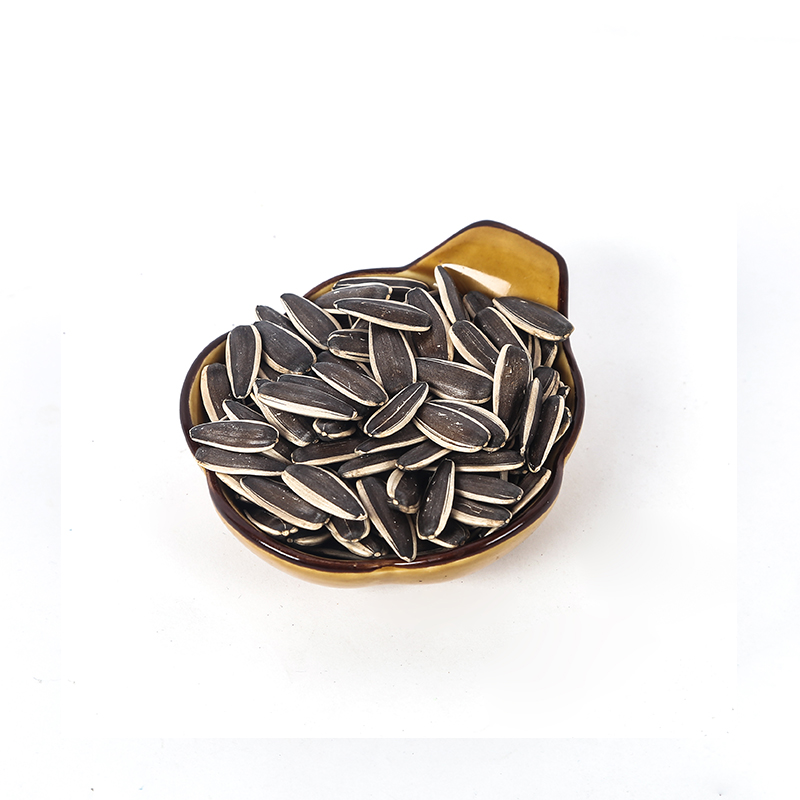
Salt-free sunflower seeds represent a significant segment within the broader edible seed industry, driven by increasing consumer demand for healthier snack options and reduced sodium intake. These seeds are produced through a multi-stage process encompassing cultivar selection, harvesting, drying, dehulling, kernel grading, and finally, processing for direct consumption. Unlike conventionally processed sunflower seeds, salt-free varieties rely on alternative flavoring techniques or remain unflavored, preserving the inherent nutritional profile of the seed. This guide provides an in-depth technical overview for manufacturers of salt-free sunflower seeds, encompassing material science, manufacturing processes, performance considerations, potential failure modes, and relevant industry standards. The core performance characteristics – oil content, protein levels, moisture content, and absence of residual sodium – are paramount to maintaining product quality and market acceptance. A key industry pain point centers around maintaining consistent kernel integrity during processing to minimize breakage and dust generation, directly impacting product yield and appearance.
Material Science & Manufacturing
The primary raw material, sunflower seeds ( Helianthus annuus), exhibits considerable variability in composition depending on the cultivar, growing conditions, and maturity at harvest. Kernels are composed of approximately 40-50% oil, 20-25% protein, 15-20% carbohydrate (primarily cellulose and hemicellulose in the hull), and 7-10% moisture. Key fatty acids include linoleic acid (around 60%), oleic acid (around 20-30%), and palmitic acid. The hull, primarily cellulose, provides structural integrity during growth and processing but is removed during dehulling. Manufacturing commences with harvesting, ideally at 9-12% moisture content to minimize mold growth. Drying is critical, typically utilizing forced-air systems to reduce moisture to 6-8%. Dehulling employs mechanical abrasion and impact, separating the kernel from the hull. This step is crucial; excessive force results in kernel damage. Grading sorts kernels by size and quality, removing broken pieces, foreign material, and discolored seeds. Salt-free processing involves cleaning, roasting (or alternative heat treatment for flavor development), and potentially, the application of natural flavorings (e.g., spices, herbs, yeast extract). Roasting parameters – temperature (typically 120-160°C) and duration (15-30 minutes) – significantly impact flavor, color, and texture. Control of these parameters is vital for consistent product quality. The chemical compatibility of roasting equipment materials (e.g., stainless steel 304/316) with sunflower oil is essential to prevent corrosion and metal leaching. Maintaining proper ventilation during roasting prevents oxidative degradation of oils, preserving flavor and nutritional value.
Performance & Engineering
Performance evaluation of salt-free sunflower seeds hinges on several key parameters. Moisture content, ideally maintained below 8%, is critical for preventing microbial growth and maintaining shelf life. Water activity (Aw) should be below 0.6. Oil stability, measured by rancidity tests (e.g., AOM – Active Oxygen Method), indicates resistance to oxidative degradation. Kernel hardness, assessed via compression testing, influences breakage during handling and processing. Tensile strength of the kernel, though difficult to measure directly, impacts its ability to withstand mechanical stress during dehulling and roasting. Environmental resistance, particularly to temperature fluctuations during storage and transportation, is paramount. Packaging materials must provide adequate barrier properties against moisture and oxygen. Compliance requirements dictate adherence to food safety regulations (e.g., HACCP) and labeling standards regarding allergen information and nutritional content. Functional implementation of flavoring systems (if utilized) requires careful consideration of carrier materials and application techniques to ensure uniform distribution and flavor intensity. Force analysis during dehulling reveals optimal impact and friction coefficients for minimizing kernel damage. The design of dehulling machinery directly impacts the efficiency of this process and the quality of the final product.
Technical Specifications
| Parameter | Specification | Test Method | Acceptance Criteria |
|---|---|---|---|
| Moisture Content | ≤ 8.0% | Oven Drying (AOAC 925.10) | Visual confirmation of dryness and weight stabilization |
| Oil Content | 40-50% (Dry Basis) | Soxhlet Extraction (AOAC 920.39) | Within specified range; consistency across batches |
| Protein Content | 20-25% (Dry Basis) | Kjeldahl Method (AOAC 920.87) | Within specified range; alignment with nutritional labeling |
| Broken Kernels & Hull Fragments | ≤ 3.0% | Visual Inspection & Sieving | Minimal presence of broken pieces; high kernel integrity |
| Foreign Material | ≤ 0.1% | Visual Inspection | Absence of stones, metal, glass, or other contaminants |
| Sodium Content | ≤ 5mg/100g | Ion Chromatography (AOAC 988.05) | Compliance with salt-free labeling claims |
Failure Mode & Maintenance
Failure modes in salt-free sunflower seed production and storage are diverse. Rancidity due to lipid oxidation is a primary concern, accelerated by high temperatures, oxygen exposure, and the presence of metal catalysts. Kernel breakage during dehulling and processing leads to yield loss and affects product appearance. Mold growth occurs when moisture content exceeds safe levels, resulting in mycotoxin contamination. Hulling inefficiency leads to a high percentage of unhulled seeds, reducing product quality. Flavor degradation during storage can occur due to volatile compound loss. Preventive maintenance of processing equipment – regular inspection and replacement of worn parts in dehullers and roasters – is crucial. Proper cleaning and sanitation protocols minimize microbial contamination. Storage facilities should be cool, dry, and well-ventilated. Packaging materials with high oxygen barrier properties are essential. Regular monitoring of moisture content and oil stability is recommended. Failure analysis should involve microscopic examination of broken kernels to identify root causes of damage. Corrosion of equipment components, particularly in roasting systems, should be addressed promptly with appropriate material selection and protective coatings. Periodic calibration of process control instruments (temperature, humidity, weight) ensures accurate operation.
Industry FAQ
Q: What are the primary challenges in maintaining the ‘salt-free’ designation and preventing sodium contamination during processing?
A: Maintaining a true ‘salt-free’ designation requires meticulous control throughout the entire manufacturing process. The primary challenge stems from residual sodium present in cleaning agents, processing water, and potentially, equipment surfaces. Regular monitoring of sodium levels using ion chromatography is essential. Implementation of a closed-loop water system and the use of sodium-free cleaning solutions are critical preventative measures. Equipment materials should also be assessed for potential sodium leaching.
Q: How does cultivar selection impact the oil content and overall quality of salt-free sunflower seeds?
A: Cultivar selection is paramount. High-oleic sunflower cultivars, for example, exhibit superior oxidative stability compared to linoleic cultivars, extending shelf life and reducing rancidity. Cultivars bred for large kernel size generally result in higher yields during dehulling. The protein content also varies significantly among cultivars, influencing the nutritional profile of the final product.
Q: What are the best practices for preventing kernel damage during the dehulling process?
A: Optimizing dehulling parameters is crucial. This involves careful control of impact speed, friction coefficients, and the clearance between rotating components. Regular inspection and replacement of worn dehulling surfaces are essential. Pre-drying the seeds to the optimal moisture content (around 6-8%) minimizes kernel breakage. Grading after dehulling to remove damaged kernels is also recommended.
Q: What packaging materials are most suitable for maintaining the quality and extending the shelf life of salt-free sunflower seeds?
A: Multi-layer films incorporating aluminum foil or metallized polyester provide excellent barrier properties against moisture, oxygen, and light. High-density polyethylene (HDPE) or polypropylene (PP) containers with airtight seals are also commonly used. Modified atmosphere packaging (MAP) with nitrogen flushing can further extend shelf life by reducing oxygen levels within the package.
Q: What are the key considerations for ensuring consistent roasting profiles and preventing flavor variations?
A: Precise temperature control, consistent airflow, and uniform seed bed depth are essential for achieving consistent roasting profiles. The roasting equipment should be equipped with accurate temperature sensors and automated control systems. Monitoring color development (using colorimeters) and regularly evaluating flavor attributes (through sensory panels) are important quality control measures.
Conclusion
The production of high-quality salt-free sunflower seeds demands a comprehensive understanding of material science, meticulous process control, and adherence to stringent quality standards. Maintaining optimal moisture content, maximizing kernel integrity during dehulling, and implementing effective antioxidant strategies are key to ensuring product stability and consumer appeal. Successful manufacturers prioritize rigorous quality control measures throughout the entire supply chain, from cultivar selection to packaging and storage.
Looking forward, advancements in seed breeding to enhance oil stability and kernel hardness, coupled with innovations in packaging technology to improve barrier properties, will further elevate the quality and shelf life of salt-free sunflower seeds. Continuous monitoring of industry regulations and consumer preferences will be critical for sustained success in this evolving market.
