Introduction
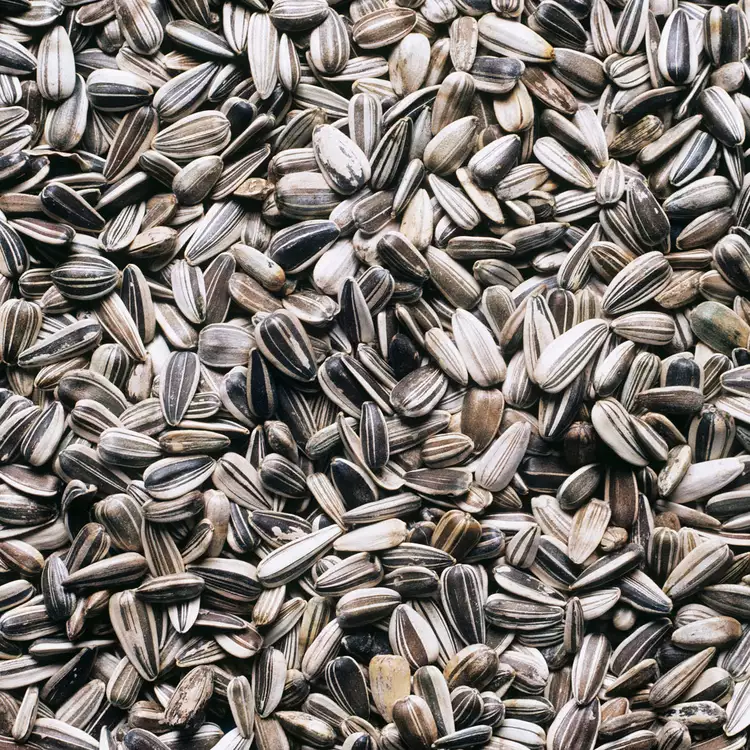
Salt-free sunflower seeds represent a significant segment within the broader sunflower seed processing industry, catering to health-conscious consumers and those adhering to sodium-restricted diets. Positioned within the agricultural commodity chain, these seeds undergo post-harvest processing including drying, dehulling, grading, and roasting/drying before packaging. The core performance criteria for this product category revolve around seed integrity, oil content, moisture levels, microbiological safety, and adherence to allergen control protocols. Industry pain points frequently center on maintaining consistent quality across variable harvests, minimizing acrylamide formation during roasting, controlling lipid oxidation leading to rancidity, and achieving effective dehulling without damaging the kernel. This guide provides a comprehensive technical overview of salt-free sunflower seed production, covering material science, manufacturing processes, performance parameters, failure modes, and relevant industry standards.
Material Science & Manufacturing
Sunflower seeds ( Helianthus annuus) are comprised of approximately 35-50% oil, 20-25% protein, 15-20% carbohydrate (primarily fiber), and 5-10% moisture. The oil is rich in linoleic acid (a polyunsaturated omega-6 fatty acid) and oleic acid (a monounsaturated fatty acid). The seed coat, or hull, is composed of cellulose, hemicellulose, and lignin, providing a protective barrier. Manufacturing begins with harvesting, followed by cleaning to remove debris. Drying is critical, reducing moisture content to approximately 8-10% to inhibit microbial growth and enzymatic activity. This is typically achieved using forced-air dryers operating at controlled temperatures (50-60°C) and airflow rates to prevent overheating and cracking. Dehulling is performed mechanically, utilizing impact or friction methods. Parameter control is paramount: improper gap settings on dehulling machinery can lead to kernel damage and increased fines. Roasting or drying further reduces moisture content and develops flavor. Roasting requires precise temperature control (140-170°C) and duration to avoid acrylamide formation, a process influenced by reducing sugar content and amino acid interactions. Grading separates seeds by size and quality. Packaging utilizes materials with low oxygen transmission rates to maintain freshness. Seed variety significantly impacts oil content and hullability. High-oleic sunflower varieties are favored due to increased oxidative stability.
Performance & Engineering
Performance analysis of salt-free sunflower seeds focuses on several key areas. Moisture content, typically assessed by the oven drying method (AOCS Official Method Ba 2a-38), directly impacts shelf life and susceptibility to fungal growth. Oil content, determined via Soxhlet extraction (AOCS Official Method Ak 3-93), influences nutritional value and sensory characteristics. Shear force analysis is used to evaluate hull strength and dehulling efficiency, optimizing machinery parameters to minimize kernel damage. Particle size distribution of the finished product is critical for packaging and flowability, assessed using sieve analysis. Environmental resistance primarily concerns protection from oxygen, light, and moisture. Packaging materials are engineered to provide adequate barrier properties. Compliance requirements include adherence to food safety regulations (HACCP, GMP) and allergen control programs. The oil's peroxide value (AOCS Official Method Cd 8-53) is a crucial indicator of oxidative rancidity. The presence of residual solvents from processing (if any) must be below regulatory limits, determined by gas chromatography. Force analysis during dehulling involves evaluating the impact forces and friction coefficients to optimize equipment settings and minimize kernel breakage. The thermal stability of the oil is also important, influencing the roasting process and preventing degradation of essential fatty acids.
Technical Specifications
| Parameter | Specification | Test Method | Acceptance Criteria |
|---|---|---|---|
| Moisture Content | ≤ 10% | AOCS Ba 2a-38 (Oven Drying) | Visual assessment & analytical result |
| Oil Content (Dry Basis) | ≥ 40% | AOCS Ak 3-93 (Soxhlet Extraction) | Laboratory analysis with certificate of analysis |
| Free Fatty Acids (FFA) | ≤ 0.5% | AOCS Ca 9-57 (Titration) | Confirmation of minimal lipid hydrolysis |
| Peroxide Value (PV) | ≤ 5 meq O2/kg | AOCS Cd 8-53 (Iodometric Titration) | Indication of oxidative stability |
| Broken Kernels & Fines | ≤ 5% | Visual Sorting & Sieve Analysis | Ensuring product quality & minimizing dust |
| Foreign Material | ≤ 0.1% | Visual Inspection | Adherence to food safety standards |
Failure Mode & Maintenance
Common failure modes in salt-free sunflower seeds include rancidity (lipid oxidation), evidenced by off-flavors and odors, accelerated by exposure to oxygen, light, and heat. Kernel cracking during dehulling or processing leads to increased fines and reduced product appeal. Microbial contamination (mold growth) is a risk if moisture content is not adequately controlled. Acrylamide formation during roasting, influenced by temperature and time, poses a health concern. Packaging failure (compromised barrier properties) accelerates oxidation and moisture absorption. Maintenance protocols involve regular cleaning and sanitation of processing equipment to prevent cross-contamination. Monitoring and calibrating drying and roasting equipment is essential for consistent quality. Regular inspection of dehulling machinery for wear and tear (rollers, impact plates) minimizes kernel damage. Proper storage of finished product in cool, dry conditions with minimal light exposure is crucial. Implementing a robust pest control program prevents infestation. Preventive maintenance schedules for all processing equipment, including lubrication and parts replacement, are vital. Detailed records of maintenance activities are required for traceability and quality control.
Industry FAQ
Q: What are the key factors influencing the shelf life of salt-free sunflower seeds?
A: Shelf life is primarily determined by moisture content, oil quality (oxidative stability), and packaging barrier properties. Lower moisture content inhibits microbial growth, while high-oleic varieties and effective packaging minimize rancidity. Proper storage conditions (cool, dry, dark) are also crucial.
Q: How can acrylamide formation during roasting be minimized?
A: Lowering roasting temperatures and durations, optimizing moisture content prior to roasting, and selecting sunflower varieties with lower reducing sugar content can minimize acrylamide formation. Implementing proper temperature control systems and monitoring acrylamide levels are essential.
Q: What are the critical control points (CCPs) in the salt-free sunflower seed production process from a food safety perspective?
A: CCPs include drying (moisture control), dehulling (foreign material removal), roasting (acrylamide control & microbial inactivation), and packaging (barrier protection). Each CCP requires defined monitoring procedures and corrective actions.
Q: What methods are used to assess the quality of sunflower oil extracted from the seeds?
A: Key quality parameters include free fatty acid content, peroxide value, iodine value, color, and fatty acid profile. Analytical methods such as titration, spectrophotometry, and gas chromatography are employed.
Q: How does the sunflower seed variety impact the manufacturing process and final product quality?
A: High-oleic varieties offer improved oxidative stability and longer shelf life. Varieties with thinner hulls are easier to dehull, reducing kernel damage. Oil content also varies, affecting extraction efficiency and yield.
Conclusion
The production of high-quality salt-free sunflower seeds demands meticulous attention to detail throughout the entire process, from seed selection and drying to dehulling, roasting, and packaging. A comprehensive understanding of the material science, coupled with stringent process control and adherence to food safety regulations, is paramount. Maintaining optimal moisture levels, minimizing lipid oxidation, and preventing kernel damage are critical performance objectives.
Future advancements will likely focus on optimizing dehulling technologies to further reduce breakage, developing novel packaging materials with enhanced barrier properties, and implementing real-time monitoring systems for key quality parameters. Continued research into sunflower seed genetics to enhance oil content, oxidative stability, and hullability will also drive innovation in this industry.
