Introduction
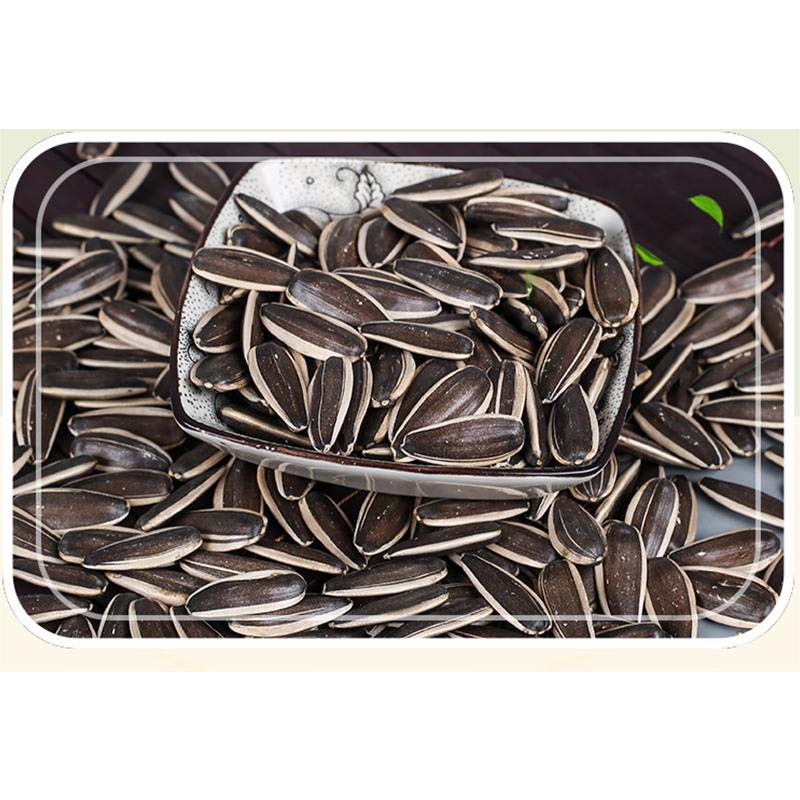
Salt-free sunflower seed production facilities represent a specialized segment within the broader agricultural processing industry. These facilities are dedicated to the cleaning, dehulling, roasting, and packaging of sunflower seeds, specifically excluding the addition of sodium chloride. Technically positioned between raw agricultural commodity processing and consumer packaged food manufacturing, the industry relies heavily on advanced sorting, roasting, and packaging technologies. Core performance metrics revolve around seed integrity (minimizing broken kernels), oil content preservation, consistent roasting profiles, and rigorous hygiene standards to ensure food safety. The demand for salt-free options is driven by consumer health trends, dietary restrictions, and a preference for natural food products, making efficient and contaminant-free processing a critical competitive advantage. A key pain point within the industry is maintaining consistent seed quality despite variations in incoming raw material characteristics, requiring robust process control and data analysis.
Material Science & Manufacturing
The primary raw material, sunflower seeds ( Helianthus annuus ), exhibits variable composition depending on cultivar, growing conditions, and maturity. Seed composition typically includes 40-55% oil (primarily linoleic and oleic acids), 20-30% protein, 10-20% hull, and 5-10% moisture. Hull material is largely cellulose and lignin. Manufacturing begins with receiving and cleaning of raw seeds, employing air separation, sieving, and destoning to remove foreign materials. Dehulling is a critical step, often utilizing impact dehullers or abrasive dehullers. Impact dehullers rely on controlled collisions to fracture the hull, while abrasive dehullers use friction. Parameter control during dehulling (impact velocity, abrasive surface speed) is crucial to minimize kernel damage. Roasting, typically conducted in continuous or batch roasters using hot air or oil conduction, develops flavor and reduces moisture content. Roasting temperature and duration (typically 120-180°C for 15-30 minutes) are tightly controlled to optimize flavor development and prevent lipid oxidation. Finally, seeds are often coated with light oils (sunflower, safflower) for palatability and packaged in airtight containers using nitrogen flushing to maintain freshness. Maintaining optimal moisture content throughout processing is paramount, as variations affect dehulling efficiency and roasting uniformity. Lipid oxidation is a constant concern, requiring careful temperature management and antioxidant strategies (packaging materials, nitrogen flushing).
Performance & Engineering
Performance assessment within salt-free sunflower seed production centers on several key areas. Firstly, force analysis is crucial in dehulling systems. The optimal force required to fracture the hull without damaging the kernel must be precisely calculated based on seed variety and moisture content. This necessitates precise control over impact energy or abrasive force. Secondly, environmental resistance, particularly humidity control, is critical. High humidity leads to increased moisture absorption, accelerating lipid oxidation and promoting microbial growth. Packaging materials must provide a sufficient barrier to moisture and oxygen. Compliance requirements involve adherence to food safety standards such as HACCP (Hazard Analysis and Critical Control Points) and GMP (Good Manufacturing Practices). Specifically, regular monitoring of Aflatoxin levels (a mycotoxin produced by Aspergillus molds) is required. Functional implementation includes consistent temperature monitoring throughout the roasting process, precise control of nitrogen flushing during packaging to reduce oxygen levels below 1%, and regular calibration of weighing and sorting equipment to ensure accurate portioning and quality control. Shelf-life studies, including accelerated aging tests, are essential to determine product stability and establish appropriate "best before" dates.
Technical Specifications
| Parameter | Unit | Typical Value | Acceptable Range |
|---|---|---|---|
| Oil Content | % (dry basis) | 50 | 48-55 |
| Moisture Content (incoming) | % | 8 | 7-10 |
| Moisture Content (finished product) | % | 2 | 1.5-2.5 |
| Kernel Damage (broken kernels) | % | 2 | <5 |
| Aflatoxin Level | ppb | <4 | <20 (regulatory limit) |
| Peroxide Value (measure of oxidation) | meq O2/kg | 5 | <10 |
Failure Mode & Maintenance
Failure modes in salt-free sunflower seed production can be categorized into several areas. Fatigue cracking of dehulling equipment components (rollers, impact plates) due to repeated stress is common, requiring regular inspection and replacement. Delamination of coating materials on roasting drums can lead to contamination and uneven heating, necessitating proper coating selection and application procedures. Degradation of rubber seals and belts in conveying systems due to oil exposure causes leaks and downtime; periodic replacement with oil-resistant materials is essential. Oxidation of sunflower oil, leading to rancidity, is a primary concern. This is accelerated by exposure to oxygen, light, and elevated temperatures. Mitigation strategies include nitrogen flushing, UV-protective packaging, and temperature control. Preventative maintenance should include daily inspections for wear and tear, lubrication of moving parts, regular cleaning of processing equipment to remove seed debris, and periodic calibration of sensors and controls. Root Cause Analysis (RCA) should be conducted for any recurring failures to identify and address underlying systemic issues. Scheduled downtime for thorough cleaning and equipment overhaul is critical to ensure long-term reliability and food safety.
Industry FAQ
Q: What are the key differences in equipment selection between processing hulled versus in-shell sunflower seeds?
A: Processing in-shell seeds necessitates more robust dehulling equipment capable of withstanding higher impact forces. Conveying systems must also be designed to handle the larger particle size and increased abrasive wear. Hulled seeds require more delicate handling to minimize breakage, focusing on gentle conveying and precise sorting technologies. Dust control systems are also more critical for hulled seeds due to the increased generation of fine particles.
Q: How does the sunflower seed variety affect processing parameters, particularly roasting?
A: Different varieties exhibit variations in oil content, hull strength, and kernel density. High-oleic varieties, for example, are more stable during roasting and require lower temperatures and shorter durations to avoid off-flavor development. Black oil sunflower seeds, with their thinner hulls, require gentler dehulling procedures to prevent kernel damage. Precise roasting profiles must be developed for each specific variety.
Q: What are the most effective methods for controlling Aflatoxin contamination?
A: Aflatoxin control begins with sourcing seeds from reputable suppliers with robust quality control programs. Proper drying of seeds after harvest is crucial to prevent mold growth. Thorough cleaning and sorting to remove damaged or discolored kernels are essential. Regular monitoring of Aflatoxin levels throughout the process, and rejection of contaminated batches, is paramount. Storage conditions must be dry and well-ventilated.
Q: What packaging materials are best suited for maintaining the freshness and quality of salt-free sunflower seeds?
A: Multi-layer films incorporating a metallized layer (aluminum) provide excellent barrier properties against oxygen, moisture, and light. The inner layer should be food-grade polyethylene or polypropylene. Nitrogen flushing before sealing further reduces oxygen levels. The packaging material must also be resistant to oil migration to prevent degradation and maintain print quality.
Q: How can we optimize energy efficiency in a sunflower seed processing facility?
A: Implementing heat recovery systems to recapture waste heat from roasters can significantly reduce energy consumption. Optimizing airflow rates in drying and cooling systems minimizes energy usage. Utilizing variable frequency drives (VFDs) on motors allows for precise speed control and reduced energy demand. Proper insulation of processing equipment and buildings minimizes heat loss. Regularly monitoring energy consumption and identifying areas for improvement is crucial.
Conclusion
The production of salt-free sunflower seeds is a complex process demanding precise control over material science, engineering parameters, and food safety standards. Maintaining optimal seed quality, minimizing processing defects, and preventing lipid oxidation are critical challenges that require a holistic approach encompassing meticulous raw material selection, optimized processing techniques, and robust quality control measures. Effective implementation of HACCP principles and adherence to international food safety regulations are non-negotiable for successful operation.
Future advancements in this field will likely focus on advanced sorting technologies utilizing machine vision and artificial intelligence to further enhance quality control, improved packaging materials with enhanced barrier properties, and more energy-efficient processing equipment. Sustainable sourcing practices and waste reduction strategies will also become increasingly important as consumer demand for environmentally responsible products continues to grow.
