Introduction
Roasted unsalted sunflower seeds represent a significant commodity within the global snack food industry. Suppliers operate within a complex chain encompassing agricultural production, processing, quality control, and distribution. This guide provides an in-depth technical overview for procurement managers and engineers involved in sourcing these seeds, covering material science, manufacturing processes, performance criteria, failure modes, and relevant industry standards. The current market demands consistent kernel size, minimal shell fragments, low levels of free fatty acids, and adherence to stringent food safety regulations. A key pain point for industrial buyers is variability in seed quality stemming from inconsistent agricultural practices and inadequate post-harvest processing. Understanding the critical parameters affecting seed quality and shelf-life is paramount to optimizing sourcing decisions and minimizing product recalls.
Material Science & Manufacturing
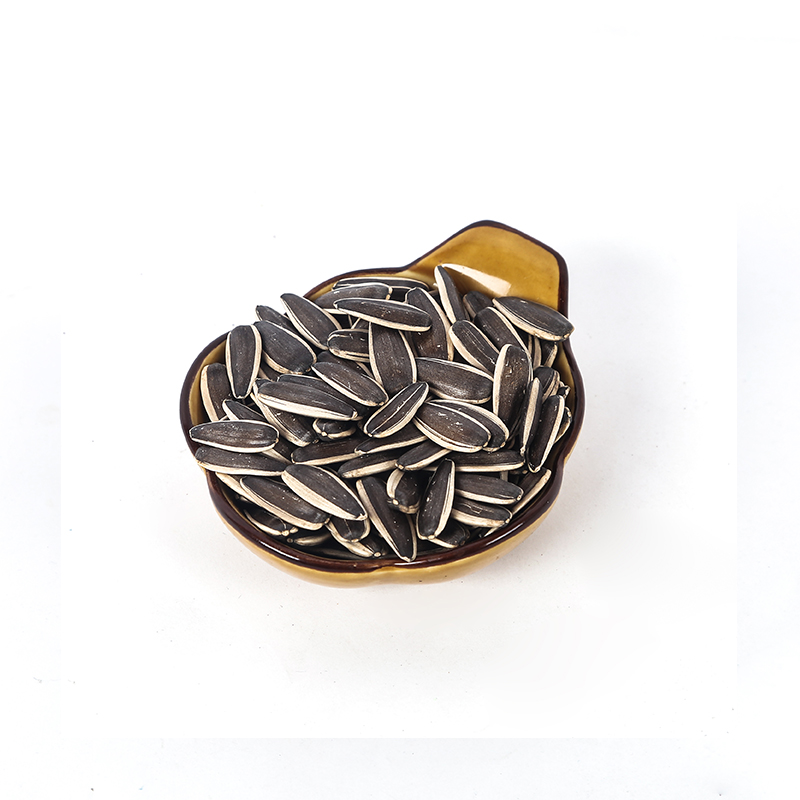
Sunflower seeds ( Helianthus annuus) are comprised of approximately 30-50% oil, 20-30% protein, 15-25% carbohydrate, and 5-10% moisture. The oil is rich in linoleic acid, an essential fatty acid. Kernel hardness is determined by the lignification of seed coat cells, impacted by genetics and growing conditions. Manufacturing begins with harvesting, followed by drying to reduce moisture content to around 8-10% to inhibit mold growth and enzymatic activity. Drying methods include forced-air drying and sun-drying, the latter being less controlled and potentially leading to quality degradation. Roasting is a critical step, typically conducted at temperatures between 140-180°C (284-356°F) using hot air or conductive heat. Roasting time and temperature are tightly controlled to develop flavor and achieve optimal texture while minimizing lipid oxidation. The Maillard reaction, a non-enzymatic browning reaction between reducing sugars and amino acids, contributes significantly to the characteristic roasted flavor. Salt removal, when unsalted seeds are desired, is usually achieved through washing or wiping after roasting, followed by a final drying stage. Parameter control focuses on moisture content throughout the process, roasting temperature uniformity, and prevention of foreign material contamination. Variations in seed oil content and fatty acid profiles directly influence the roasting process and final product characteristics. Shelling efficiency impacts yield and the need for further sorting to remove shell fragments. The presence of aflatoxins, a potent mycotoxin, is a significant concern, necessitating rigorous quality control measures.
Performance & Engineering
Performance metrics for roasted unsalted sunflower seeds revolve around sensory attributes (taste, texture, aroma), nutritional value, and shelf-life stability. Kernel hardness is assessed using force analysis to determine the force required to fracture the kernel. This impacts mouthfeel and consumer acceptance. The oil stability index (OSI) measures the rate of lipid oxidation, indicating shelf-life potential. Lower OSI values correspond to faster oxidation rates and shorter shelf-life. Packaging plays a crucial role in preserving quality by minimizing oxygen exposure and moisture ingress. Barrier properties of packaging materials, specifically oxygen transmission rate (OTR) and water vapor transmission rate (WVTR), are critical. Compliance requirements include adherence to food safety regulations (e.g., FDA in the US, EFSA in Europe) regarding heavy metal content, pesticide residues, and microbial contamination. Proper roasting temperature control is an engineering challenge, requiring precise temperature sensors, uniform heat distribution, and automated control systems to prevent localized burning or under-roasting. Material handling systems must be designed to minimize kernel breakage and shell fragments. Dust control is also essential, as sunflower seed dust can be flammable and pose a safety hazard.
Technical Specifications
| Parameter | Unit | Specification | Test Method |
|---|---|---|---|
| Moisture Content | % | ≤ 8.0 | Oven Drying (AOAC) |
| Oil Content | % | 40-50 | Soxhlet Extraction (AOAC) |
| Free Fatty Acid (as Oleic Acid) | % | ≤ 0.5 | Titration (AOCS) |
| Kernel Hardness | N | 20-40 | Texture Analyzer (TA.XTplus) |
| Aflatoxin B1 | ppb | ≤ 2 | HPLC-FLD (AOAC) |
| Kernel Size (Average Length) | mm | 10-12 | Sieve Analysis |
Failure Mode & Maintenance
Common failure modes include rancidity (lipid oxidation), kernel softening due to moisture absorption, and discoloration. Rancidity is accelerated by exposure to oxygen, light, and heat. Preventive maintenance involves proper packaging (vacuum sealing or nitrogen flushing) and storage in cool, dark conditions. Kernel softening is often a result of inadequate drying before roasting or moisture ingress after roasting. Maintaining low humidity storage environments is crucial. Discoloration can occur due to uneven roasting or prolonged storage. Regular monitoring of OSI values provides an early indication of rancidity. Shell fragments can cause tooth damage and are a source of customer complaints. Improved shelling equipment and rigorous sorting procedures are essential. Microbial contamination, particularly mold growth, can lead to spoilage and the production of mycotoxins. Implementing Hazard Analysis and Critical Control Points (HACCP) plans is vital. Regular cleaning and sanitation of processing equipment are also necessary to prevent contamination. Fatigue cracking of processing equipment (shellers, roasters) requires preventative maintenance schedules and regular inspections for wear and tear.
Industry FAQ
Q: What is the optimal moisture content range for sunflower seeds prior to roasting?
A: The optimal moisture content range prior to roasting is between 8-10%. Lower moisture contents can lead to scorching, while higher moisture contents result in longer roasting times and potentially uneven cooking. Consistent moisture content is crucial for uniform flavor development and texture.
Q: How does the roasting temperature impact the free fatty acid (FFA) content of the seeds?
A: Higher roasting temperatures generally lead to increased FFA content due to lipid hydrolysis. While roasting is necessary for flavor development, excessive temperatures accelerate the breakdown of triglycerides into free fatty acids, impacting oil quality and reducing shelf-life. Precise temperature control is vital.
Q: What packaging materials offer the best barrier properties for maintaining sunflower seed freshness?
A: Multi-layer films incorporating aluminum foil or metalized polyester provide the best barrier properties against oxygen and moisture. Vacuum sealing or nitrogen flushing further enhances preservation by removing oxygen. The WVTR and OTR of the packaging material must be carefully considered.
Q: What are the key considerations for preventing aflatoxin contamination in sunflower seeds?
A: Preventing aflatoxin contamination begins with sourcing seeds from reputable suppliers who implement strict quality control measures during harvesting and storage. Proper drying to reduce moisture content, along with effective storage practices to prevent mold growth, are crucial. Regular testing for aflatoxin levels is essential.
Q: What is the significance of the Oil Stability Index (OSI) in assessing sunflower seed quality?
A: The OSI is a critical indicator of oxidative stability and directly correlates with shelf-life. A higher OSI value indicates greater resistance to oxidation and a longer anticipated shelf-life. Regular OSI testing provides a quantitative measure of quality and aids in predicting product stability.
Conclusion
The consistent quality and safety of roasted unsalted sunflower seeds are intrinsically linked to a thorough understanding of material science principles, meticulous manufacturing processes, and rigorous quality control measures. Suppliers must prioritize moisture content control, precise roasting parameters, and effective packaging strategies to mitigate degradation and maintain product integrity. Adherence to international food safety standards is non-negotiable.
Future advancements in sunflower seed processing will likely focus on optimizing roasting techniques to minimize FFA formation and maximize flavor development, along with the development of novel packaging materials with enhanced barrier properties and sustainability profiles. Continuous monitoring of key performance indicators, such as OSI and aflatoxin levels, remains paramount for ensuring product quality and building consumer trust.
