Introduction
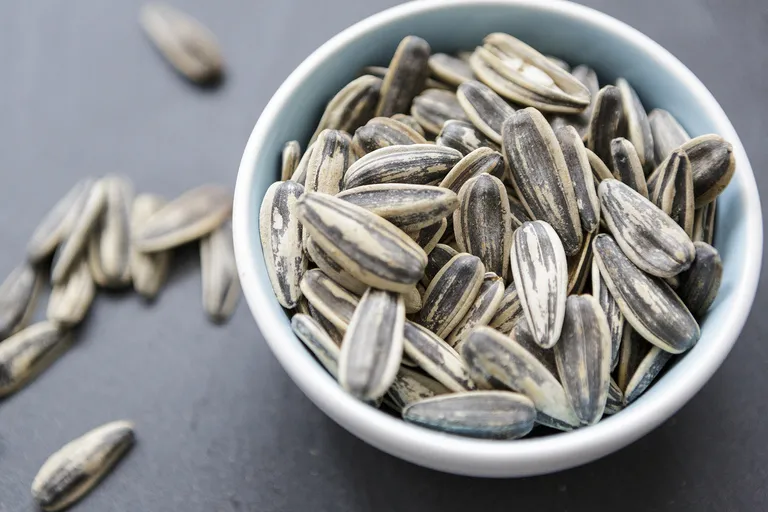
Roasted unsalted sunflower seeds represent a significant commodity within the snack food industry, positioned as a healthy and versatile ingredient for direct consumption, confectionery applications, and increasingly, as a functional food component. Suppliers operating in this sector serve a broad B2B market encompassing snack manufacturers, food processors, health food distributors, and even animal feed producers. The core performance characteristics demanded of these seeds center on kernel quality (size, plumpness, protein content), oil content, moisture levels, and crucially, the absence of detrimental contaminants like aflatoxins and pesticides. The supply chain is complex, demanding careful attention to seed sourcing, processing techniques (roasting, shelling, winnowing), and stringent quality control measures to meet international food safety standards. The industry faces ongoing pressures related to sustainable agriculture, fluctuating commodity prices, and evolving consumer preferences for natural and minimally processed foods. A reliable supplier must demonstrably address these concerns through traceable sourcing and consistent product quality.
Material Science & Manufacturing
Sunflower seeds ( Helianthus annuus) are comprised primarily of a lignocellulosic shell protecting the kernel, which is rich in oil (typically 40-55% by weight), protein (20-25%), carbohydrates, and essential fatty acids (linoleic acid being predominant). Raw seed quality is dependent on genetics, soil composition, climate, and agricultural practices. Manufacturing begins with cleaning and dehulling. Dehulling efficiency impacts kernel damage and overall yield. Roasting is the critical processing step, influencing flavor development (Maillard reaction), texture, and microbial safety. Roasting temperatures (typically 120-180°C) and durations must be precisely controlled to achieve optimal flavor profiles and minimize acrylamide formation. Excessive roasting leads to rancidity due to lipid oxidation. Post-roasting, the seeds undergo winnowing to remove shell fragments and other debris, followed by quality sorting based on size and color. Packaging materials are crucial; oxygen and moisture barrier properties are paramount to prevent oxidation and maintain freshness. Material compatibility with the oils present in the seeds must be verified to prevent migration of packaging components into the food product. Traceability is maintained through batch coding and rigorous record-keeping throughout the entire process, adhering to HACCP principles.
Performance & Engineering
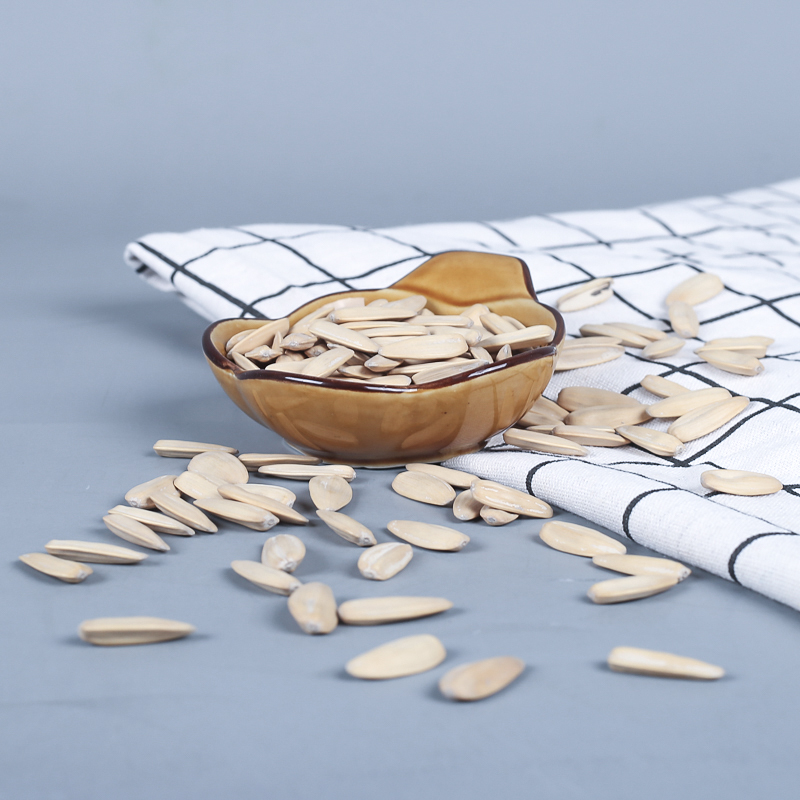
The performance of roasted sunflower seeds is critically linked to their physical and chemical stability. Moisture content (typically <3% after roasting) directly influences shelf life and susceptibility to microbial growth. Water Activity (Aw) is a key engineering parameter monitored to predict spoilage potential. Oil stability, measured by Rancimat testing, determines the resistance to oxidative degradation. Shear force analysis is used to quantify the textural properties (crunchiness, hardness) – a crucial attribute impacting consumer acceptance. Particle size distribution influences packing density and flowability during processing. Furthermore, suppliers must demonstrate adherence to food safety standards, including maximum permissible levels of heavy metals (lead, cadmium, mercury) and mycotoxins (aflatoxins, ochratoxin A). Aflatoxin contamination is a major concern, requiring stringent monitoring and control throughout the supply chain, from farm to finished product. Engineering controls, such as optimized roasting parameters and proper storage conditions, are essential to mitigate these risks. Compliance with regulations regarding pesticide residue levels is also paramount.
Technical Specifications
| Parameter | Unit | Specification (Standard Grade) | Specification (Premium Grade) |
|---|---|---|---|
| Moisture Content | % | ≤ 3.0 | ≤ 2.5 |
| Oil Content (Dry Basis) | % | 48 – 52 | ≥ 52 |
| Kernel Size (Screen Size) | mm | 12/64 – 16/64 | ≥ 14/64 |
| Broken Kernels & Shell Fragments | % | ≤ 5 | ≤ 2 |
| Aflatoxin B1 | ppb | ≤ 2 | ≤ 1 |
| Peroxide Value (PV) | meq O2/kg | ≤ 5 | ≤ 3 |
Failure Mode & Maintenance
Failure modes in roasted sunflower seeds primarily manifest as rancidity, textural degradation, and microbial spoilage. Rancidity, driven by lipid oxidation, results in off-flavors and reduced product quality. This is accelerated by exposure to oxygen, light, and elevated temperatures. Textural degradation, including loss of crunchiness, occurs due to moisture absorption and staling. Microbial spoilage, particularly mold growth, is a significant concern, leading to aflatoxin production. Delamination of the kernel can occur due to improper roasting or handling. Preventive maintenance involves strict control of roasting parameters (temperature, time, airflow), proper storage in airtight containers under cool, dry conditions, and regular monitoring of moisture content and peroxide value. Packaging integrity is crucial; compromised packaging leads to accelerated oxidation and moisture ingress. Implementing a First-In, First-Out (FIFO) inventory management system minimizes storage time and reduces the risk of spoilage. Regular quality control testing, including aflatoxin analysis, is essential to detect and mitigate potential problems. For suppliers, maintaining calibrated roasting equipment and monitoring environmental conditions within storage facilities are key preventative measures.
Industry FAQ
Q: What are the critical control points for aflatoxin contamination in sunflower seeds?
A: The critical control points are pre-harvest monitoring of the crop for fungal infection, proper drying of the seeds immediately after harvest, rigorous cleaning and sorting to remove damaged kernels, and careful control of roasting parameters to inactivate aflatoxins. Regular testing throughout the supply chain is also essential.
Q: How does moisture content impact the shelf life of roasted sunflower seeds?
A: Higher moisture content promotes lipid oxidation and microbial growth, significantly reducing shelf life. Maintaining a moisture content below 3% is crucial for optimal stability. Packaging materials with excellent moisture barrier properties are also necessary.
Q: Can you explain the significance of the peroxide value (PV) in assessing sunflower seed quality?
A: The peroxide value measures the extent of lipid oxidation. A higher PV indicates greater oxidation and a lower quality product. It’s a key indicator of rancidity development and provides insights into the effectiveness of the roasting process and storage conditions.
Q: What are the key differences between standard and premium grades of roasted sunflower seeds?
A: Premium grades typically have higher oil content, larger kernel sizes, lower broken kernel/shell fragment percentages, and significantly lower levels of defects like aflatoxins and foreign matter. They represent a higher quality product commanding a higher price.
Q: What packaging materials are recommended for maintaining the quality of roasted unsalted sunflower seeds during transport and storage?
A: Multi-layer films incorporating aluminum foil or metallized polyester provide excellent oxygen and moisture barrier properties. High-density polyethylene (HDPE) or polypropylene (PP) containers with airtight seals are also suitable, provided they are internally coated to prevent oil migration.
Conclusion
Roasted unsalted sunflower seeds represent a complex product requiring rigorous attention to detail throughout the entire supply chain. From raw material sourcing and precise roasting control to packaging and storage, maintaining quality, safety, and consistency demands a deep understanding of the underlying material science and engineering principles. Suppliers must prioritize traceability, implement robust quality control measures, and demonstrate adherence to stringent international standards to meet the evolving demands of the B2B market.
The future of the sunflower seed industry hinges on sustainability, innovation in processing technologies (e.g., minimizing acrylamide formation), and the development of value-added products. Suppliers who invest in these areas will be best positioned to thrive in a competitive landscape increasingly focused on health, quality, and environmental responsibility.
