Introduction
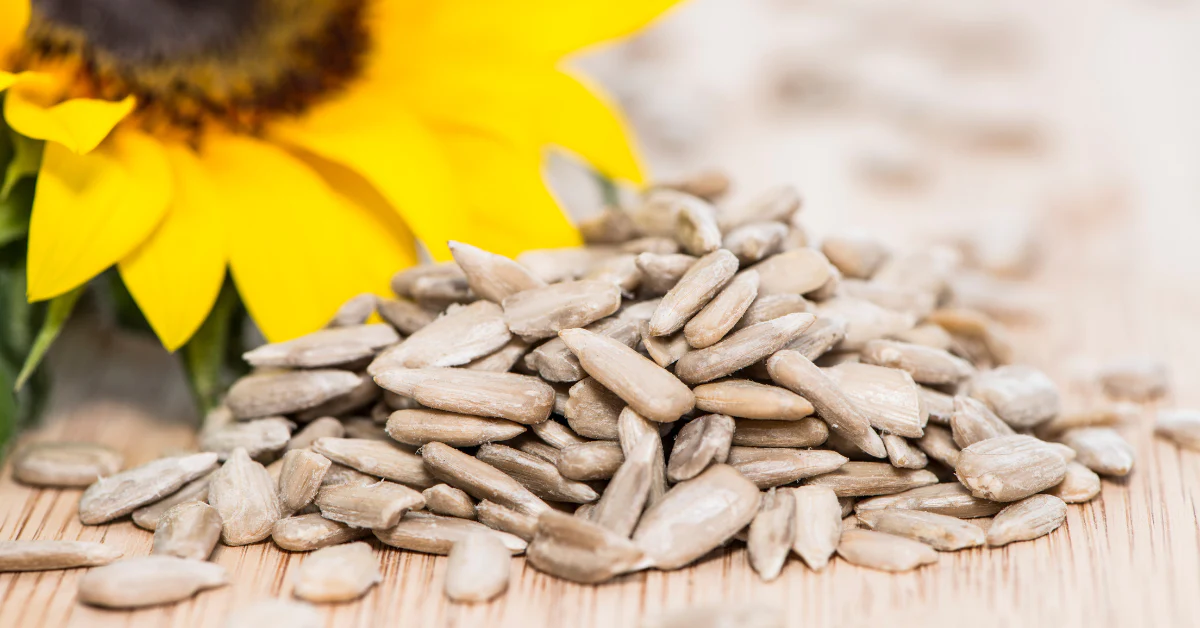
Roasted unsalted sunflower seeds (Helianthus annuus) represent a significant product within the snack food industry, positioned as a healthy and convenient alternative to traditional, heavily processed snacks. Their production involves a carefully controlled process of harvesting, cleaning, roasting, and packaging to maximize palatability, shelf-life, and nutritional value. The technical position in the food chain resides between primary agricultural production and consumer packaged goods. Core performance characteristics include consistent kernel size, low moisture content for extended shelf stability, optimal roasting temperature for flavor development without acrylamide formation, and minimal shell fragmentation during processing. Demand is driven by health consciousness, demand for plant-based proteins, and versatility in culinary applications. The industry grapples with challenges including aflatoxin control, maintaining consistent roasting profiles across large batches, and minimizing shell content to improve consumer experience.
Material Science & Manufacturing
The primary raw material, sunflower seeds, exhibit varying compositions based on cultivar and growing conditions. The kernel is rich in lipids (40-50%), primarily linoleic acid (omega-6) and oleic acid (omega-9), alongside proteins (20-25%) and carbohydrates (15-20%). The shell, a lignocellulosic material, provides physical protection but contributes to waste during processing. Manufacturing begins with harvesting at physiological maturity, followed by drying to a moisture content of approximately 9-12% to inhibit mold growth. Roasting is the critical step, typically employing hot air ovens at temperatures ranging from 120-180°C. Precise temperature control is crucial to prevent lipid oxidation and acrylamide formation. Roasting parameters (temperature, time, air velocity) directly influence the Maillard reaction, responsible for flavor development. Dehulling, either mechanical or pneumatic, removes the shell, although complete removal is often challenging. Finally, seeds are graded based on size and quality, then packaged in moisture-barrier materials (e.g., metallized polyester films) to maintain freshness. Parameter control focuses on maintaining consistent seed moisture, optimizing roasting profiles through real-time temperature monitoring, and calibrating dehulling equipment to minimize kernel damage. Chemical compatibility with packaging materials is vital to prevent migration of plasticizers into the seeds.

Performance & Engineering
Performance evaluation centers on several key areas. Moisture content, typically maintained below 3%, is critical for preventing microbial growth and rancidity. Force analysis applies to the dehulling process; the force required to separate the kernel from the shell dictates the efficiency and damage rate. Environmental resistance focuses on preventing oxidative degradation of lipids. Packaging materials must provide an oxygen barrier to minimize lipid peroxidation and maintain flavor stability. Compliance requirements are stringent, governed by food safety regulations (e.g., FDA in the US, EFSA in Europe) regarding aflatoxin levels, pesticide residues, and heavy metal contamination. Aflatoxins, produced by Aspergillus molds, are potent carcinogens and require rigorous monitoring throughout the supply chain. Functional implementation involves ensuring consistent roasting profiles to deliver uniform flavor and texture. This necessitates precise control of heat transfer and airflow within the roasting equipment. Furthermore, packaging engineering must optimize barrier properties and prevent physical damage during handling and transportation. Shear stress during packaging must be considered to avoid cracking or breaking of the seeds. Headspace gas flushing (nitrogen) within packaging can further reduce oxidation rates.
Technical Specifications
| Parameter | Specification | Test Method | Typical Range |
|---|---|---|---|
| Moisture Content | ≤ 3.0% | Karl Fischer Titration (AOCS Cd 1b-92) | 1.5 – 2.5% |
| Aflatoxin Levels (Total) | ≤ 20 ppb | ELISA or HPLC | < 5 ppb |
| Lipid Content | 40-50% (dry basis) | Soxhlet Extraction (AOCS Am 1-93) | 42-48% |
| Protein Content | 20-25% (dry basis) | Kjeldahl Method (AOCS Ja 1-93) | 22-24% |
| Shell Content | ≤ 5% (by weight) | Visual Inspection & Weight Determination | 1-3% |
| Peroxide Value (PV) | ≤ 5 meq O₂/kg | AOCS Cd 8-53 | < 3 meq O₂/kg |
Failure Mode & Maintenance
Failure modes for roasted sunflower seeds are multifaceted. Rancidity, due to lipid oxidation, is a primary concern, leading to off-flavors and reduced shelf-life. This is accelerated by exposure to oxygen, light, and heat. Kernel cracking during processing (dehulling, packaging) reduces product appeal. This can be caused by excessive impact forces or moisture imbalances. Aflatoxin contamination, even at low levels, represents a critical food safety failure. Moisture regain after roasting and packaging can lead to microbial growth, particularly molds. Shell fragments remaining in the final product compromise consumer experience. Maintenance strategies include regular cleaning and calibration of roasting and dehulling equipment to minimize physical damage. Implementing a robust HACCP (Hazard Analysis and Critical Control Points) plan to monitor and control aflatoxin levels. Utilizing moisture-barrier packaging materials and implementing proper storage conditions (cool, dry, dark) to minimize oxidation and moisture regain. Regularly inspecting packaged products for signs of rancidity or shell fragments. Implementing a preventative maintenance schedule for packaging machinery to ensure seal integrity. Periodic validation of roasting temperature profiles to ensure consistent flavor and minimize acrylamide formation.
Industry FAQ
Q: What are the critical control points for aflatoxin contamination in sunflower seeds?
A: The critical control points begin at pre-harvest with careful selection of sunflower fields with low historical aflatoxin incidence. Post-harvest, thorough cleaning and grading to remove damaged or moldy seeds are crucial. Roasting at appropriate temperatures (typically >120°C) effectively destroys aflatoxins, but requires precise temperature control and monitoring. Proper storage in dry conditions is also essential to prevent mold growth and subsequent aflatoxin production.
Q: How do you prevent rancidity in roasted sunflower seeds, and what packaging materials are most effective?
A: Rancidity is prevented by minimizing exposure to oxygen, light, and heat. Packaging materials with excellent oxygen barrier properties are vital. Metallized polyester films, aluminum foil laminates, and multilayer structures incorporating EVOH (ethylene vinyl alcohol) are commonly used. Nitrogen flushing within the packaging can further reduce oxygen levels. Antioxidants can also be added, though regulatory considerations apply.
Q: What is the optimal roasting profile for maximizing flavor development while minimizing acrylamide formation?
A: The optimal roasting profile depends on seed moisture content and desired flavor characteristics. Generally, a moderate temperature (140-160°C) for a shorter duration (15-20 minutes) is preferred to minimize acrylamide formation. Utilizing a multi-stage roasting process, starting at a lower temperature and gradually increasing it, can also help. Real-time temperature monitoring and control are essential.
Q: How is shell content measured, and what impact does it have on product quality?
A: Shell content is typically measured by visual inspection and weight determination. A representative sample of the roasted seeds is manually sorted to remove shell fragments, and the weight of the removed shells is expressed as a percentage of the total sample weight. High shell content negatively impacts product quality, reducing consumer appeal and potentially causing dental damage.
Q: What analytical methods are used to verify the quality and safety of the final product?
A: Key analytical methods include moisture content determination (Karl Fischer titration), aflatoxin analysis (ELISA or HPLC), lipid content analysis (Soxhlet extraction), peroxide value determination (AOCS Cd 8-53) to assess rancidity, and protein content analysis (Kjeldahl method). Microbiological testing is also conducted to ensure the absence of harmful bacteria and molds.
Conclusion
Roasted unsalted sunflower seeds, while seemingly simple, represent a technologically nuanced food product. Achieving optimal quality and safety requires careful control over every stage of the production process, from seed selection and roasting parameters to packaging and storage. The critical interplay between material science – the chemical composition of the seed and shell – and engineering – the precise control of roasting, dehulling, and packaging – dictates the final product’s characteristics and shelf-life.
Future development will likely focus on enhanced dehulling technologies to minimize kernel damage and shell content, improved packaging materials with even greater barrier properties, and optimized roasting profiles that further reduce acrylamide formation. Furthermore, advancements in analytical techniques for rapid aflatoxin detection and the development of sunflower cultivars with inherent resistance to Aspergillus molds will contribute to a safer and more sustainable supply chain.
