Introduction
Roasted unsalted sunflower seeds represent a significant sector within the broader snack food industry, positioned between agricultural commodity processing and consumer packaged goods. The manufacturing process involves multiple stages: seed selection, cleaning, dehulling, roasting, seasoning (in this case, none), and packaging. Core performance characteristics revolve around seed quality (oil content, protein content, kernel size), roasting uniformity, absence of rancidity, and maintaining structural integrity during handling and transportation. The industry faces key challenges related to sourcing high-quality seeds, optimizing roasting processes for flavor and texture, controlling acrylamide formation during high-temperature roasting, and meeting stringent food safety regulations. This guide details the technical considerations for manufacturers aiming to produce premium quality roasted unsalted sunflower seeds.
Material Science & Manufacturing
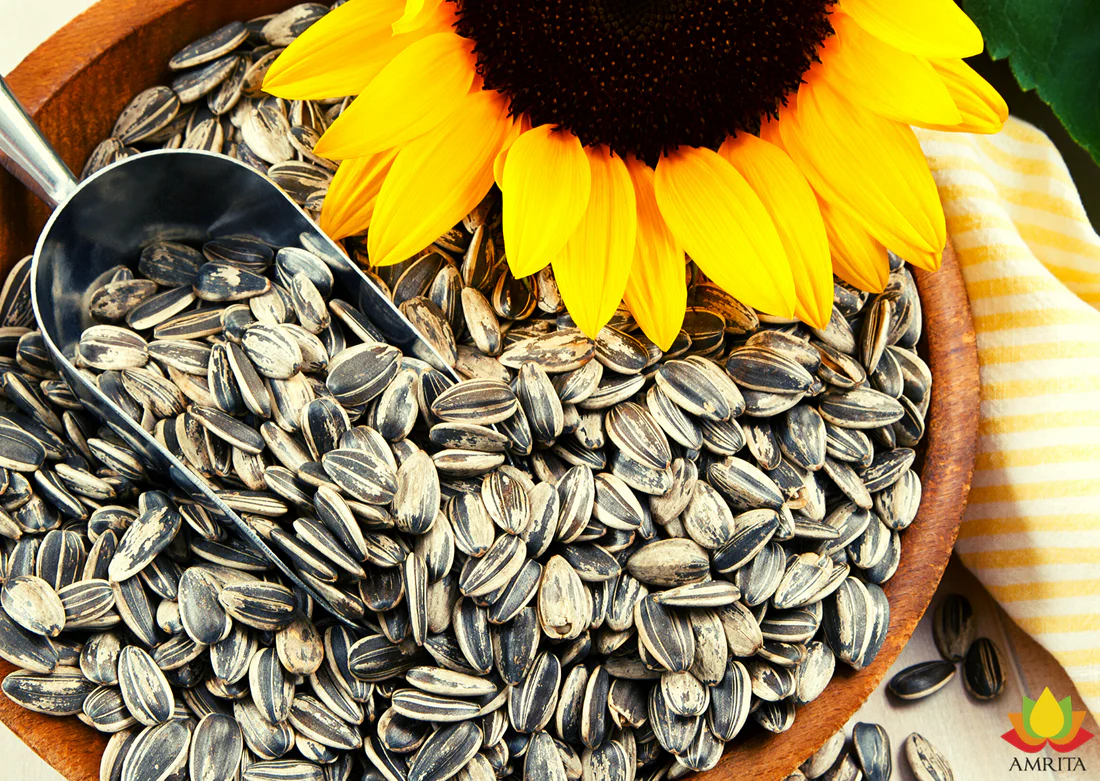
The primary raw material is the sunflower seed (Helianthus annuus), specifically varieties bred for high oil content (typically 40-50% by weight) and kernel size. Seed composition varies significantly based on genetics, growing conditions, and harvesting practices. Chemically, the seed comprises proteins (20-25%), carbohydrates (15-20%), fats (40-50% - primarily linoleic acid, an omega-6 fatty acid), and fiber. Dehulling is a critical step, mechanically removing the outer hull. This process requires precise calibration of rollers and air separators to minimize kernel damage. Roasting utilizes dry heat, typically in rotary or fluid-bed roasters. Key parameters include roasting temperature (140-180°C), roasting time (15-30 minutes), and airflow rate. Temperature control is paramount to prevent scorching and acrylamide formation. Moisture content before roasting (7-10%) is crucial; insufficient moisture leads to uneven roasting, while excessive moisture can cause sticking and uneven color development. Packaging typically employs multi-layer films composed of polypropylene (PP), polyethylene (PE), and potentially metallized layers for barrier protection against oxygen and moisture. Control of seed storage conditions (temperature, humidity) is vital to prevent lipid oxidation and maintain seed viability before processing.
Performance & Engineering
Performance analysis centers on several key areas. Firstly, kernel strength is crucial to withstand handling during processing and packaging; brittle kernels result in increased breakage and fines. This is assessed via compression testing, measuring the force required to fracture the kernel. Secondly, moisture content control impacts texture – optimal moisture results in a desirable crispness. Water activity (Aw) is a critical parameter monitored to prevent microbial growth and rancidity. Thirdly, roasting uniformity is essential for consistent flavor and color. This is evaluated through spectrophotometric analysis, measuring color values (L, a, b) across a representative sample. Environmental resistance pertains primarily to barrier properties of the packaging material. Oxygen Transmission Rate (OTR) and Water Vapor Transmission Rate (WVTR) must be minimized to prevent oxidation and moisture absorption, impacting shelf life. Compliance requirements include adherence to Food and Drug Administration (FDA) regulations for food processing, Hazard Analysis and Critical Control Points (HACCP) principles for food safety, and potentially regional regulations regarding acrylamide levels in food products. Functional implementation relies on precise calibration of roasting equipment, automated sorting systems to remove defective seeds, and quality control procedures throughout the entire process.
Technical Specifications
| Parameter | Unit | Typical Value | Acceptable Range |
|---|---|---|---|
| Kernel Moisture Content | % (wet basis) | 8.0 | 7.0 - 9.0 |
| Oil Content | % (dry basis) | 50 | 48 - 52 |
| Kernel Size (Average Diameter) | mm | 8.5 | 8.0 - 9.0 |
| Roasting Temperature | °C | 160 | 140 - 180 |
| Roasting Time | minutes | 20 | 15 - 25 |
| Water Activity (Aw) | - | 0.65 | < 0.70 |
Failure Mode & Maintenance
Failure modes in roasted sunflower seeds can manifest in several ways. Rancidity, caused by lipid oxidation, is a primary concern, resulting in off-flavors and reduced product quality. This is accelerated by exposure to oxygen, light, and high temperatures. Kernel cracking during roasting or handling is another common issue, leading to fines and aesthetic defects. Acrylamide formation, a potential health hazard, is a function of roasting temperature and time. Packaging failures, such as seal defects or punctures, can compromise barrier properties and lead to spoilage. Maintenance strategies include regular cleaning of roasting equipment to prevent buildup of oil and debris, calibration of temperature sensors and control systems, periodic inspection of conveyor belts and sorting mechanisms, and implementation of a robust pest control program. Preventive maintenance schedules should be established for all critical equipment. Regular monitoring of seed quality (oil content, moisture content) is vital to optimize roasting parameters. Packaging materials should be stored in a cool, dry environment to maintain their integrity. Staff training on proper sanitation procedures and quality control protocols is also essential.
Industry FAQ
Q: What is the impact of sunflower seed variety on the final product quality?
A: Sunflower seed variety significantly affects oil content, kernel size, and protein composition. High-oleic varieties are preferred as they are more resistant to oxidation and contribute to a longer shelf life. Larger kernel sizes generally yield a more desirable eating experience. Specific varieties are also bred for improved roasting characteristics, reducing breakage and enhancing flavor development.
Q: How can acrylamide formation be minimized during roasting?
A: Acrylamide formation is primarily influenced by roasting temperature and time. Lowering the roasting temperature and reducing roasting time are effective strategies. Optimizing moisture content prior to roasting is also crucial, as lower moisture levels tend to increase acrylamide formation. Adding ascorbic acid (Vitamin C) as an antioxidant can further inhibit acrylamide formation.
Q: What are the key considerations for packaging to ensure optimal shelf life?
A: Packaging should provide an effective barrier against oxygen, moisture, and light. Multi-layer films composed of polypropylene (PP) and polyethylene (PE) with a metallized layer are commonly used. Proper sealing is critical to prevent ingress of oxygen and moisture. Package size should be optimized to minimize headspace, reducing oxygen exposure.
Q: How is roasting uniformity monitored and controlled?
A: Roasting uniformity is assessed through color measurement using a spectrophotometer, analyzing L, a, and b values. Continuous temperature monitoring within the roaster is essential. Airflow rate and drum speed (for rotary roasters) must be carefully controlled to ensure even heat distribution. Regular calibration of roasting equipment is also vital.
Q: What are the critical control points in a HACCP plan for roasted sunflower seeds?
A: Critical control points typically include raw material inspection (seed quality, moisture content), roasting temperature and time control, metal detection, and packaging integrity checks. Proper sanitation procedures and pest control are also essential components of a comprehensive HACCP plan.
Conclusion
The production of high-quality roasted unsalted sunflower seeds requires meticulous attention to detail throughout the entire process, from raw material sourcing to packaging. Understanding the interplay between material science, engineering principles, and stringent quality control measures is crucial for maximizing product performance and ensuring food safety. Optimizing roasting parameters to minimize acrylamide formation and maintaining effective barrier properties in packaging are key to achieving an extended shelf life and a superior consumer experience.
Future trends in the industry will likely focus on innovative roasting technologies (e.g., microwave-assisted roasting) to further reduce acrylamide formation and improve energy efficiency. Development of packaging materials with enhanced barrier properties and sustainable attributes will also be a priority. Continuous monitoring and refinement of quality control procedures will remain essential for maintaining product consistency and meeting evolving regulatory requirements.
