Introduction
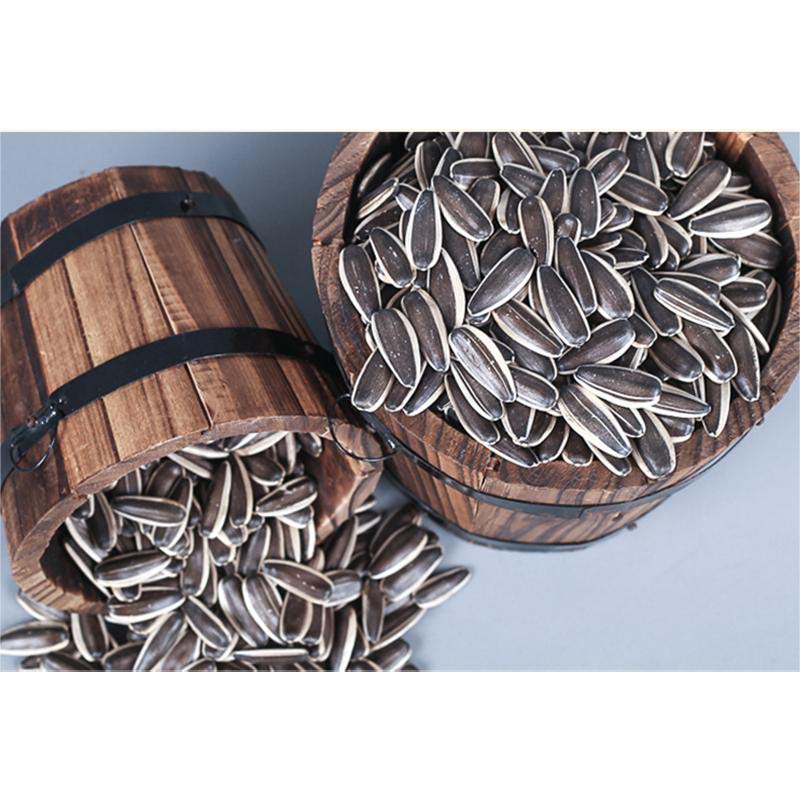
Roasted unsalted sunflower seeds represent a significant segment within the snack food industry, requiring specialized processing facilities for efficient and safe production. A roasted unsalted sunflower seed factory encompasses all stages from raw seed intake and cleaning to roasting, seasoning (in other product lines), quality control, packaging, and dispatch. These facilities operate within a complex network of agricultural supply chains, food safety regulations, and evolving consumer preferences. The industry faces core challenges related to consistent seed quality, optimization of roasting processes to maximize flavor and minimize acrylamide formation, maintaining strict hygiene standards to prevent contamination, and efficient packaging solutions to extend shelf life. This technical guide provides a comprehensive overview of the materials, manufacturing processes, performance characteristics, potential failure modes, and maintenance protocols critical to the successful operation of a roasted unsalted sunflower seed factory. Understanding these aspects is vital for optimizing production yields, ensuring product safety, and maintaining a competitive edge in the global snack food market.
Material Science & Manufacturing
The primary raw material, sunflower seeds (Helianthus annuus), exhibits variability in oil content (35-55%), protein (20-25%), and moisture (8-12%) depending on cultivar, growing conditions, and harvesting practices. The seed hull (pericarp) comprises approximately 20-30% of the seed mass and is typically removed during processing. Manufacturing begins with cleaning and de-hulling, typically using air separation, aspiration, and mechanical abrasion. Following de-hulling, the seeds undergo a grading process based on size and density. Roasting is the critical processing step, utilizing hot air convection ovens or rotary drum roasters. Temperature control (140-180°C) and roasting time (20-40 minutes) are paramount, directly impacting flavor development, seed texture, and the formation of undesirable compounds like acrylamide. Post-roasting, seeds are cooled rapidly to halt the roasting process. Packaging materials commonly include multi-layer films composed of polyethylene (PE), polypropylene (PP), and aluminum foil to provide barrier properties against moisture, oxygen, and light. Parameter control during manufacturing includes consistent seed moisture content pre-roasting, accurate temperature and time profiles during roasting, and regular monitoring of acrylamide levels. The choice of oven material (typically stainless steel – grade 304 or 316) is crucial for preventing corrosion and maintaining hygienic conditions. Belt materials for conveying systems should be food-grade compliant (e.g., FDA-approved polymers) and resistant to wear and tear.
Performance & Engineering
The performance of a sunflower seed factory is assessed through several key metrics: throughput (seeds processed per hour), roasting uniformity (measured by color and moisture content variation), acrylamide levels (ensuring compliance with regulatory limits), packaging integrity (seal strength, barrier properties), and energy efficiency. Engineering considerations focus on heat transfer optimization during roasting, minimizing seed breakage during handling, and maintaining a sanitary processing environment. Force analysis is relevant in conveyor system design, ensuring adequate load-bearing capacity and minimizing stress on seeds. Environmental resistance focuses on controlling humidity and temperature within the processing area to prevent clumping and maintain seed quality. Compliance requirements include adherence to food safety standards like HACCP (Hazard Analysis and Critical Control Points), GMP (Good Manufacturing Practices), and relevant national or regional regulations regarding food additives and labeling. Functional implementation involves integrating process control systems (PLC-based automation) to monitor and adjust roasting parameters in real-time, optimizing energy consumption and ensuring consistent product quality. Effective dust collection systems are vital to prevent fire hazards and maintain air quality. The design of cooling systems impacts seed quality, with rapid cooling minimizing residual roasting and preserving flavor.
Technical Specifications
| Parameter | Unit | Typical Value | Acceptable Range |
|---|---|---|---|
| Raw Seed Moisture Content | % | 10 | 8 - 12 |
| Roasting Temperature | °C | 160 | 140 - 180 |
| Roasting Time | Minutes | 30 | 20 - 40 |
| Acrylamide Level | ppb | 50 | < 100 (Regulatory Limit) |
| Oxygen Transmission Rate (OTR) - Packaging | cc/m²/day | < 10 | < 20 |
| Water Vapor Transmission Rate (WVTR) - Packaging | g/m²/day | < 3 | < 5 |
Failure Mode & Maintenance
Common failure modes in sunflower seed factories include: roasting oven malfunction (leading to uneven roasting or scorching), conveyor belt wear and tear (causing seed damage and downtime), packaging machine failures (resulting in seal defects and product spoilage), dust collector inefficiencies (increasing fire risk and compromising air quality), and sensor drift in process control systems (leading to inaccurate temperature or moisture readings). Fatigue cracking can occur in oven components due to thermal cycling. Delamination of conveyor belts can occur due to improper tensioning or abrasive seed particles. Degradation of packaging film can occur due to exposure to UV light or high humidity. Oxidation of metal components can lead to corrosion and contamination. Preventive maintenance protocols include regular inspection of roasting ovens for element integrity and temperature calibration, scheduled replacement of conveyor belts, routine cleaning and filter replacement in dust collectors, and periodic calibration of sensors. Lubrication of moving parts is crucial to prevent wear and tear. Implementation of a robust predictive maintenance program, utilizing vibration analysis and thermal imaging, can help identify potential failures before they occur, minimizing downtime and maximizing operational efficiency. Regular sanitation procedures and pest control measures are essential to prevent biological contamination.
Industry FAQ
Q: What is the optimal roasting profile to minimize acrylamide formation while maintaining desirable flavor characteristics?
A: Achieving the optimal roasting profile involves a balance. Lower roasting temperatures (around 140-150°C) and shorter roasting times generally reduce acrylamide formation. However, this may result in a less developed flavor profile. Utilizing a two-stage roasting process – a lower temperature initial stage for moisture removal followed by a higher temperature stage for flavor development – can be effective. Furthermore, controlling the seed's initial moisture content is crucial; lower moisture content before roasting tends to reduce acrylamide formation.
Q: How can we ensure consistent seed quality from different suppliers?
A: Establishing stringent quality control criteria for incoming seeds is paramount. This includes specifications for moisture content, oil content, foreign matter, and seed size. Regular auditing of supplier facilities and implementation of a seed grading system based on these criteria are essential. Maintaining strong relationships with suppliers and providing feedback on seed quality can also drive continuous improvement.
Q: What packaging materials offer the best barrier properties for extending shelf life?
A: Multi-layer films incorporating aluminum foil provide the most effective barrier against oxygen, moisture, and light. However, cost considerations may necessitate using alternative materials like metallized polyester (PET) or EVOH (ethylene vinyl alcohol) layers in combination with PE and PP. The choice depends on the target shelf life and the sensitivity of the product to environmental factors.
Q: What are the key considerations for designing an effective dust collection system?
A: The dust collection system must be sized appropriately for the volume of dust generated during processing. It should incorporate a multi-stage filtration system, including pre-filters, bag filters, or cartridge filters, to remove fine dust particles. The system should be designed to prevent dust accumulation in hazardous areas and comply with relevant safety regulations (e.g., NFPA standards). Regular maintenance and filter replacement are crucial for maintaining optimal performance.
Q: How can we monitor and control the roasting process in real-time to ensure consistent product quality?
A: Implementing a PLC-based process control system with integrated sensors for temperature, moisture, and color monitoring is essential. This allows for real-time adjustments to roasting parameters based on feedback from the sensors, ensuring consistent product quality. Data logging and analysis can identify trends and optimize the roasting process further.
Conclusion
The successful operation of a roasted unsalted sunflower seed factory hinges on a detailed understanding of material science, manufacturing processes, and rigorous quality control. Optimizing the roasting profile to balance flavor development with acrylamide mitigation is a critical challenge. Implementing robust preventive maintenance programs and adhering to stringent hygiene standards are vital for ensuring product safety and minimizing downtime. The integration of advanced process control systems and continuous monitoring of key performance indicators are essential for maintaining a competitive edge in the dynamic snack food industry.
Future trends in the industry are likely to focus on sustainable sourcing of seeds, development of novel packaging materials with improved barrier properties and recyclability, and the application of machine learning algorithms to optimize roasting processes and predict equipment failures. Furthermore, consumer demand for healthier snack options may drive innovation in seasoning formulations and processing techniques.
