Introduction
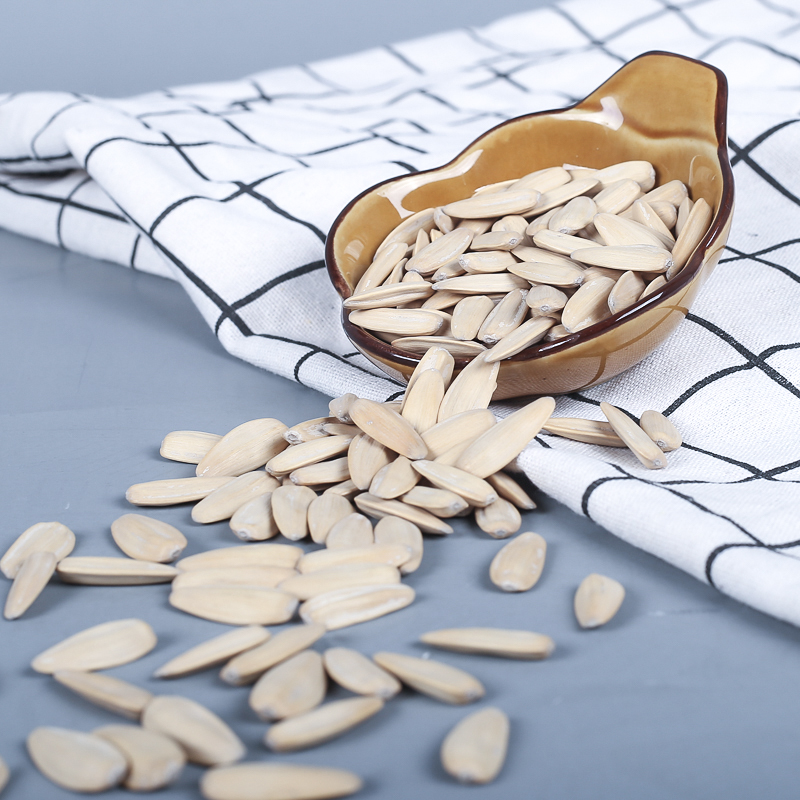
Roasted unsalted sunflower seeds represent a significant commodity within the global snack food market, experiencing consistent demand as a healthy and convenient option. The export sector is particularly sensitive to quality control, regulatory compliance, and consistent supply chain management. This technical guide focuses on the critical parameters impacting the export of these seeds, spanning from raw material characteristics through processing, quality assessment, and potential failure modes. We will address the key concerns of B2B buyers seeking reliable, high-quality product and adherence to international food safety standards. The technical position within the food chain is as a processed agricultural product, requiring attention to both agricultural practices at the source and post-harvest handling, roasting techniques, and packaging integrity. Core performance characteristics, crucial for export viability, include kernel size, oil content, moisture content, absence of foreign matter, and microbiological safety. These parameters directly impact shelf life, consumer acceptability, and adherence to importing country regulations.
Material Science & Manufacturing
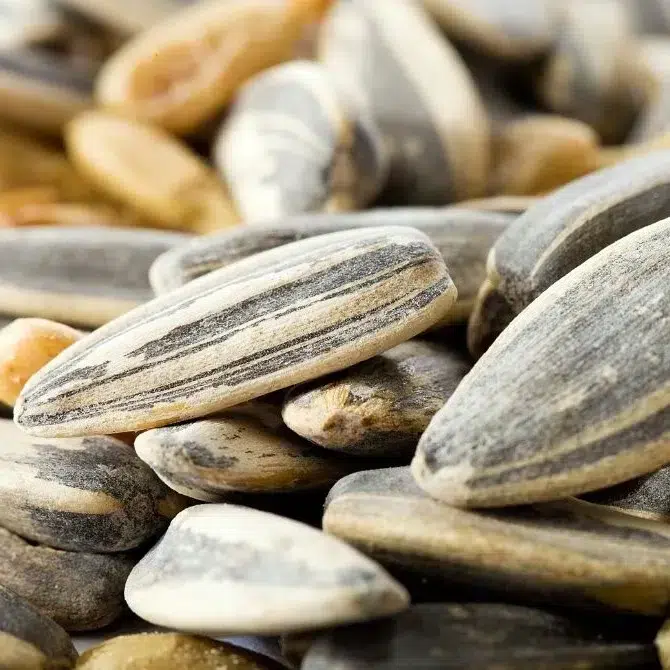
The primary raw material, sunflower seeds ( Helianthus annuus), exhibits variability in composition based on genetics, growing conditions, and harvesting practices. Kernel oil content typically ranges from 42-58% depending on the hybrid. The seed hull comprises 28-35% of the seed weight, with the kernel representing the remaining portion. Key physical properties impacting processing include kernel density (approximately 0.95 g/cm³), hardness, and moisture content (initially 8-12% after harvest). Manufacturing begins with cleaning and grading, removing foreign materials like stems, leaves, and damaged seeds. Roasting is the critical processing step, typically performed at temperatures between 150-180°C (302-356°F) for 15-30 minutes. This process develops flavor, reduces moisture content (to approximately 2-4%), and inactivates enzymes that could lead to rancidity. Precise temperature and time control are paramount; under-roasting results in bland flavor and poor shelf stability, while over-roasting leads to burnt flavors and nutrient degradation. Control of roasting parameters is often achieved using conveyor roasters with precise temperature sensors and automated dwell time control. Salting is omitted in this case, necessitating tighter control of roasting to enhance flavor development. Post-roasting cooling is crucial to halt the cooking process, often achieved using forced air. Finally, seeds are sorted based on size and quality, and packaged to maintain freshness and prevent moisture absorption. Packaging materials, discussed later, play a critical role in product integrity.
Performance & Engineering
The performance of roasted sunflower seeds, from a B2B perspective, is directly linked to its physical and chemical stability throughout the supply chain. Moisture content is a critical engineering parameter; exceeding 4% can initiate mold growth and accelerate rancidity. Packaging must therefore provide a reliable moisture barrier. The force required to dehull the seed (kernel resistance to shelling) is another key characteristic, impacting processing efficiency during subsequent utilization (e.g., for oil extraction). Oil stability, measured by the Peroxide Value (PV) and Anisidine Value (AV), indicates the degree of lipid oxidation. Low PV and AV values are essential for maintaining flavor and extending shelf life. Environmental resistance focuses primarily on protection from humidity and temperature fluctuations during transport and storage. Packaging materials must withstand these stresses. Compliance requirements are extensive, encompassing regulations set by the FDA (USA), EFSA (Europe), and corresponding authorities in importing countries. These regulations address permissible levels of contaminants (heavy metals, pesticides), microbiological safety (Salmonella, E. coli), and packaging material compliance (migration limits for plasticizers and other compounds). Functional implementation relies on maintaining consistent roasting profiles to achieve desired flavor characteristics and minimize acrylamide formation, a potential process contaminant.
Technical Specifications
| Parameter | Unit | Specification (Typical Export Grade) | Test Method |
|---|---|---|---|
| Moisture Content | % | ≤ 4.0 | AOAC 925.10 |
| Oil Content | % (dry basis) | ≥ 50.0 | AOAC 920.39 |
| Kernel Size (Average) | mm | 12-16 | Visual Sorting & Image Analysis |
| Foreign Matter | % | ≤ 0.5 | Visual Inspection |
| Broken/Damaged Kernels | % | ≤ 5.0 | Visual Inspection |
| Peroxide Value (PV) | meq O₂/kg | ≤ 5.0 | AOCS Cd 8-53 |
Failure Mode & Maintenance
Failure modes in roasted unsalted sunflower seeds primarily relate to loss of quality during storage and transport. Rancidity, caused by lipid oxidation, is a major concern, evidenced by off-flavors and odors. This is accelerated by exposure to oxygen, light, and elevated temperatures. Moisture absorption leads to clumping, mold growth ( Aspergillus, Penicillium), and potential mycotoxin contamination. Physical damage during handling (cracking, hull breakage) reduces visual appeal and increases susceptibility to oxidation. Packaging failure (seal integrity compromised) exacerbates moisture and oxygen ingress. Maintenance, in this context, refers to preventative measures. These include proper storage conditions (cool, dry, dark), use of high-barrier packaging materials (metallized films, foil laminates), and strict adherence to first-in, first-out (FIFO) inventory management. Regular quality control testing (moisture content, PV, AV, microbiological analysis) is crucial for detecting early signs of degradation. Nitrogen flushing of packaging can further reduce oxygen levels and extend shelf life. Addressing potential contamination sources during harvesting and processing is also critical; this involves proper cleaning and sanitation procedures, pest control, and adherence to Good Manufacturing Practices (GMP).
Industry FAQ
Q: What is the acceptable level of aflatoxin in sunflower seeds for export to the European Union?
A: The European Union has stringent regulations regarding aflatoxin levels. For sunflower seeds, the maximum permissible level for total aflatoxins (B1, B2, G1, G2) is 2 µg/kg (ppb). Regular testing utilizing HPLC or ELISA methods is mandatory to ensure compliance, and exceeding this limit will result in rejection of the shipment.
Q: How does kernel size affect the pricing and marketability of sunflower seeds?
A: Larger kernel sizes are generally preferred by consumers, as they provide a more substantial bite and are perceived as higher quality. Consequently, seeds with a consistently larger kernel size typically command a higher price. Kernel size also impacts processing efficiency for applications such as oil extraction; uniform size promotes efficient cracking and oil yield.
Q: What packaging materials are most effective at preventing rancidity during long-term storage and international transport?
A: High-barrier packaging materials are essential. Metallized polyester (PET) films laminated with polyethylene (PE) offer excellent oxygen and moisture barrier properties. Foil laminates provide the highest level of protection but are more expensive. Vacuum packaging or modified atmosphere packaging (MAP) with nitrogen flushing can further reduce oxygen levels within the package, extending shelf life significantly. The packaging should also be robust enough to withstand the rigors of international transport.
Q: What are the key differences between hot air roasting and drum roasting for sunflower seeds, and how do these impact quality?
A: Hot air roasting provides more uniform heating and better control over temperature, resulting in more consistent flavor development and reduced acrylamide formation. Drum roasting can lead to localized overheating and uneven roasting if not carefully controlled. Hot air roasting also generally results in lower oil absorption. The choice depends on processing capacity and the desired flavor profile.
Q: What documentation is typically required for importing roasted sunflower seeds into the United States?
A: Typically, importers will require a Bill of Lading, Commercial Invoice, Packing List, Certificate of Origin, and a Phytosanitary Certificate confirming the seeds are free from pests and diseases. Furthermore, documentation demonstrating compliance with FDA regulations, including food safety plans (HACCP) and laboratory test results verifying aflatoxin and heavy metal levels, is critical. The FDA may also conduct import inspections.
Conclusion
The successful export of roasted unsalted sunflower seeds hinges on a comprehensive understanding of the interplay between material science, manufacturing parameters, and stringent quality control measures. Maintaining low moisture content, minimizing lipid oxidation, and ensuring packaging integrity are paramount for preserving product quality and meeting the demands of international markets. Adherence to regulatory standards, particularly concerning aflatoxins and microbiological safety, is non-negotiable.
Future trends will likely focus on sustainable sourcing of sunflower seeds, innovative packaging solutions utilizing biodegradable materials, and enhanced traceability systems to ensure supply chain transparency. Continuous monitoring of processing parameters and investment in advanced analytical techniques will be crucial for maintaining a competitive edge in this dynamic market. Proactive engagement with importing country regulations and a commitment to consistent product quality will be key for long-term success.
