Introduction
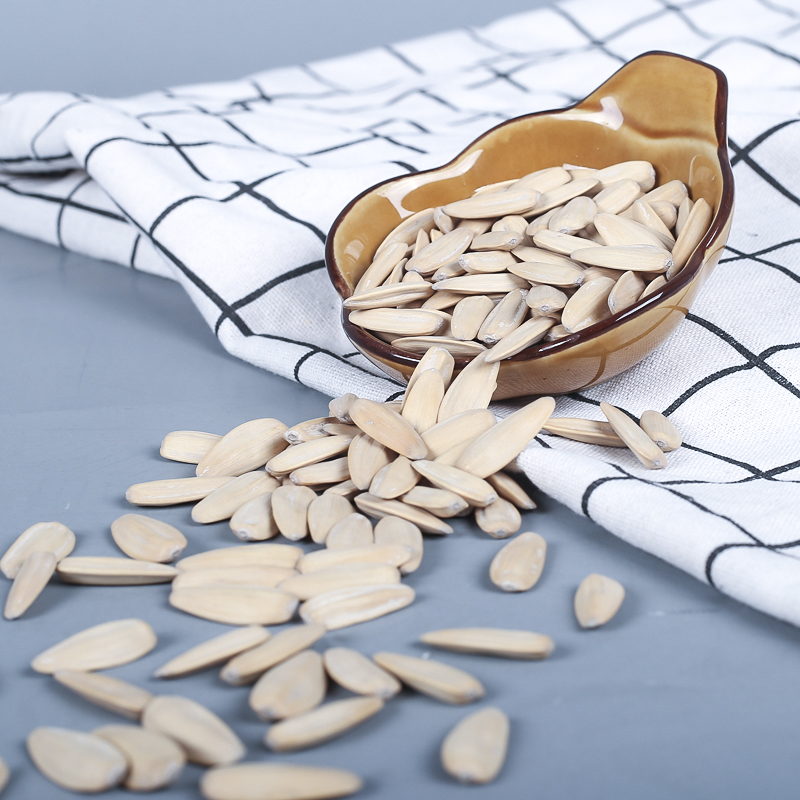
Roasted sunflower seeds are a widely consumed snack food, representing a significant segment of the seed-based confectionery market. Technically, they are the fruit of the Helianthus annuus plant, processed through drying and roasting to enhance flavor, texture, and shelf life. Positioned within the agricultural processing chain, sunflower seed roasting involves critical transformations affecting the oil content, protein structure, and overall nutritional profile. Core performance characteristics include consistent roast degree, minimal shell fragmentation, low levels of acrylamide formation, and adequate seasoning adhesion. These parameters are pivotal in meeting consumer expectations and ensuring product safety, addressing a key pain point in the industry: maintaining consistent quality across large-scale production runs and mitigating potential health risks associated with process-induced compounds. The industry constantly seeks improvements in roasting technology to optimize these parameters, balancing throughput, energy efficiency, and product quality.
Material Science & Manufacturing
The primary raw material, sunflower seeds, consists of approximately 30-45% oil (primarily linoleic acid), 20-25% protein, 15-20% carbohydrate (primarily cellulose in the shell), and 5-10% moisture. The oil composition dictates the seed’s oxidative stability and roasting characteristics. Seed shells are composed of lignin and cellulose, providing structural integrity but also influencing fragmentation during processing. Manufacturing begins with seed selection and cleaning, followed by dehulling (partial or complete). Dehulling efficiency impacts the final product’s appeal. The critical stage is roasting, typically conducted in rotary drum roasters, fluid bed roasters, or vacuum roasters. Drum roasters offer high throughput but can exhibit inconsistent roasting due to variations in seed bed depth and agitation. Fluid bed roasters provide more uniform heating but have lower capacity. Vacuum roasting minimizes oxidation but is more energy-intensive. Key parameters during roasting include temperature (120-180°C), roasting time (15-45 minutes), and airflow. Temperature control is paramount to prevent acrylamide formation – a known carcinogen. Post-roasting, seeds are typically seasoned with salt, flavorings, and sometimes coatings (e.g., sugar, spices). Seasoning adhesion is influenced by seed surface moisture and the coating’s viscosity. Finally, seeds are cooled and packaged in airtight containers to maintain freshness and prevent rancidity. Controlling moisture content post-roast is critical for preventing microbial growth and maintaining textural integrity.
Performance & Engineering
Performance analysis of roasted sunflower seeds necessitates considering several engineering principles. Force analysis during handling and packaging must account for the seed’s friability – the tendency to break under stress. Shell fragmentation is a significant concern; excessive breakage leads to dust generation and reduced visual appeal. Environmental resistance is primarily focused on preventing oxidative rancidity. The oil within the seeds is susceptible to oxidation, leading to off-flavors and reduced nutritional value. Packaging materials with low oxygen transmission rates (OTR) are crucial. Furthermore, moisture ingress accelerates oxidation, necessitating moisture-barrier packaging. Compliance requirements include food safety regulations (e.g., FDA in the US, EFSA in Europe) concerning acrylamide levels, heavy metal contamination, and microbiological safety. Roasting process control also directly impacts compliance. Functional implementation of roasting involves precise control loops for temperature, airflow, and drum speed (in drum roasters). Advanced control systems utilize PID controllers to maintain desired roasting profiles. Proper ventilation systems are also crucial to remove volatile organic compounds (VOCs) generated during roasting, ensuring worker safety and environmental compliance. The mechanical strength of packaging materials is also a crucial engineering consideration; the packaging must withstand the rigors of transportation and handling without compromising product integrity.
Technical Specifications
| Moisture Content (%) | Oil Content (%) | Acrylamide Level (µg/kg) | Peroxide Value (meq O2/kg) |
|---|---|---|---|
| 2.5 - 4.0 | 40 - 50 | < 50 | < 2.0 |
| Shell Fragmentation (%) | Salt Content (%) | Roast Degree (Hunter Color L Value) | Water Activity (Aw) |
| < 10 | 0.8 - 1.5 | 40-60 | < 0.65 |
| Particle Size Distribution (Average Diameter, mm) | Protein Content (%) | Bulk Density (g/cm³) | FFA (Free Fatty Acids) (%) |
| 8-12 | 20-26 | 0.5 - 0.7 | < 0.2 |
| Packaging OTR (cc/m²/day) | Packaging WVTR (g/m²/day) | Shelf Life (Months) | Microbial Count (CFU/g) |
Failure Mode & Maintenance
Roasted sunflower seeds are susceptible to several failure modes. Rancidity, driven by lipid oxidation, is a primary cause of product rejection, manifesting as off-flavors and odors. This is accelerated by high temperatures, light exposure, and oxygen presence. Shell fragmentation, as previously discussed, compromises product appearance and generates dust. Another failure mode is discoloration – darkening of the seed coat due to Maillard reactions occurring during roasting. Excessive roasting temperatures exacerbate this. Furthermore, improper seasoning adhesion leads to uneven flavor distribution and consumer dissatisfaction. Acrylamide formation, while a safety concern, is also a failure mode related to process control. Maintenance of roasting equipment is crucial. Regular cleaning of roasters prevents buildup of seed residue and reduces the risk of fire hazards. Monitoring and calibration of temperature sensors are essential for consistent roasting. Preventive maintenance of airflow systems ensures adequate ventilation and prevents overheating. Inspection of packaging seals is critical to maintain barrier properties and prevent moisture ingress. Regular testing of finished product for oil rancidity (via peroxide value), acrylamide levels, and microbial contamination is essential for quality control and proactive identification of potential issues. Storage conditions also play a role; seeds should be stored in a cool, dry, and dark environment to minimize degradation.
Industry FAQ
Q: What is the optimal moisture content for roasted sunflower seeds to maximize shelf life?
A: The optimal moisture content is generally between 2.5% and 4.0%. Lower moisture content inhibits microbial growth and slows down oxidation rates. However, excessively low moisture can lead to a brittle texture and increased shell fragmentation. Careful control during the cooling phase of roasting is crucial.
Q: How can acrylamide formation be minimized during the roasting process?
A: Minimizing acrylamide formation involves controlling roasting temperature and time. Lower roasting temperatures (below 170°C) and shorter roasting times reduce acrylamide precursors. Using asparaginase enzymes to reduce asparagine levels in the seeds before roasting is another effective strategy. Proper ventilation to remove VOCs also plays a role.
Q: What packaging materials are best suited for maintaining the quality of roasted sunflower seeds?
A: Packaging materials with low oxygen transmission rates (OTR) and low water vapor transmission rates (WVTR) are essential. Multi-layer films incorporating materials like metallized polyester or aluminum foil provide excellent barrier properties. Airtight sealing is also critical to prevent oxygen ingress and moisture absorption.
Q: What is the significance of the peroxide value in assessing sunflower seed quality?
A: The peroxide value (PV) is a measure of the extent of lipid oxidation. A higher PV indicates greater oxidation and, consequently, a lower quality product. Generally, a PV below 2.0 meq O2/kg is considered acceptable for roasted sunflower seeds. Regular monitoring of PV is crucial for assessing rancidity development.
Q: What are the key considerations when selecting a roasting machine for large-scale production?
A: Key considerations include throughput capacity, roasting uniformity, energy efficiency, and ease of maintenance. Fluid bed roasters offer excellent uniformity but may have lower capacity compared to drum roasters. Vacuum roasters minimize oxidation but are more energy-intensive. The choice depends on the specific production requirements and budget constraints.
Conclusion
Roasted sunflower seeds production is a complex process heavily reliant on precise control of material properties and manufacturing parameters. Achieving optimal product quality demands a thorough understanding of seed composition, roasting chemistry, and packaging science. Minimizing rancidity, controlling acrylamide formation, and ensuring consistent roast degree are paramount concerns for industry stakeholders. Furthermore, adherence to stringent food safety regulations is non-negotiable.
Future advancements in this field will likely focus on optimizing roasting profiles using data analytics and machine learning, improving packaging materials to enhance barrier properties, and developing novel seasoning technologies to enhance flavor adhesion and consumer appeal. Sustainable sourcing of sunflower seeds and reducing the environmental impact of the roasting process will also become increasingly important considerations.
