Introduction
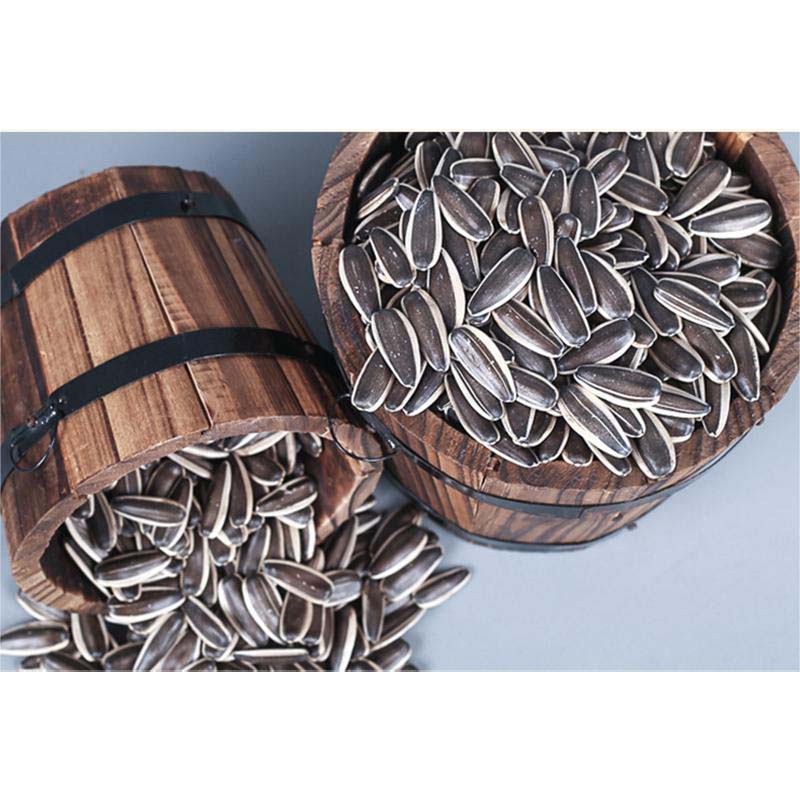
Roasted sunflower seeds represent a significant segment within the snack food industry, valued for their nutritional profile and palatability. From a manufacturing perspective, the process transcends simple roasting; it requires precise control over seed sourcing, cleaning, dehulling, roasting parameters, seasoning application, and packaging to ensure product safety, consistent quality, and shelf-life stability. This guide provides a detailed technical overview for manufacturers of roasted sunflower seeds, encompassing material science, production methodologies, performance considerations, potential failure modes, and adherence to relevant industry standards. The primary pain points for manufacturers center around achieving consistent roast quality (avoiding under- or over-roasting), minimizing acrylamide formation, controlling lipid oxidation and rancidity, maintaining optimal moisture content for crispness, and adhering to stringent food safety regulations regarding foreign material contamination and allergen control. Ultimately, successful production relies on a holistic understanding of the chemical and physical transformations occurring throughout the process.
Material Science & Manufacturing
Sunflower seeds (Helianthus annuus) are composed primarily of lipids (40-50% by weight, predominantly linoleic acid), protein (20-25%), carbohydrates (15-20%), and fiber. The kernel’s outer hull is largely cellulose. The quality of the raw seed significantly impacts the final product. Seed moisture content (typically 8-12% at harvest) is critical; high moisture levels promote mold growth and lipid oxidation, while excessively low moisture content can lead to brittleness during dehulling. Dehulling is a mechanical process, often involving impact and friction, requiring careful calibration to minimize kernel breakage. Roasting, typically conducted at temperatures between 140-180°C (284-356°F), induces several critical changes. Maillard reactions contribute to flavor development and browning, but excessive temperatures can lead to acrylamide formation. Lipid oxidation begins, impacting flavor stability. Moisture evaporation impacts texture; achieving a moisture content of 2-4% is crucial for desired crispness. Seasoning application, often via tumbling or spraying, must ensure even coating and adherence. Packaging, typically in metallized films or multi-layer laminates, provides a barrier against oxygen, moisture, and light, extending shelf life. Parameter control during roasting – temperature, time, airflow, and seed bed depth – is paramount. Real-time monitoring of seed temperature and moisture content using infrared sensors or dielectric probes is standard practice in advanced manufacturing facilities. Continuous monitoring of airflow ensures consistent heat distribution and prevents localized scorching.
Performance & Engineering
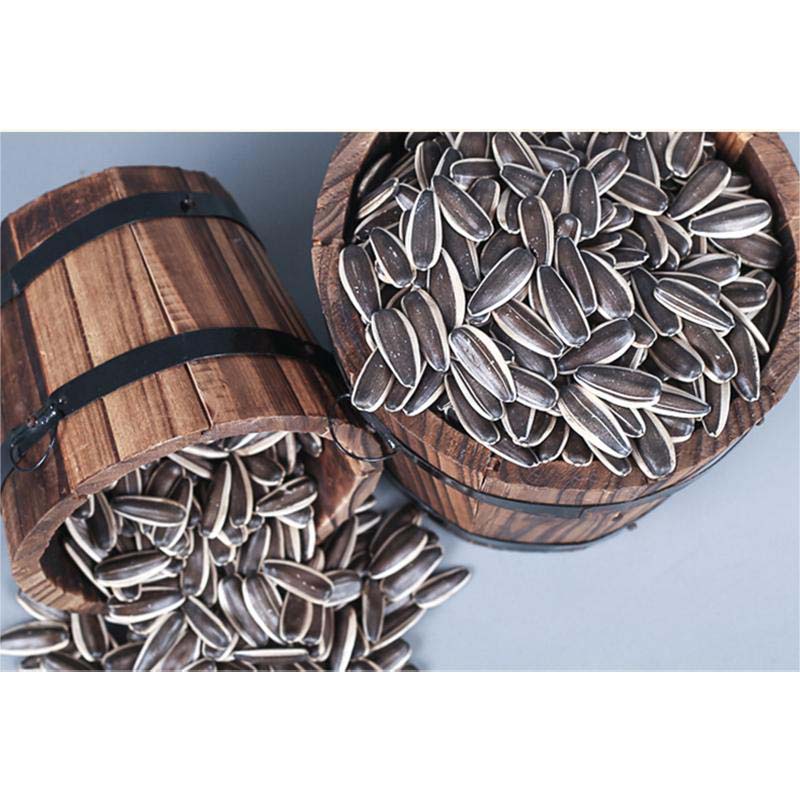
The performance of roasted sunflower seeds is assessed through several key engineering parameters. Shear force analysis determines the crispness and texture; a lower shear force indicates a crisper product. Moisture content, as mentioned previously, is critical, with a target range of 2-4% for optimal texture. Oil content and fatty acid profile are crucial for flavor and nutritional value. Peroxide Value (PV) and Anisidine Value (AV) are used to monitor lipid oxidation levels; lower values indicate better oxidative stability. Water Activity (aw) is a critical factor influencing microbial stability; aw values below 0.6 prevent most microbial growth. Color measurement, using a spectrophotometer, ensures consistency in roast level and visual appeal. Packaging integrity is assessed through oxygen transmission rate (OTR) and water vapor transmission rate (WVTR) testing. Force analysis during dehulling determines the efficiency of the process and minimizes kernel damage. Furthermore, manufacturers must comply with regulations regarding heavy metal content (lead, cadmium, arsenic) and pesticide residues, necessitating regular testing and adherence to Good Agricultural Practices (GAP). The engineering challenge lies in optimizing the roasting process to maximize flavor development while minimizing the formation of undesirable compounds like acrylamide and controlling lipid oxidation.
Technical Specifications
| Parameter | Unit | Typical Range | Test Method |
|---|---|---|---|
| Moisture Content | % | 2-4 | AOAC 925.10 |
| Oil Content | % | 40-50 | AOAC 920.85 |
| Peroxide Value | meq O2/kg | <5 | ISO 3960 |
| Anisidine Value | - | <20 | ISO 6218 |
| Water Activity (aw) | - | <0.6 | ASTM E337 |
| Shear Force | N | 5-15 | Texture Analyzer (TA.XTplus) |
Failure Mode & Maintenance
Common failure modes in roasted sunflower seeds include rancidity (caused by lipid oxidation), softening (due to moisture regain), and discoloration (resulting from continued Maillard reactions or oxidation). Rancidity is often identified through off-flavor detection and elevated peroxide/anisidine values. Softening occurs when the product is exposed to high humidity environments, exceeding the moisture sorption capacity of the packaging. Discoloration can occur during prolonged storage, particularly with inadequate packaging. Kernel cracking during processing and handling is another frequent issue, stemming from improper dehulling or excessive mechanical stress. Foreign material contamination (e.g., shell fragments, metal particles) represents a significant food safety hazard. Preventive maintenance is crucial. Regular inspection and cleaning of dehulling equipment minimizes kernel damage. Maintaining optimal roasting temperature and airflow reduces acrylamide formation and lipid oxidation. Proper calibration of seasoning applicators ensures even coating. Regular inspection of packaging materials for integrity (pinholes, leaks) prevents moisture ingress and oxygen exposure. Metal detectors and x-ray inspection systems are essential for detecting and removing foreign materials. Implementing a robust HACCP (Hazard Analysis and Critical Control Points) plan is paramount for ensuring food safety.
Industry FAQ
Q: What are the key factors influencing acrylamide formation during roasting?
A: Acrylamide formation is primarily influenced by roasting temperature, time, and the availability of reducing sugars (glucose, fructose) and asparagine in the seed. Higher temperatures and longer roasting times promote acrylamide formation. Controlling roasting parameters and potentially utilizing seed varieties with lower asparagine content can mitigate this risk. The use of calcium propionate as an additive can also reduce acrylamide formation.
Q: How can lipid oxidation be minimized during storage?
A: Lipid oxidation can be minimized by employing packaging materials with excellent barrier properties against oxygen and light. Vacuum packaging or modified atmosphere packaging (MAP) using nitrogen can further reduce oxygen levels. Adding natural antioxidants like Vitamin E or rosemary extract can also help stabilize lipids. Storage at low temperatures (below 25°C) significantly slows down oxidation rates.
Q: What is the acceptable level of foreign material contamination?
A: Acceptable levels are regulated by food safety authorities and vary by region. Generally, regulations stipulate limits for inert materials (e.g., shell fragments, stones) and hazardous materials (e.g., metal fragments). Stringent quality control measures, including sieving, magnetic separation, and metal detection, are essential for compliance.
Q: What is the role of moisture content in determining shelf life?
A: Moisture content is a critical determinant of shelf life. Higher moisture content promotes microbial growth and accelerates lipid oxidation. Maintaining a low moisture content (2-4%) through proper roasting and packaging is essential for maximizing shelf life and preventing softening.
Q: How do different packaging materials affect product quality?
A: Packaging materials affect product quality through their barrier properties against oxygen, moisture, and light. Metallized films and multi-layer laminates offer superior barrier protection compared to polyethylene films. The choice of packaging material depends on the desired shelf life and the product's sensitivity to environmental factors.
Conclusion
The production of high-quality roasted sunflower seeds requires a detailed understanding of the underlying material science, precise control over manufacturing parameters, and a commitment to rigorous quality assurance. Achieving consistent roast quality, minimizing undesirable compound formation (acrylamide), controlling lipid oxidation, and ensuring product safety are paramount concerns for manufacturers. Implementing robust process monitoring, preventative maintenance programs, and adherence to industry standards are critical for optimizing performance and maintaining a competitive edge.
Looking ahead, advancements in roasting technology, such as fluidized bed roasting and microwave-assisted roasting, offer potential for improved energy efficiency and more uniform heat distribution. Continued research into natural antioxidants and packaging materials with enhanced barrier properties will further extend shelf life and maintain product quality. Furthermore, embracing data analytics and process automation will enable manufacturers to optimize their processes and respond more effectively to changing market demands.
