
Introduction
Roasted sunflower seed production facilities represent a critical node in the global snack food supply chain. These facilities process raw sunflower seeds through drying, roasting, flavoring, and packaging operations, delivering a widely consumed product. The core performance characteristics revolve around seed quality preservation, efficient thermal processing, precise flavor application, and maintaining strict hygienic standards to meet both consumer demand and stringent food safety regulations. A modern facility isn't merely a roaster; it’s a complex system integrating agricultural sourcing logistics, sophisticated process control, and advanced packaging technologies. Key challenges for operators include minimizing acrylamide formation during roasting, ensuring consistent flavor profiles, and maximizing yield while minimizing waste. The industry is increasingly focused on automation, traceability, and sustainable sourcing practices to address evolving consumer preferences and regulatory pressures.
Material Science & Manufacturing
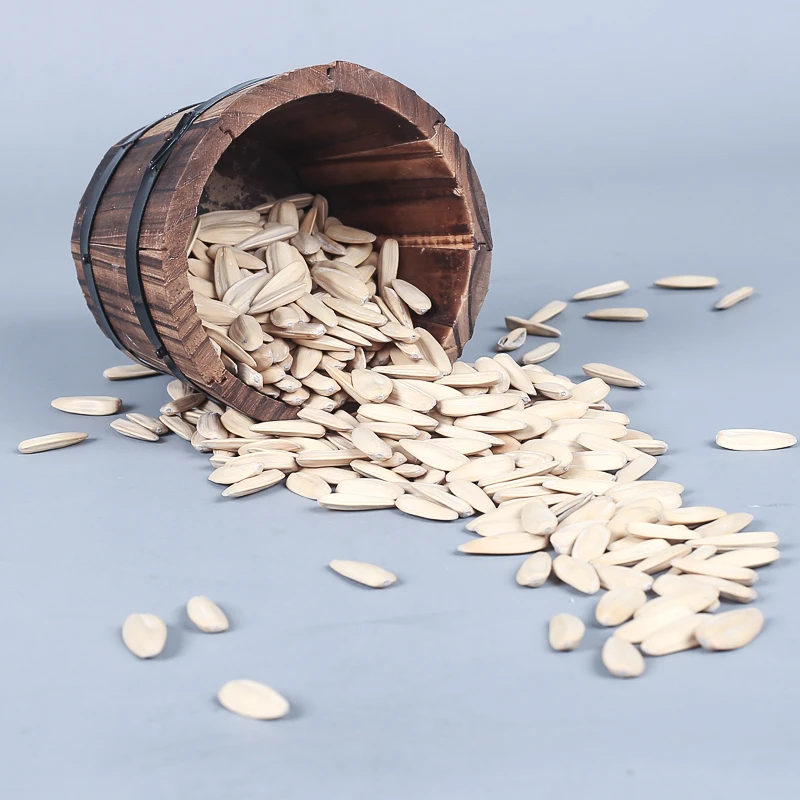
The foundational material is, of course, the sunflower seed ( Helianthus annuus). Seed quality varies dramatically based on cultivar, growing conditions (soil composition, moisture levels, sunlight exposure), and harvesting techniques. Crucially, oil content, ranging from 42-58%, dictates roasting characteristics and final product flavor. Raw seeds contain approximately 20-25% protein, 20-30% carbohydrates (mostly cellulose and hemicellulose in the hull), and 10-15% moisture. Manufacturing begins with cleaning and dehulling. Dehulling efficiency impacts the final product’s appeal – excessive hull fragments contribute to undesirable texture. Roasting, the core process, involves convective heat transfer. Roasting parameters (temperature – typically 120-180°C, time – 20-60 minutes, and airflow) directly influence seed color, texture, and volatile compound development responsible for flavor. Maillard reaction kinetics are central; controlling temperature is paramount to prevent excessive acrylamide formation, a key food safety concern. Flavoring, typically achieved through dry blending with salt, spices, and coatings, requires precise mixing to ensure uniformity. Finally, packaging utilizes materials such as multilayer films (polypropylene/polyethylene/aluminum) to provide a barrier against oxygen, moisture, and light, maintaining product freshness and extending shelf life. Parameter control during roasting is achieved through Programmable Logic Controllers (PLCs) and Supervisory Control and Data Acquisition (SCADA) systems, monitoring temperature, humidity, and airflow in real-time.
Performance & Engineering
Performance assessment centers on several key areas. Firstly, thermal efficiency of the roasting process is vital for cost optimization. Heat loss analysis identifies areas for insulation improvements and burner efficiency tuning. Secondly, mechanical reliability of the processing equipment (dehullers, roasters, conveyors, packaging machines) is critical for uninterrupted production. Finite Element Analysis (FEA) can be employed to assess stress concentrations in rotating components and optimize structural designs. Thirdly, maintaining consistent product quality necessitates stringent process control. Statistical Process Control (SPC) charts monitor key parameters like moisture content, oil content, and flavor intensity, identifying deviations from target values. Furthermore, environmental resistance is crucial. The facility must comply with dust explosion prevention standards (NFPA 68), particularly in areas handling combustible sunflower seed dust. Air filtration systems must prevent dust accumulation and ensure safe operating conditions. Compliance requirements include adherence to food safety regulations (HACCP, GMP), and potential certifications like BRC or FSSC 22000. The engineering design of the facility also addresses ergonomic considerations to minimize operator fatigue and enhance workplace safety.
Technical Specifications
| Parameter | Unit | Typical Range | Testing Method |
|---|---|---|---|
| Seed Moisture Content (Input) | % | 10-14 | Oven Drying (AOAC) |
| Roasting Temperature | °C | 140-170 | Thermocouple Measurement |
| Roasting Time | Minutes | 30-50 | Process Control Monitoring |
| Seed Oil Content (Output) | % | 45-55 | Soxhlet Extraction (AOCS) |
| Acrylamide Level | µg/kg | <100 | GC-MS (Gas Chromatography-Mass Spectrometry) |
| Packaging Film Oxygen Transmission Rate (OTR) | cc/m²/day | < 10 | ASTM D3985 |
Failure Mode & Maintenance
Failure modes in a roasted sunflower seed facility are diverse. Roaster malfunction, including burner failure, temperature control inaccuracies, and drum wear, can lead to inconsistent roasting and product defects. Conveyor belt failures (belt tearing, roller bearing seizure) disrupt material flow and halt production. Packaging machine malfunctions (sealer errors, film jamming) result in damaged packaging and product spoilage. From a seed perspective, rancidity develops due to lipid oxidation, particularly in poorly sealed packaging or prolonged storage. This manifests as off-flavors and reduced shelf life. Dust explosions pose a significant safety hazard; preventative maintenance on dust collection systems and adherence to NFPA 68 are critical. Maintenance strategies must incorporate preventative maintenance schedules for all critical equipment, including lubrication, bearing replacements, and burner inspections. Thermographic inspections can identify overheating components before catastrophic failure. Regular cleaning and sanitation are essential to prevent microbial contamination and maintain hygienic conditions. Root cause analysis (RCA) should be employed to investigate failures and implement corrective actions to prevent recurrence.
Industry FAQ
Q: What are the primary factors contributing to acrylamide formation during sunflower seed roasting?
A: Acrylamide formation is primarily driven by the Maillard reaction between reducing sugars (like glucose and fructose, naturally present in seeds) and the amino acid asparagine at elevated temperatures (typically above 140°C). Seed moisture content plays a crucial role – lower moisture content generally leads to higher acrylamide levels. Roasting time and temperature are directly correlated; longer roasting times and higher temperatures increase acrylamide formation. Controlling these parameters through precise process control is paramount.
Q: How can we minimize dust explosion risks in a sunflower seed processing facility?
A: A multi-faceted approach is necessary. Firstly, effective dust collection systems (HEPA filters, cyclones) are essential to prevent dust accumulation. Secondly, grounding and bonding of all equipment prevents static electricity buildup. Thirdly, using explosion-proof electrical components minimizes ignition sources. Fourthly, regular housekeeping and cleaning are crucial. Finally, implementing a comprehensive dust hazard analysis (DHA) as mandated by NFPA 68 is vital to identify and mitigate risks.
Q: What are the critical parameters for maintaining optimal packaging film integrity?
A: Oxygen Transmission Rate (OTR) and Water Vapor Transmission Rate (WVTR) are the most critical parameters. The film must provide a sufficient barrier to prevent oxidation and moisture absorption, extending shelf life. Seal integrity is also paramount; compromised seals allow oxygen ingress and lead to spoilage. Regular testing of OTR, WVTR, and seal strength is essential. Film thickness and material composition (e.g., polypropylene, polyethylene, aluminum) influence barrier properties.
Q: What are the challenges associated with maintaining consistent flavor profiles across production batches?
A: Flavor consistency is a significant challenge due to variability in raw seed characteristics (oil content, protein content) and slight fluctuations in roasting parameters. Precise control of roasting temperature, time, and airflow is crucial. Accurate flavoring addition using automated dispensing systems ensures uniform flavor distribution. Regular sensory evaluation (taste testing) and chemical analysis (volatile compound profiling) are necessary to monitor flavor consistency.
Q: How do we validate the cleaning and sanitation procedures to ensure food safety standards?
A: Validation involves demonstrating that the cleaning and sanitation procedures effectively remove food allergens, pathogens, and other contaminants. This typically involves swab testing to verify the absence of detectable residues after cleaning. Adenosine Triphosphate (ATP) bioluminescence assays can provide a rapid indication of surface cleanliness. Regular microbial testing of equipment surfaces and finished products confirms the effectiveness of the sanitation program. Documentation of cleaning procedures and test results is essential for regulatory compliance.
Conclusion
The successful operation of a roasted sunflower seed factory hinges on a deep understanding of material science, precise process control, and rigorous adherence to food safety standards. Optimizing roasting parameters to balance flavor development and acrylamide mitigation is a continuous challenge. Effective maintenance programs and proactive failure mode analysis are crucial for maximizing uptime and minimizing production losses. The industry is moving toward increased automation, real-time data analytics, and sustainable sourcing practices to meet evolving consumer demands and regulatory requirements.
Looking ahead, integration of advanced sensor technologies and machine learning algorithms will enable even more precise process control and predictive maintenance. Traceability systems, leveraging blockchain technology, will enhance supply chain transparency and build consumer trust. Furthermore, research into novel seed varieties with improved roasting characteristics and reduced acrylamide precursors will contribute to the ongoing evolution of this dynamic industry.
